WATER DAMAGE RESTORATION NYC
Wet Carpet Water Extraction and Restoration in Brooklyn
Water Damage Restoration NYC provides wet carpet cleanup in Brooklyn for soaked carpet, padding and moisture underneath. We extract water, identify whether the carpet can be saved, inspect the supporting floor and verify drying before reinstallation or replacement, with an estimated 1–2 hour arrival.
Wet Carpet Response
1–2 Hour Estimated Arrival
Carpet, Pad and Floor Inspection
Salvage Decision Before Removal
Drying Verified Before Handoff
Warning Signs in Carpets
A carpet can stop looking flooded while moisture remains in the backing, pad or floor below.
Arrange an inspection when you notice:
- Standing water over carpet
- Carpet that feels wet or cool underfoot
- Water surfacing when pressure is applied
- Dampness returning after vacuuming
- Darkened areas or water lines
- Loose or rippled carpet
- Carpet separating at seams
- Wet baseboards around the room
- A musty or persistent damp odor
- Padding that remains saturated
- Water reaching adjoining carpeted rooms
- Moisture appearing around thresholds
- Ceiling staining in a room or unit below
- Hardwood boards cupping or crowning
- Floorboards lifting at the edges
- Laminate swelling at joints
- Vinyl bubbling or releasing
- Carpet remaining damp after surface extraction
- Soft or uneven areas underfoot
- Darkened seams between floorboards
- Loose tiles or changes around grout joints
- Swollen thresholds or baseboards
- Water appearing between flooring joints
- A musty odor close to the floor
- Moisture returning after the floor was previously dried
- Ceiling staining in the room or apartment below
The key question is not only whether the carpet face has dried. Water can penetrate through the carpet into the cushion and supporting floor, where it is harder to see and can take longer to remove. EPA guidance specifically identifies moisture beneath carpet as a concern because water trapped in the pad or underlying surface can be difficult to dry.
How We Inspect the Full Moisture Footprint
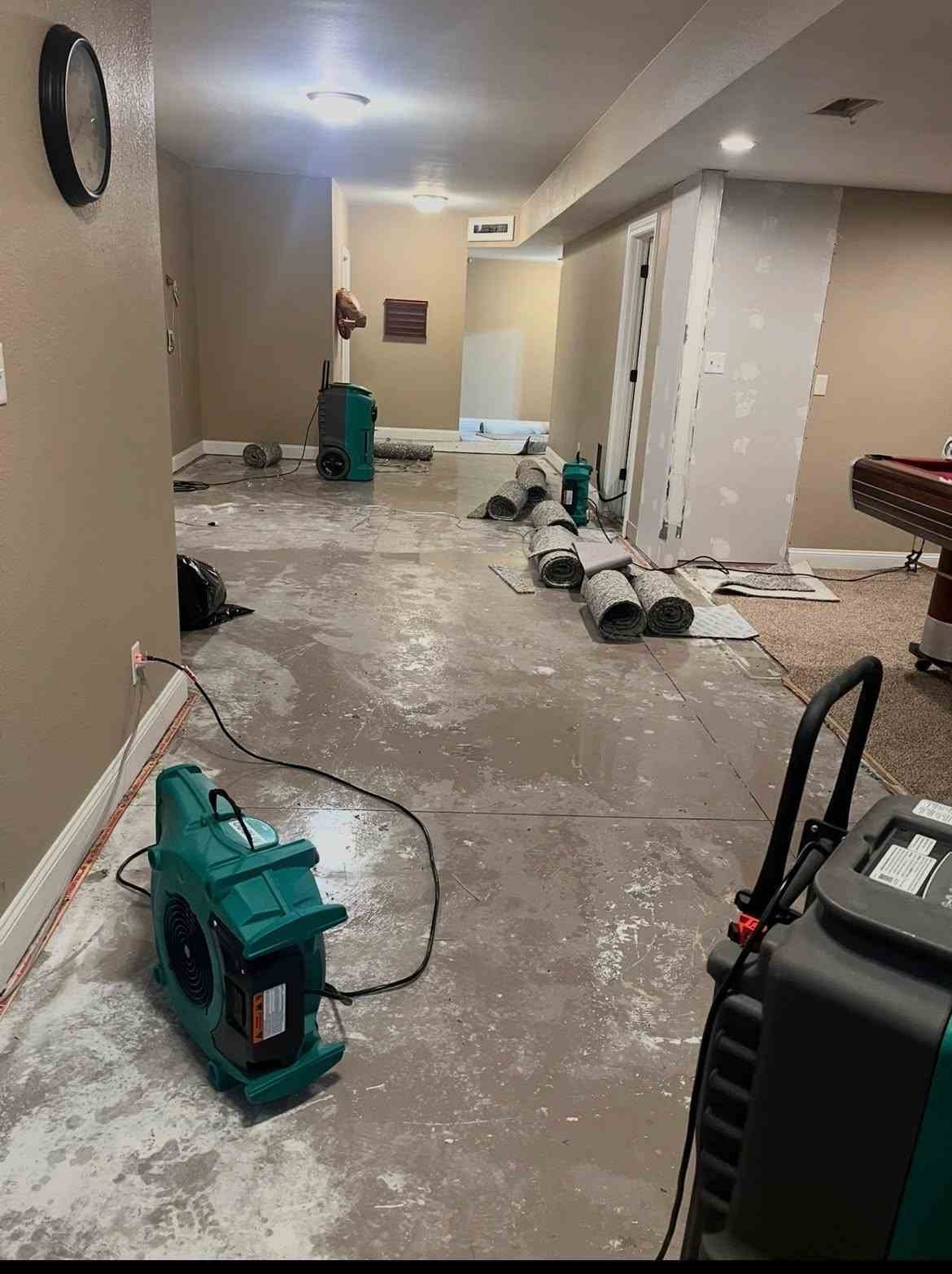
Water Damage Restoration NYC evaluates the entire carpet assembly rather than treating the visible wet patch as the restoration boundary.
- Hardwood or engineered wood
- Laminate
- Vinyl or resilient flooring
- Tile
- Carpet
- Carpet padding
- Underlayment
- Plywood or OSB subfloor
- Wood framing or joists beneath the subfloor
- Concrete slab in below-grade or ground-level spaces
That can include:
- Carpet fibers
- Primary and secondary backing
- Carpet seams
- Padding or cushion
- Tack strips
- Thresholds
- Baseboards
- Underlayment
- Plywood or OSB subfloor
- Concrete slab
- Adjacent wall bases
- Connected carpeted rooms
We first identify the water source because that directly affects whether carpet and pad should be retained.
A recent clean supply-line release is different from washing-machine discharge, groundwater, toilet contamination, sewage or surface floodwater. Water-damage classifications distinguish these sources according to contamination, and conditions can worsen with time and environmental exposure.
The inspection then follows water beyond the surface boundary. Carpet and padding are porous materials with a significant evaporation load when saturated, so removing visible water does not automatically complete the drying process.
Can the Carpets Be Saved?
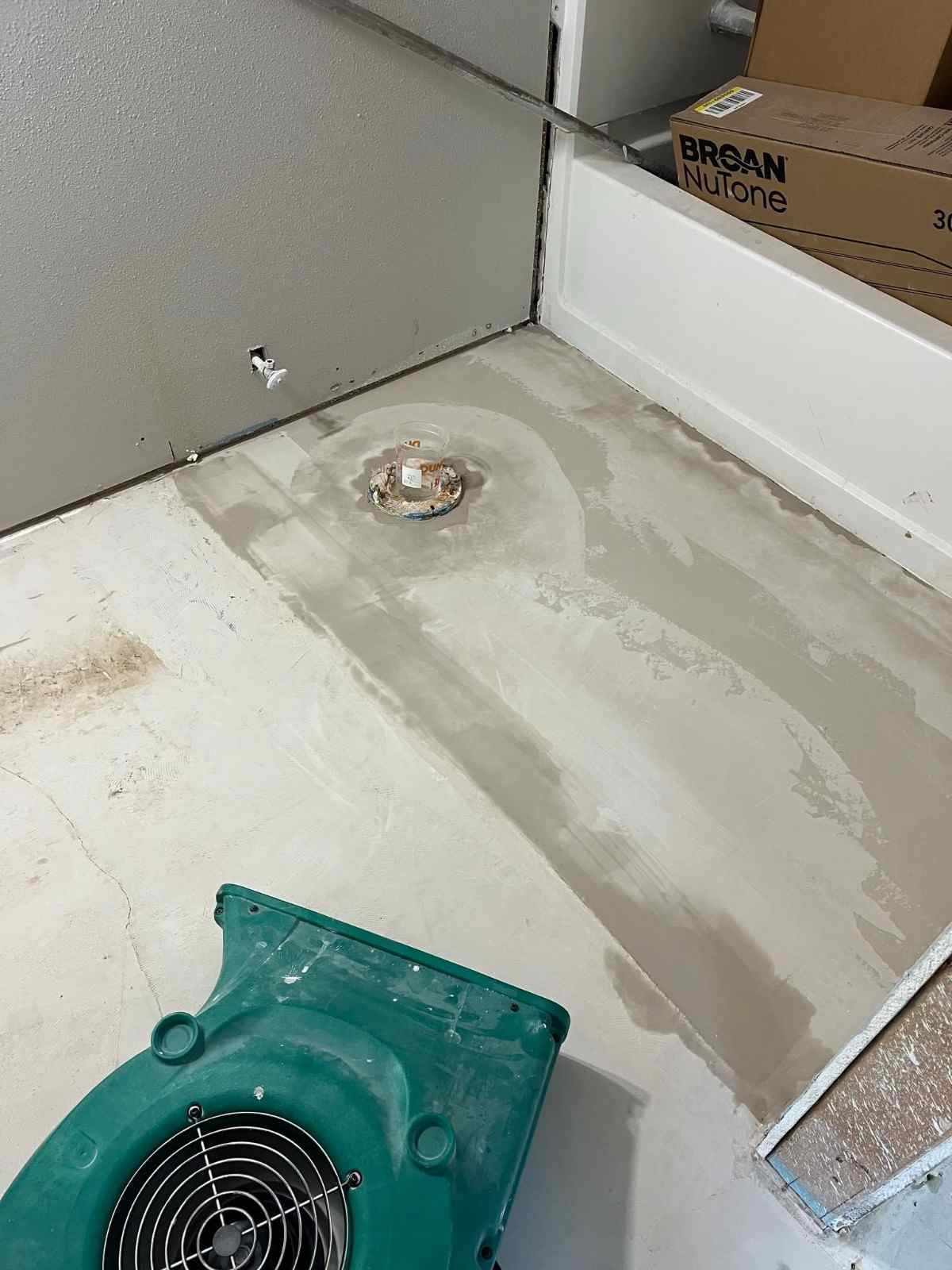
Some wet carpet can be retained, but the decision depends on the source of the water, how long the assembly remained wet, carpet condition, pad condition and whether the floor underneath can be dried.
Dry-in-Place Conditions
Carpet may be considered for retention when:
- The water source has been controlled
- The water condition is suitable for salvage
- The carpet remains physically intact
- Backing and seams have not failed
- Delamination is not present
- Required cleaning can be completed
- Moisture can be removed from the carpet and supporting layers
- The subfloor or slab can also be dried
- Moisture readings show drying progress
Extraction alone is not the same as complete drying.
EPA guidance describes water extraction as one part of the process and notes that wet carpet and backing need to be dried, with the padding and floor underneath also addressed.
Removal Conditions
Carpet or pad removal becomes more likely when:
- The padding remains heavily saturated
- Water is trapped underneath the carpet
- Carpet backing has separated or deteriorated
- Seams have failed
- The material cannot be adequately cleaned
- The water source creates an unacceptable contamination condition
- The carpet prevents the subfloor from drying
- Repeated wetting has damaged the material
- Odor remains because moisture or contamination is retained
- The carpet has developed mold growth
Removal decisions can differ between layers.
The carpet itself may remain physically usable while the pad underneath requires removal. In another loss, both layers may need to come out so the floor below can be cleaned and dried.
Contamination Conditions
The water source is one of the most important salvage tests.
Water from a clean supply line has a different starting condition from dishwasher or washing-machine discharge, groundwater, sewage or surface flooding. Water-damage classifications place increasingly contaminated sources into different categories because exposure risk and cleaning requirements change with the source.
Porous carpet materials exposed to significant contamination have a more restrictive salvage decision.
EPA also notes that porous materials such as carpet may need disposal when mold contamination cannot be adequately removed from the material.
Drying and Restoration Method for Carpets
1. Stop the Water Source
The pipe, appliance, fixture, roof, sump system or other cause must first be controlled by the appropriate trade.
Water Damage Restoration NYC focuses on the carpet and building materials already affected by the loss.
2. Extract Accessible Water
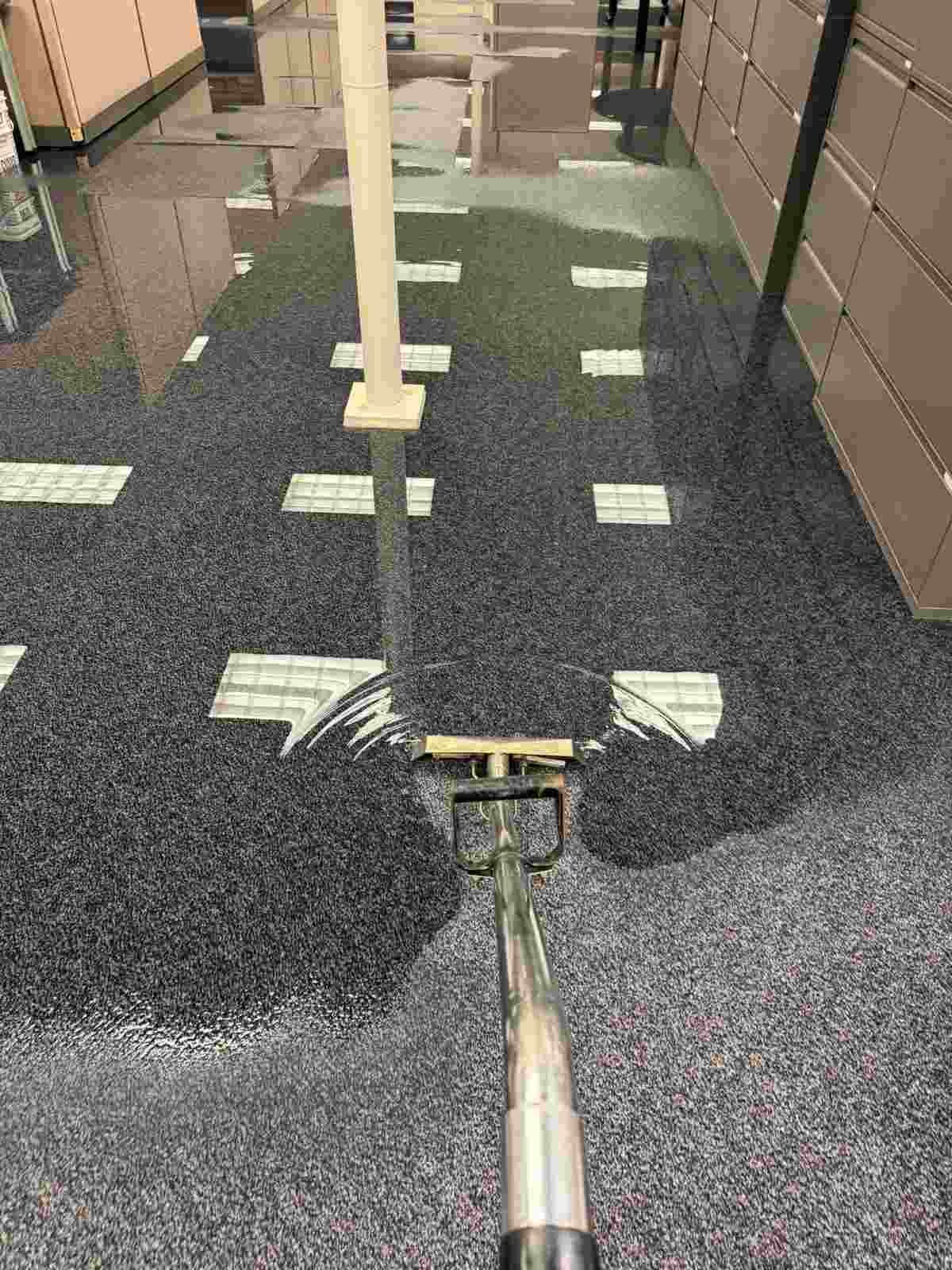
Water is removed from the carpet to reduce saturation and prevent continued spread.
Extraction can also help define areas where the carpet retains substantially more water than the surrounding material.
3. Check the Carpet Pad
The cushion beneath the carpet is a separate layer and requires a separate decision.
We evaluate whether it is:
- Wet
- Heavily saturated
- Contaminated
- Physically deteriorated
- Preventing the floor below from drying
Surface extraction cannot establish the condition of the pad by itself.
4. Inspect the Floor Underneath
The supporting surface matters just as much as the carpet.
Depending on the property, this may be:
- Plywood
- OSB
- Hardwood
- Concrete
- Another floor assembly
EPA guidance specifically states that where underlying flooring is wet, it also needs to be dried rather than leaving moisture concealed beneath the finish.
5. Remove Only the Layers That Cannot Remain
When padding, contaminated carpet or damaged material prevents effective restoration, selective removal creates access to the wet assembly.
The decision is based on condition, not an assumption that every wet carpet must automatically be discarded.
6. Dry the Carpet and Structure
When carpet is retained, drying needs to address the carpet, backing and supporting material.
Airflow and dehumidification are used according to the moisture load and material condition. EPA identifies extraction, airflow and dehumidification as important components of drying wet carpet and backing.
7. Verify Before Reinstallation or Repair
The room is not considered ready simply because the carpet face feels dry.
The supporting floor and retained materials need to reach the established drying condition before carpet is reinstalled, stretched, repaired or replaced.
When Repair or Replacement Is Required
The carpet, pad and floor below do not always receive the same decision.
Clean-water exposure with intact carpet
Extract, inspect layers and evaluate for drying
Wet carpet with salvageable backing
Dry and monitor
Saturated pad beneath salvageable carpet
Pad may require separate removal or drying decision
Failed carpet backing
Replacement becomes more likely
Separated seams
Repair or replacement depending on damage
Contaminated carpet
Salvage threshold becomes more restrictive
Mold growth in porous carpet
Removal may be required
Wet plywood or OSB underneath
Expose as needed and dry before covering
Wet concrete slab
Dry supporting surface before carpet returns
Persistent odor after drying
Recheck for moisture, contamination or damaged material
The carpet, pad and floor below do not always receive the same decision.
That distinction is what prevents a simple carpet-cleaning approach from leaving water inside the floor assembly.
A Brooklyn Carpets Project
A Brooklyn wet-carpet project begins by identifying how the water reached the carpet and what lies underneath it.
For example, water from an appliance may spread across a carpeted room and continue beneath a doorway before the visible wet edge stops. The carpet is extracted first, but the inspection continues into the pad, thresholds, wall edges and supporting floor.
If the water condition permits salvage and the carpet remains intact, the carpet may be retained while the assembly is dried. If the cushion is saturated or the floor underneath requires access, those layers are handled separately.
If the source involves contaminated floodwater or sewage, the retention threshold changes because the carpet and pad are porous and can hold contaminants within their structure.
Brooklyn/Kings County had 1,141,824 housing units in 2025, while the owner-occupied housing rate was 29.5% during 2020–2024. That housing pattern makes coordination with tenants, landlords, superintendents and property managers relevant when wet carpet is inside rentals, multifamily properties or units where water may have traveled between floors.
Water Damage Restoration NYC moves the area to repair or reinstallation only after the retained carpet assembly and supporting materials meet the established drying condition.
Causes That Commonly Damage This Area
Several water sources can saturate carpet, padding and the supporting floor.
Appliance leaks
Appliance leaks can soak carpet near washing machines, dishwashers, refrigerators or adjoining rooms.
Burst and leaking pipes
Burst and leaking pipes can saturate carpet quickly and push water into the pad and subfloor.
Sink or bathtub overflows
Sink or bathtub overflows can cross thresholds into bedrooms, hallways or living areas.
Upstairs apartment leaks
Upstairs apartment leaks may wet carpet in the source unit or enter a carpeted room from the ceiling and walls.
Basement flooding and sump-pump failure
Basement flooding and sump-pump failure can saturate carpet from both the surface and the supporting floor.
Groundwater and stormwater
Groundwater and stormwater create different contamination concerns from a recent internal supply-line leak.
Sewage backups
Sewage backups significantly change the salvage decision for porous carpet and padding.
What the Service Includes and Does Not Include
Wet Carpet Restoration Can Include
- ✓ Carpet water extraction
- ✓ Carpet and backing assessment
- ✓ Pad inspection
- ✓ Moisture inspection beneath carpet
- ✓ Subfloor or slab moisture checks
- ✓ Salvage-versus-removal decision
- ✓ Selective carpet or pad removal
- ✓ Drying of retained materials
- ✓ Moisture monitoring and documentation
- ✓ Repair or reinstallation handoff
Not Automatically Included
- × Plumbing-source repair
- × Appliance repair
- × Sump-pump repair
- × Permanent waterproofing
- × Electrical repair or clearance
- × Unrelated mold remediation
- × Whole-property reconstruction
- × New carpet purchase
- × Insurance coverage decisions
- × Work outside the confirmed wet area
Final scope depends on the water source, contamination, carpet construction, padding, supporting floor, physical damage and moisture conditions.
Why Choose Water Damage Restoration NYC?
We Inspect Beneath the Carpet
A dry carpet face does not prove that the pad, plywood or concrete underneath is dry. Our assessment follows moisture through each layer.
We Decide Whether Carpet and Pad Can Stay Separately
The carpet and cushion are not treated as one material. Each layer is evaluated for water exposure, contamination, damage and drying potential.
We Base Removal on the Water Source and Material Condition
Clean-water exposure, wastewater, groundwater and sewage can create very different salvage decisions for porous flooring.
Drying Ends With Verification
Water Damage Restoration NYC provides water damage services across NYC, while this service is specifically focused on wet carpet cleanup in Brooklyn apartments, houses, multifamily properties and commercial spaces.
Our estimated Brooklyn arrival is 1–2 hours, subject to traffic, weather, parking, building access and current service demand.
Frequently Asked Questions
Yes, some wet carpet can be retained when the water source permits salvage, the carpet remains physically sound and the carpet, pad and floor underneath can be effectively dried. Contamination or material deterioration can make replacement more appropriate.
We inspect the carpet, padding and supporting floor rather than relying on the carpet surface alone. Moisture can remain in padding, plywood, OSB or concrete after the exposed carpet feels dry.
Removal becomes more likely when the carpet is contaminated, physically damaged, mold-affected or preventing the supporting layers from drying. Padding may require a different decision from the carpet itself.
There is no single drying time for every carpet loss. Water source, saturation, pad thickness, carpet construction, subfloor material, room conditions and the amount of water absorbed all affect drying time.
Work after drying may include new padding, carpet reinstallation, seam or stretch correction, replacement of damaged carpet sections or repairs to the floor underneath. The next step depends on what remains salvageable after drying.
Call for Wet Carpet Cleanup in Brooklyn
A carpet can feel dry while moisture remains in the padding or floor underneath. Cleaning only the visible fibers can leave part of the water-loss assembly unresolved.
Our estimated arrival is 1–2 hours. We will identify the complete wet area, extract accessible water, determine whether the carpet and pad can remain and verify the supporting floor before the area moves to repair or reinstallation.