Water Damage Restoration NYC
Sewage Backup Cleanup in Brooklyn
Water Damage Restoration NYC provides emergency sewage cleanup in Brooklyn for sewer backups, toilet overflows, and contaminated water. We isolate the affected area, remove sewage and damaged materials, disinfect cleanable surfaces, and set clear occupancy conditions, with an estimated 1–2 hour arrival.
- +19172034372
- 1 to 2 Hours Arrival Time
Emergency Service Commitments
1–2 Hour Estimated Arrival
Brooklyn-Focused Response
Containment-First Cleanup
Documented Re-entry Conditions
Keep People and Pets Out of the Affected Area
Do not walk through sewage water, attempt to move saturated belongings, or use household fans in the affected room.
Sewage may contain germs and other contaminants capable of causing illness through contact with the eyes, skin, mouth, or digestive system. NYC guidance advises keeping children, pets, and people with compromised immune systems away from contaminated areas until cleanup is complete.
Food, medicine, cosmetics, and personal-care items exposed to sewage should not be used.
Property owners can also report sewer backups to NYC311. If the problem is traced to a private sewer service line, the property owner is responsible for arranging the repair through a licensed master plumber.
Cleanup and sewer-line repair are separate scopes.
Until Water Damage Restoration NYC Arrives:
- Keep the affected room closed where possible.
- Stop using toilets, sinks, washing machines, and dishwashers connected to the backed-up line.
- Avoid operating electrical equipment near standing water.
- Do not mix bleach with ammonia or other cleaning products.
- Photograph visible conditions only from a safe, uncontaminated position.
- Call 911 when rising water, electricity, structural movement, or another condition creates immediate danger.
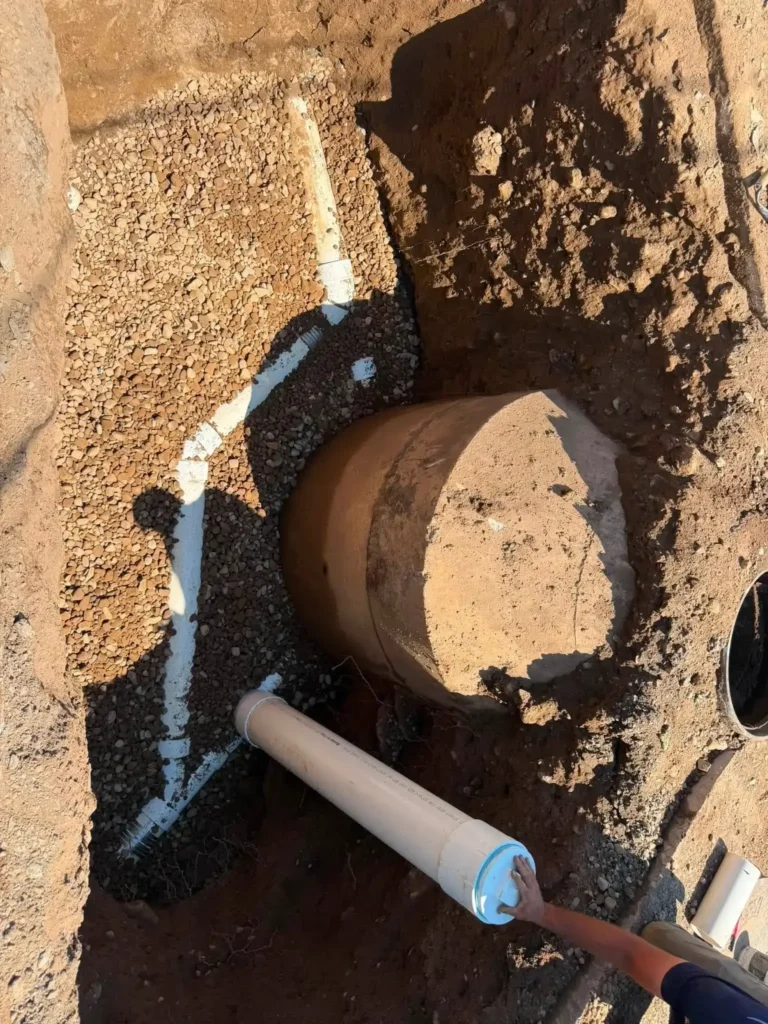
How Sewage Contamination Is Contained
Containment prevents sewage, contaminated debris, tools, and foot traffic from carrying the problem into unaffected rooms.
We first identify the apparent source, affected boundaries, water depth, contaminated materials, occupied areas, and available access route. The initial work zone may include the visible backup plus adjoining floor edges, wall bases, utility penetrations, or lower areas where contaminated water could have traveled.
The Containment Plan Can Include:
- Restricting entry to the work area
- Establishing clean and contaminated work zones
- Protecting stairs, halls, elevators, and shared entrances
- Installing temporary barriers where needed
- Creating a controlled route for removing waste
- Separating reusable tools from contaminated equipment
- Bagging or containing removed porous materials
- Preventing contaminated water from entering unaffected drains or rooms
Protective Equipment and Hygiene
Technicians handling sewage use personal protective equipment selected for the exposure and splash risk. Appropriate PPE may include waterproof gloves, rubber boots, eye protection, face protection, and liquid-resistant clothing. Workers must also remove contaminated PPE correctly and wash immediately after handling human waste.
Brooklyn Apartments and Multifamily Buildings
Containment is especially important in Brooklyn apartments and multifamily buildings. A backup inside one bathroom, basement, or ground-floor unit can affect shared hallways, stacked plumbing lines, common utility rooms, or the apartment below. We confirm access and authorization with the responsible tenant, owner, superintendent, or property manager before expanding the work area.
Removal, Disposal and Disinfection
Sewage cleanup follows a specific order. We remove contaminated water and physical residue before applying a disinfectant.
Disinfectant should not be used as a substitute for extraction, debris removal, or cleaning. CDC guidance distinguishes these steps: cleaning removes dirt, impurities, and many germs; disinfection is performed afterward to address germs remaining on a cleaned surface.
1
Contaminated-Water Removal
Standing sewage, solids, and accessible liquid are extracted using methods appropriate to the water depth, debris load, floor surface, and property access. Large solids and damaged materials are separated so they do not block extraction or spread contamination.
2
Gross Contamination Removal
Mud, toilet waste, drain residue, paper products, and loose debris are removed before detailed cleaning begins. Floor edges, grout lines, fixture bases, wall-floor joints, and other collection points receive particular attention.
3
Material Decisions
Each affected item is classified as cleanable, conditionally salvageable, or unsuitable for restoration. The decision considers porosity, depth of exposure, physical deterioration, accessibility, and whether all contaminated surfaces can be cleaned and dried.
4
Surface Cleaning
Salvageable hard surfaces are cleaned to remove visible soil and residue. Product selection depends on the surface, contamination, and manufacturer requirements.
5
Disinfection
An appropriate disinfectant is applied to compatible, previously cleaned surfaces according to its label, dilution instructions, and required contact time. More chemical is not automatically more effective; correct preparation and surface contact are what matter.
6
Waste Control
Approved unsalvageable materials are contained and removed through the planned access route. Water Damage Restoration NYC documents what was discarded and what was retained whenever authorization can be obtained before disposal.
Materials That Usually Cannot Be Saved
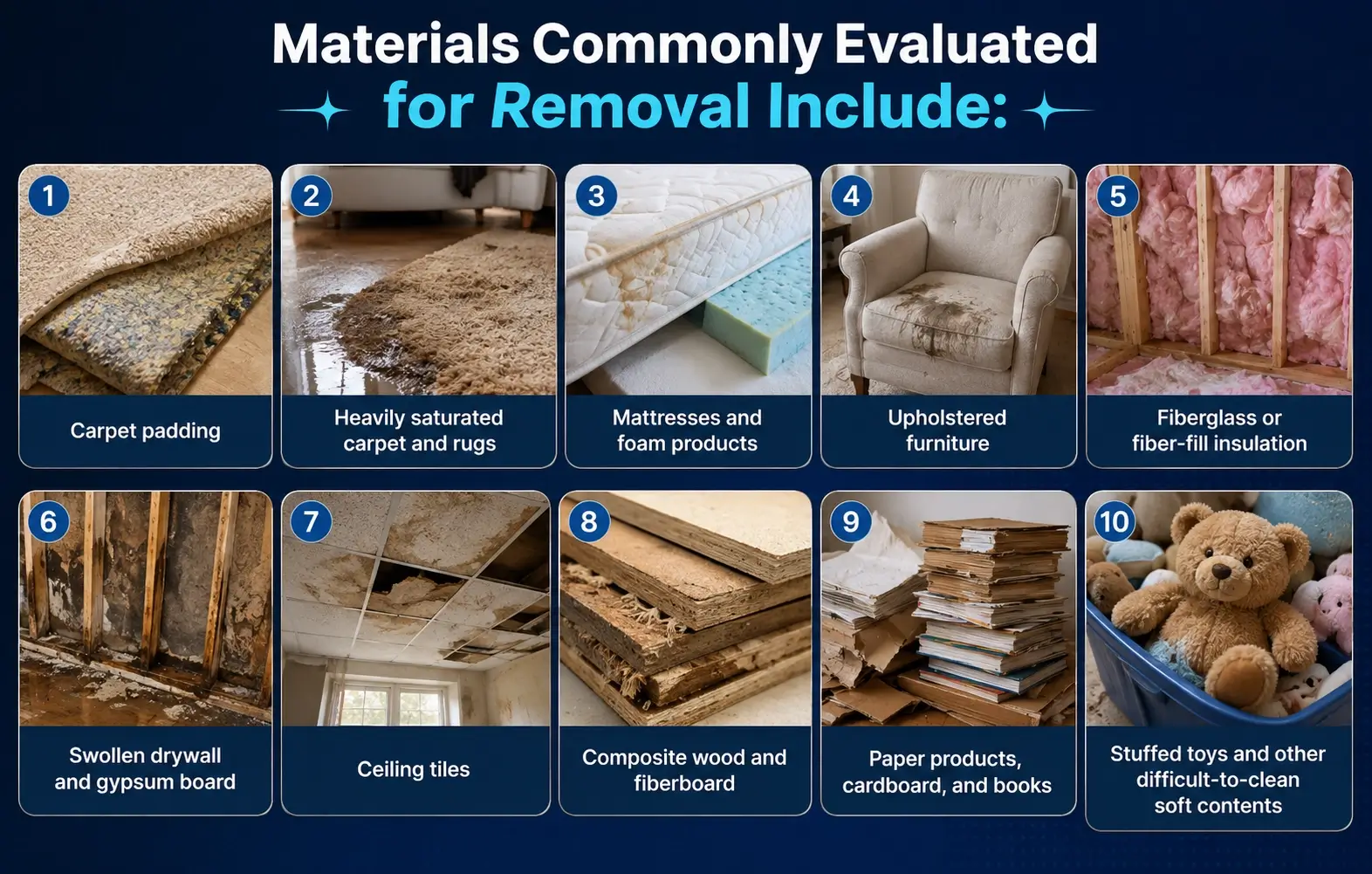
Materials Commonly Evaluated for Removal Include:
- Carpet padding
- Heavily saturated carpet and rugs
- Mattresses and foam products
- Upholstered furniture
- Fiberglass or fiber-fill insulation
- Swollen drywall and gypsum board
- Ceiling tiles
- Composite wood and fiberboard
- Paper products, cardboard, and books
- Stuffed toys and other difficult-to-clean soft contents
Absorbent materials exposed to sewage often cannot be made suitable for continued use because contamination can move below the visible surface.
NYC cleanup guidance recommends discarding sewage-exposed items that cannot be thoroughly cleaned, disinfected, and dried. It specifically identifies materials such as padding, mattresses, upholstered furniture, foam products, wall coverings, and many paper goods as difficult or impractical to restore after significant contamination.
Hard surfaces such as sealed tile, metal, glass, certain plastics, concrete, and intact plumbing fixtures may often be cleaned and disinfected, provided their condition and surface finish permit effective treatment.
Removal is not based on odor alone. We consider the contamination path, material construction, exposure level, accessibility, and whether the material can be treated through its full affected depth.
Odor Control and Occupancy Conditions
Odor Control Begins By:
Sewage odor is evidence of an unresolved source, contaminated residue, wet absorbent material, or moisture held inside the assembly. Fragrance does not correct those conditions.
- Stopping or isolating the backup source.
- Removing contaminated water and solids.
- Discarding unsalvageable porous materials.
- Cleaning and disinfecting retained surfaces.
- Drying the affected structure and contents.
- Checking concealed areas when odor or moisture remains.
Occupancy Conditions
Water Damage Restoration NYC does not describe a room as ready for normal use simply because the visible sewage is gone.
Occupancy restrictions remain in place until the approved cleanup scope confirms that contaminated water and debris have been removed, cleanable surfaces have been treated, retained materials are drying properly, the source is no longer discharging sewage, and no unresolved access or safety condition remains.
Structural drying may continue after the sewage-cleanup stage. When moisture remains inside flooring, wall cavities, framing, plaster, or masonry, the project moves to a separate structural drying and dehumidification scope.
Brooklyn Sewage Cleanup Project
A Brooklyn sewage cleanup project is managed against documented control points rather than a generic promise to “sanitize everything.”
1
Initial Condition
We record the apparent source, rooms affected, water depth, visible solids, exposed materials, occupied areas, and immediate safety restrictions.
2
Contamination Boundary
The work area is mapped from the visible backup to adjoining materials that may have absorbed or carried contaminated water.
3
Removal Record
The project file identifies extracted water, removed debris, discarded porous materials, and contents retained for cleaning.
4
Cleaning and Drying Handoff
Cleaned surfaces, disinfected areas, remaining moisture, and materials transferred to drying are recorded separately.
5
Completion Condition
The sewage-cleanup phase reaches its defined endpoint when:
- The active discharge has stopped or been isolated.
- Contaminated water and physical residue have been removed.
- Unsalvageable materials included in the scope have been taken out.
- Retained surfaces have been cleaned before disinfection.
- The affected zone has been checked for remaining contamination.
- Drying, plumbing, environmental testing, and repair needs are clearly identified.
- The responsible property decision-maker understands the re-entry conditions.
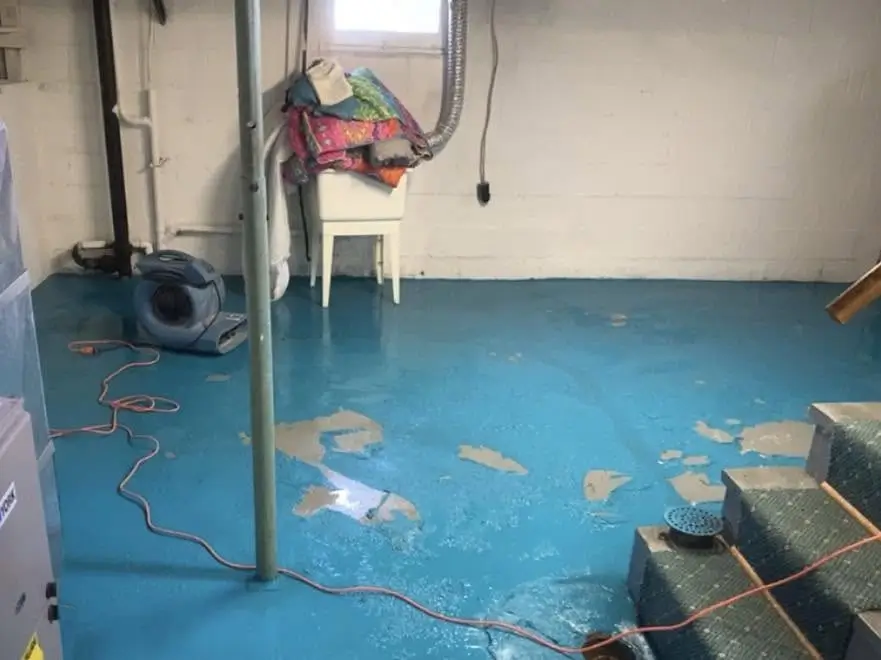
Brooklyn’s housing profile makes this documentation valuable. With more than 1.12 million housing units and a relatively low owner-occupied rate, many projects require approval and communication involving more than one party. That may include a tenant, landlord, superintendent, management company, condo board, or neighboring occupant.
What the Service Includes and Does Not Include
Sewage Cleanup Can Include
- Emergency contamination assessment
- Isolation of the affected area
- PPE and controlled work zones
- Contaminated-water extraction
- Removal of sewage solids and residue
- Approved porous-material disposal
- Cleaning of salvageable surfaces
- Disinfection of compatible surfaces
- Odor-source identification
- Moisture checks and drying handoff
- Photo and scope documentation
- Defined occupancy conditions
Not Automatically Included
- Drain clearing or permanent plumbing repair
- Repair of the private sewer service line
- Municipal sewer-system repair
- Lead or asbestos testing
- Regulated-material abatement
- Separate mold-remediation work
- Electrical or HVAC system repair
- Structural reconstruction
- Off-site contents restoration or storage
- Insurance coverage or claim approval
- Medical testing or health clearance
- Disposal of contents without authorization
The final scope depends on the backup source, contamination boundary, affected material, water depth, building access, and inspection findings.
Why Choose Water Damage Restoration NYC?
Containment Comes Before Cosmetic Cleaning
We establish the affected boundary and control movement through the property before removing debris or applying treatment.
Material Decisions Are Explained
We distinguish cleanable hard surfaces from absorbent materials that cannot be reliably restored after sewage exposure. Removal recommendations are tied to the material and contamination—not a standard demolition package.
Brooklyn Access Is Planned
Water Damage Restoration NYC serves properties throughout NYC, while this service is organized specifically for Brooklyn apartments, brownstones, multifamily properties, basements, cellars, and commercial spaces.Shared entrances, stairways, elevator restrictions, tenant access, and management authorization are included in the work plan.
Completion Has a Defined Meaning
We record what was extracted, removed, cleaned, disinfected, and transferred to drying or repair. Our estimated arrival in Brooklyn is 1–2 hours, subject to traffic, severe weather, and building access.
Frequently Asked Questions
When do I need professional sewage cleanup?
Professional cleanup is appropriate whenever sewage, toilet waste, drain water, or another contaminated source reaches floors, walls, contents, or adjoining rooms.
Keep people and pets away even when the backup appears small, particularly when porous materials or hidden spaces are affected.
What does your Brooklyn sewage service include?
The service can include isolation, contaminated-water extraction, debris removal, material assessment, surface cleaning, disinfection, odor-source control, moisture checks, and documentation.
The exact scope is confirmed after the source and contamination boundary are inspected.
How quickly can you arrive, and how long will cleanup take?
Our estimated Brooklyn arrival is 1–2 hours.
The total project time depends on the backup source, water depth, affected area, contamination spread, materials requiring removal, building access, and the amount of structural drying needed afterward.
What affects the cost of sewage cleanup?
Cost depends on the affected square footage, water and debris volume, material porosity, disposal requirements, containment, access, labor, and drying needs.
A bathroom overflow affecting tile only has a different scope from a basement backup involving drywall, insulation, stored contents, and shared building areas.
Can you document the sewage damage for insurance?
Yes. Documentation can include photographs, the apparent source, affected rooms, contaminated materials, approved removals, cleanup actions, and remaining drying or repair requirements.
Water Damage Restoration NYC documents the work performed, while the insurance carrier determines coverage, deductibles, authorization, and payment.
Call for Emergency Sewage Cleanup in Brooklyn
Do not allow contaminated water, porous materials, and sewage residue to remain inside the property.
Call Water Damage Restoration NYC at [+19172034372] for sewage backup cleanup in Brooklyn. We will confirm the current 1–2 hour estimated arrival, establish the immediate safety boundary, and explain what must be removed, cleaned, disinfected, and dried.
Emergency Service Form
Submitting the form does not guarantee an immediate response. For active water emergencies, call +19172034372.