
Flood Damage Restoration in Brooklyn
Water Damage Restoration NYC provides emergency flood damage restoration in Brooklyn for indoor flooding, stormwater, sewer backups and large water losses. We assess contamination, extract standing water, stabilize affected materials and define the repair sequence, with an estimated 1–2 hour arrival.
NYC-Wide Restoration Company
Brooklyn Flood Response
1–2 Hour Estimated Arrival
Documented Flood-to-Repair Scope
What Caused the Flood?
The flood source controls the first restoration decision. Before extraction or material removal begins, Water Damage Restoration NYC identifies how water entered the Brooklyn property, whether the source remains active and what areas may be affected beyond the visible waterline.
Indoor flooding can begin with:
- A burst or leaking supply pipe
- A failed water heater
- An overflowing sink, tub or toilet
- Washing-machine or dishwasher discharge
- A sprinkler-system release
- A sewer or drain backup
- A failed sump or drainage system
Storm-related water can enter through street-level doors, below-grade windows, exterior stairwells, foundation openings, roof failures and overwhelmed drainage systems. Sewer backups and outdoor floodwater create a different contamination profile from water released by an internal supply pipe.
Source repair and flood restoration are separate responsibilities. We can isolate accessible water flow and begin loss control, but a plumber, roofer, electrician, utility provider or building professional may be required to correct the cause. We define that responsibility before the restoration scope expands.
Call +19172034372 when water is rising, moving between floors, entering a basement or cellar, reaching electrical components, or carrying sewage, sediment or debris. Do not enter standing water when electrical or structural safety is uncertain.
Floodwater Category and Safety
Floodwater is evaluated according to its source, contamination, exposure time and the materials it has contacted. Water that begins from a sanitary source can deteriorate while remaining inside a building. Sewage, groundwater and outdoor flooding should be treated as potentially contaminated until the site is assessed.
Category 1 Water
Category 1 water originates from a relatively sanitary source, such as a broken supply line. Its condition can change after passing through insulation, wall cavities, dirty flooring or contaminated building surfaces.
Category 2 Water
Category 2 water contains enough physical, chemical or biological contamination to require additional cleaning and material decisions. Appliance discharge and certain drain or overflow conditions may fall within this category.
Category 3 Water
Category 3 water is grossly contaminated and is commonly associated with sewage, surface flooding and other unsanitary sources. Access may need to be restricted, and absorbent materials often require removal rather than surface treatment.
Floodwater can conceal sharp debris, electrical hazards, sewage and damaged structural components. Brooklyn basements, cellars and below-grade apartments require particular caution because rising water can block exits. NYC Emergency Management advises residents to stay out of flooded basements and move to higher ground when lower-level flooding creates danger.
Call 911 before a restoration company when anyone is trapped or in immediate danger.
Large-Volume Extraction and Debris Removal
Large-volume extraction begins after the affected area is considered safe to enter and the active source has been controlled or accounted for.
The objective is not simply to pump as quickly as possible. It is to remove bulk water without creating another structural, electrical or contamination problem.
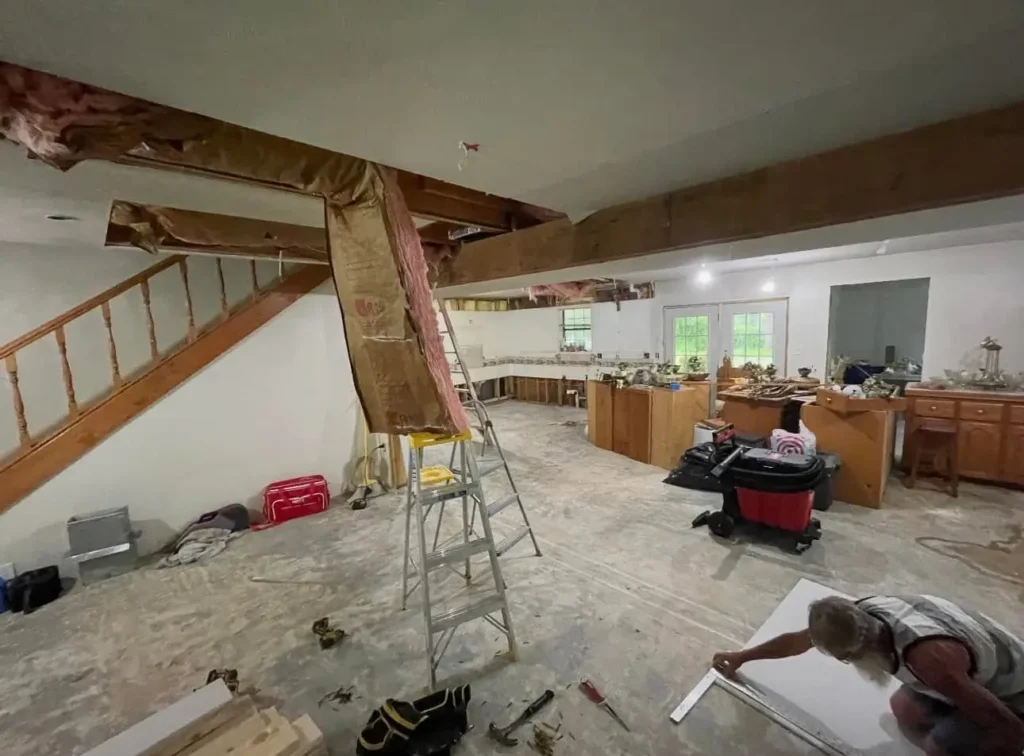
The extraction plan depends on:
- Water depth and affected square footage
- Floor level and drainage path
- Apparent floodwater category
- Debris and sediment load
- Flooring and structural materials
- Building access and occupancy
- Exterior water or groundwater conditions
Depending on the inspection, flood cleanup in Brooklyn may require pumping, surface extraction, controlled drainage or repeated extraction across flooring and low points.
A flooded basement or cellar should not always be emptied at the fastest possible rate. When exterior water remains against foundation walls, rapid interior pumping can create unequal pressure and increase the risk of structural damage. NYC building-safety guidance recommends draining flooded lower levels cautiously so pressure can equalize across building walls.
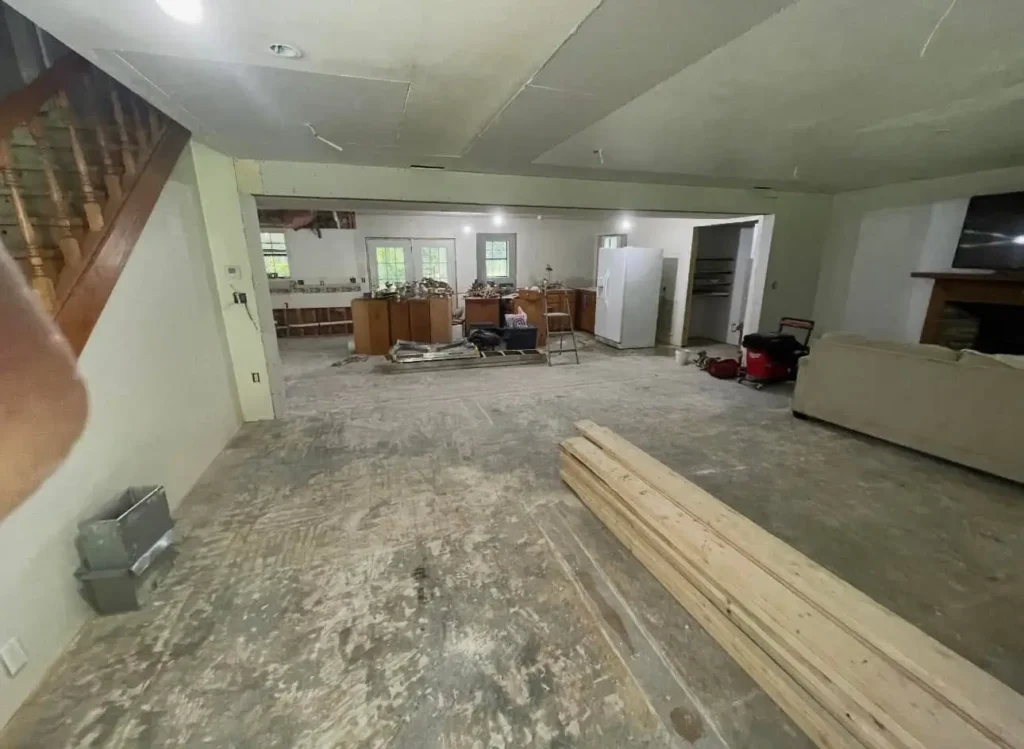
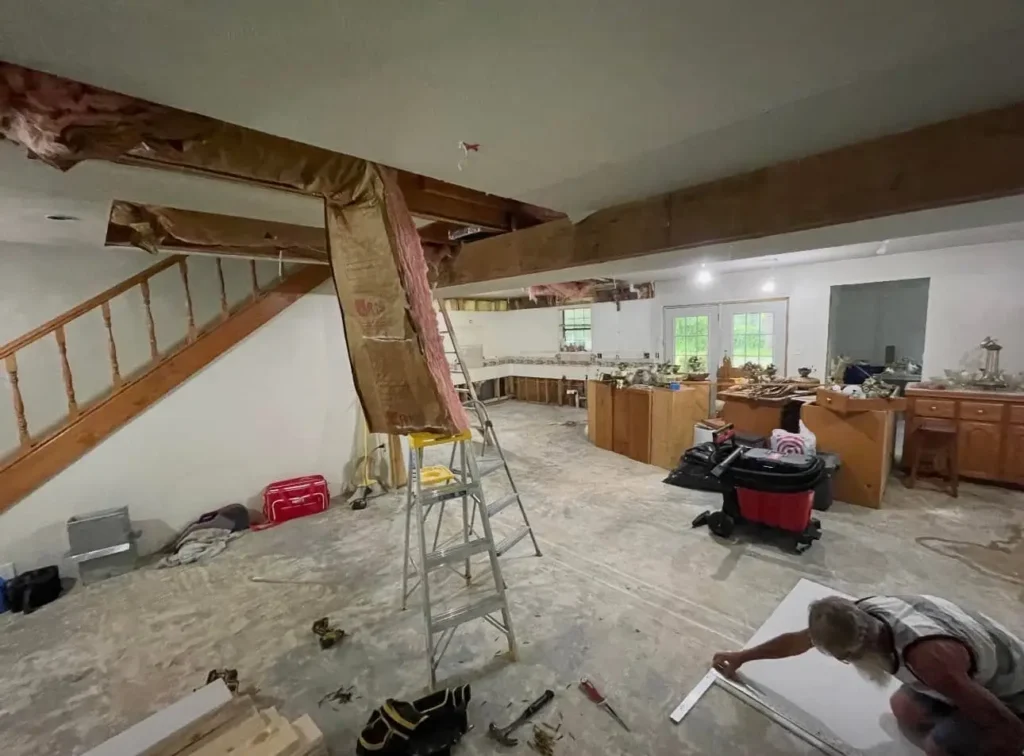
Mud, silt, damaged finishes, wet insulation, carpet padding, drywall and unsalvageable contents are separated from materials that may still be restored. Removal routes are planned to protect unaffected rooms, stairs, elevators, hallways and common areas.
We document the initial water level, affected rooms, removed material and remaining structural exposure. The absence of standing water is a milestone—not the completion of flood restoration.
Structural Drying After Flooding
Floodwater can enter subfloors, wall cavities, plaster, insulation, wood framing, masonry, cabinet bases and spaces beneath finished flooring.
Water Damage Restoration NYC develops the drying scope from moisture inspection rather than room size alone. Depending on the property, the plan may include:
- Moisture mapping
- Selective access to concealed assemblies
- Air movement
- Dehumidification
- Temperature management
- Progress moisture readings
Equipment requirements depend on the affected materials, moisture load, room configuration and whether the property remains occupied.
Brooklyn buildings often contain layered or dense assemblies such as plaster walls, hardwood flooring, concrete, masonry and older wood framing. A surface that feels dry does not confirm that the entire assembly is ready for repair.
The drying phase continues until affected materials reach the project’s defined target or are designated for replacement. The handoff record identifies what was dried, what was removed, what remains affected and what is ready for reconstruction.
This reduces the risk of installing new flooring, drywall or finishes over unresolved moisture.
Contents, Repair and Reconstruction
Contents are evaluated according to their exposure, material, condition and personal importance.
Dry belongings are moved away from the affected area. Restorable furniture and contents may be cleaned and dried in place or relocated to a controlled area. Items saturated by contaminated floodwater may require specialized treatment or disposal.
No contents are discarded without authorization unless an immediate safety condition requires removal. Photographs and item groupings can be used to document what was affected and what action was approved.
Repair begins after four conditions have been addressed:
- The flood source has been corrected or isolated.
- Standing water and contaminated debris have been removed.
- Structural materials have been dried or approved for replacement.
- The reconstruction scope has been documented and authorized.
Repairs may involve drywall, plaster, insulation, flooring, trim, cabinetry and finishes. Electrical, plumbing, roofing, structural engineering, environmental testing or permit-dependent work may require separate qualified trades.
Water Damage Restoration NYC identifies these dependencies instead of hiding them inside a broad promise to “restore everything.”
Brooklyn Flood Project
A Brooklyn flood project must account for building occupancy, the water path and how restoration work can proceed without transferring debris or contamination through shared areas.
Brooklyn properties can experience both coastal and rain-driven flooding. NYC publishes coastal flood maps containing five flood-zone designations and separate stormwater mapping because intense rainfall can affect properties outside the coastal floodplain.
Below-grade rooms, exterior stairwells, ground-floor units and buildings with recurring sewer or drainage problems require a source-specific inspection.
For every Brooklyn flood project, Water Damage Restoration NYC records five checkpoints.
Initial Condition
We document the flood source, apparent water category, water depth, affected rooms, occupied areas and immediate safety concerns.
Extraction Condition
We identify standing-water locations, access restrictions, debris volume and whether controlled or staged pumping is required.
Structural Condition
We evaluate affected floors, walls, ceilings, framing, masonry, utilities and concealed assemblies.
Drying and Repair Condition
We identify materials being dried, materials approved for removal, monitoring results and work requiring another trade.
Completion Condition
Emergency flood service reaches its defined endpoint when:
- The uncontrolled water source has been addressed.
- Standing water has been removed.
- Contaminated debris has been handled.
- The drying outcome has been documented.
- Remaining repair requirements have been defined.
This record gives the homeowner, tenant, landlord or building manager a clear path from emergency response into permanent repair.
What the Service Includes and Does Not Include
Flood-restoration service can include
- Emergency flood assessment and source review
- Water-category and contamination evaluation
- Large-volume water extraction
- Controlled pumping where structural pressure is a concern
- Approved debris and damaged-material removal
- Cleaning and sanitization where required
- Moisture inspection and structural drying plan
- Contents triage and protection
- Photo, moisture and scope documentation
- Repair-sequence recommendations
- Protection of unaffected access routes
Not automatically included
- Permanent plumbing or sewer repair
- Roof, façade or drainage-system repair
- Electrical or gas-system repair
- Structural engineering or foundation stabilization
- Asbestos, lead or environmental testing
- Separate mold-remediation protocols
- Permit, board or property-management fees
- Off-site storage or contents restoration unless approved
- Full reconstruction without a separate repair scope
- Insurance coverage, claim approval or payment decisions
- Work in an unsafe area before access is authorized
The final scope depends on the flood source, water category, water depth, affected materials, structural condition and property access.
Why Choose Water Damage Restoration NYC?
Flood-Source-First Decisions
We distinguish an internal clean-water release from stormwater, groundwater and sewage before selecting extraction, removal and cleaning actions.
Controlled Large-Loss Recovery
We consider water depth, exterior pressure, structural condition, debris and access rather than treating every flooded basement as a basic pump-out.
A Measurable Restoration Handoff
We define when standing water has been removed, when drying remains active and when the property is ready for a repair decision.
Brooklyn-Specific Coordination
Water Damage Restoration NYC serves properties across NYC, while this emergency flood service is focused on Brooklyn apartments, brownstones, multifamily buildings, basements, cellars and commercial spaces.
Our estimated Brooklyn arrival is 1–2 hours, subject to traffic, weather, active storm conditions and building access.
Frequently Asked Questions
You need professional flood restoration when water covers a room, enters from outdoors or a sewer, affects multiple materials, reaches a lower level, or may have moved into walls, flooring or adjacent units.
Electrical exposure, contamination, structural movement and rising water require immediate safety action.
Our Brooklyn flood service can include source assessment, contamination classification, extraction, debris removal, cleaning, structural drying, contents triage, documentation and repair planning.
The final scope depends on the water source, depth, affected materials and property condition.
Our estimated arrival in Brooklyn is 1–2 hours.
The total timeline depends on building access, water volume, contamination, material saturation, weather, drying progress and required repairs. We confirm the current arrival estimate when you call.
Cost depends on the flood source, category, water depth, affected area, extraction requirements, debris volume, structural impact, drying duration, contents handling and reconstruction needs.
A site assessment is required before a reliable scope and price can be established.
Yes. We can document the initial condition, affected areas, apparent water source, photographs, moisture findings, authorized work and restoration progress.
The insurance carrier determines coverage, deductibles, claim approval and payment.
Call for Emergency Flood Damage Restoration in Brooklyn
Flood restoration should begin with a safe source assessment and end with a documented path to repair—not merely an empty room.
Call Water Damage Restoration NYC at +19172034372 for flood damage restoration in Brooklyn. We will confirm the current 1–2 hour estimated arrival, identify the immediate safety and extraction priorities, and explain the next restoration stage before the work expands.