Water Damage Repair in Brooklyn
Water Damage Restoration NYC provides water damage repair in Brooklyn after affected walls, ceilings, flooring, trim, and cabinets are dry. We define the repair boundary, match practical finishes, and return damaged rooms to usable condition, with an estimated 1–2 hour arrival.
Repair Service Commitments
1–2 Hour Estimated Arrival
Drying Verified Before Repair
Written Repair Boundaries
Brooklyn Property Coordination
1–2 Hour Estimated Arrival | Drying Verified Before Repair | Written Repair Boundaries | Brooklyn Property Coordination
Repair Starts After Drying Is Verified
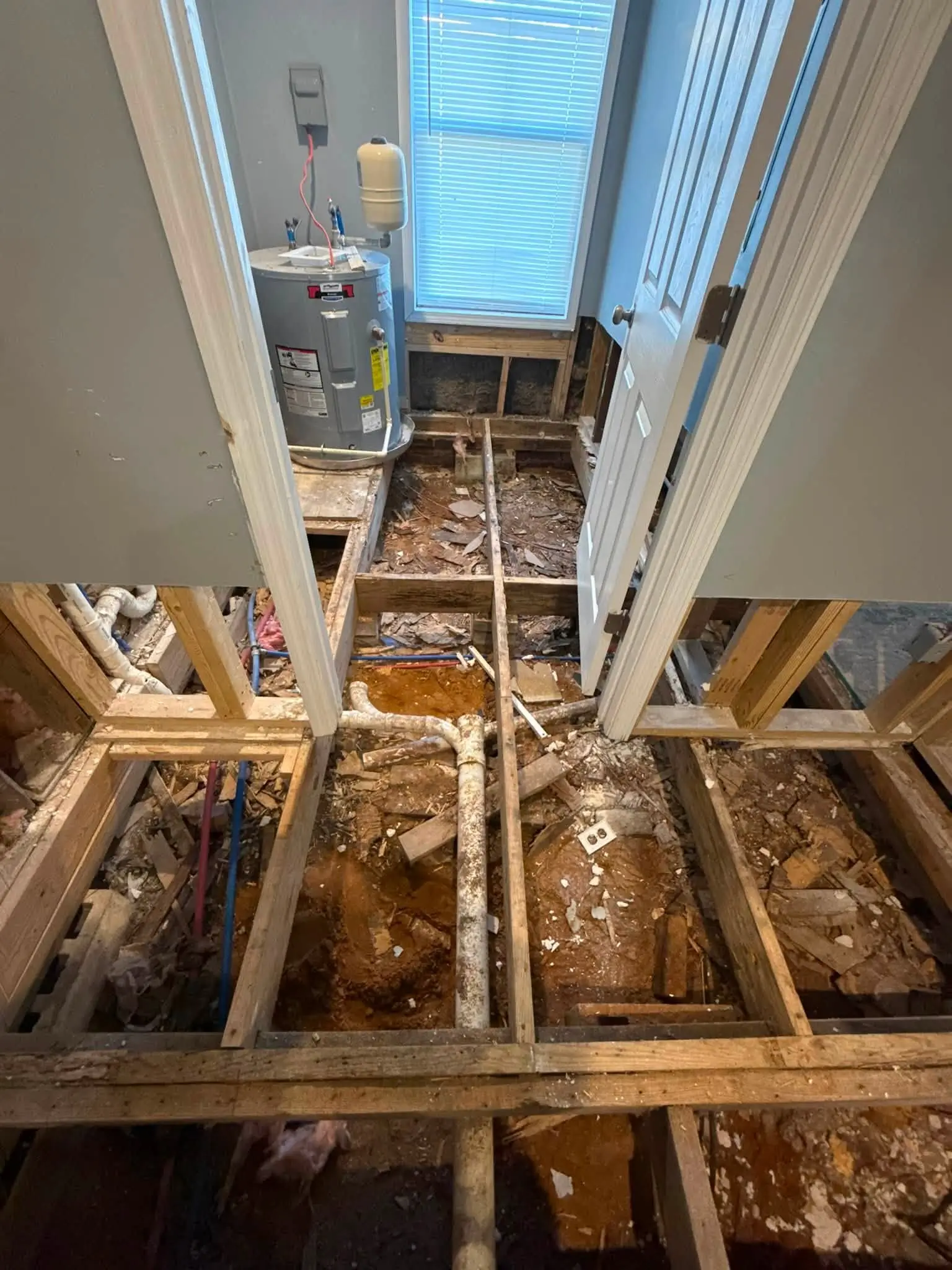
Water damage repair should not begin while moisture remains inside the wall, floor, ceiling, or supporting assembly.
New drywall, flooring, trim, or paint can conceal unresolved moisture without correcting it. That can lead to coating failure, material swelling, staining, odor, deterioration, and additional removal after the room has already been finished.
Before defining the repair scope, Water Damage Restoration NYC confirms:
- The source of the water has been corrected or isolated.
- Standing water and contaminated residue have been removed.
- Materials approved for retention have completed structural drying.
- Moisture readings support closing walls or covering floors.
- Unsalvageable materials have already been identified.
- Mold, asbestos, lead, electrical, or structural concerns have been separated into the appropriate scope.
- The property owner or responsible decision-maker has approved the repair boundary.
EPA guidance states that walls, cabinets, flooring, and other wet materials should be completely dry before they are refinished or replaced. Areas that were flooded should not be sealed or painted while moisture remains inside the assembly.
Our repair estimate starts from the documented post-drying condition. It does not assume that every visible stain requires full replacement or that every retained material can be finished without further preparation.
Water-Damaged Materials We Repair
Water affects materials differently. Wood can swell or distort, composite products can delaminate, drywall can soften, and laminated finishes can separate from the material beneath them. The repair method therefore follows the material and damage pattern—not a standard room package.
Drywall
Water-damaged drywall may require a localized patch, replacement to the nearest framing point, or replacement of a larger connected section.
We evaluate:
- Softness, crumbling, swelling, and edge damage
- The height and width of the removed area
- Access to studs and wall cavities
- The condition of insulation behind the wall
- Existing panel thickness
- Surface texture and previous repairs
- The location of outlets, plumbing, and fixed cabinetry
For water-damaged wall repair in Brooklyn, the smallest patch is not always the cleanest long-term option. An irregular opening may be extended to stable framing so the replacement panel has proper support and the finished joint does not fail at a weak edge.
Drywall repair can include panel installation, joint treatment, sanding, priming, and painting within the approved boundary.
Ceilings
Ceiling repair begins by confirming that the leak above has stopped and the ceiling cavity is dry.
A ceiling may require repair when it has:
- Sagged or bowed
- Lost adhesion
- Developed soft or crumbling areas
- Been opened for drying or plumbing access
- Retained staining after the material dried
- Separated at seams or fasteners
Gypsum-board ceilings and traditional plaster assemblies require different repair methods. Plaster that remains stable may be repaired locally, while loose or delaminated sections may need a wider repair boundary.
The scope also accounts for light fixtures, vents, ceiling transitions, decorative molding, and access from the floor above.
Flooring
Water damage floor repair in Brooklyn depends on both the visible finish and the condition of the supporting layers.
We inspect:
- Finished flooring
- Adhesive or underlayment
- Subflooring
- Floor edges and transitions
- Baseboards and doorway thresholds
- Cabinet or appliance areas that restrict access
Hardwood may develop cupping, crowning, gaps, staining, or finish damage. Engineered flooring can separate between layers. Laminate and fiber-based products may swell at joints and lose their original shape. Tile may remain intact while the setting material or subfloor beneath it requires attention.
Flooring should not be installed over a damp slab or subfloor. The repair scope identifies whether the practical option is local board replacement, refinishing, replacement to a natural transition, or a wider connected-area replacement.
Trim
Baseboards, casings, quarter-round, decorative molding, and door trim are evaluated by material.
Trim work can include:
- Removal for wall or floor access
- Localized replacement
- Reinstallation of retained pieces
- Filling fastener points
- Caulking appropriate joints
- Priming and finish painting
Solid wood trim may remain repairable when it is dry, stable, and free from significant distortion. Medium-density fiberboard and other composite trim can swell at the bottom edge and may not return to its original profile after drying.
Where an existing profile is no longer available, we explain the matching limitation before ordering replacement material.
Paint
Paint is the final surface treatment—not a moisture-control method.
Water stains, peeling coatings, blistering, chalking, and uneven sheen may remain after the substrate dries. Preparation can include removing loose coatings, feathering damaged edges, patching the substrate, sanding, applying a compatible primer, and repainting the agreed surface.
Spot painting may remain visible when the existing paint has aged, faded, or changed sheen. In those cases, painting to a natural break—such as a corner, doorway, ceiling line, or complete wall—can create a more consistent result.
Cabinets
Cabinet damage often appears at toe kicks, side panels, back panels, fillers, sink bases, and the lower edge of the cabinet box.
We check for:
- Swollen particleboard or fiberboard
- Delaminated finishes
- Loose joints
- Damaged backs or shelving
- Door and drawer misalignment
- Water trapped beneath the cabinet
- Countertop support concerns
Some cabinet components can be replaced without removing the entire installation. Cabinets with widespread swelling, weakened boxes, or unavailable finish materials may require a larger replacement scope.
Plumbing connections, countertops, electrical work, and appliance installation are identified separately when another trade is needed.
Repair or Replace?
The repair-versus-replacement decision is based on whether the material can remain stable, functional, and finish-ready.
We consider five questions:
1
Is the material dry?
Moisture must be resolved before the repair is closed or coated.
2
Has the material retained its strength and shape?
Crumbling drywall, delaminated flooring, or swollen composite material may not provide a reliable repair base.
3
Was the material exposed to contamination?
A material approved for retention after a clean-water event may not be suitable after sewage or outdoor floodwater exposure.
4
Can the affected section be accessed and finished properly?
A small damaged area may require a larger opening to reach framing, insulation, plumbing, or concealed edges.
5
Can the repair be matched within a reasonable boundary?
Discontinued flooring, aged paint, custom trim, and older cabinet finishes may not have an exact replacement.
Repair is appropriate when the retained material is dry, stable, cleanable, and compatible with the new work. Replacement is recommended when deterioration extends through the material, the repair would remain visibly unstable, or the cost of repeated localized work would exceed a defined replacement section.
We explain this decision before materials are ordered.
Scope, Finish Matching and Project Handoff
A repair scope should answer more than “replace drywall and paint.”
Water Damage Restoration NYC documents:
- The rooms and surfaces included
- Existing materials being retained
- Materials approved for removal
- Patch and replacement boundaries
- Flooring transitions
- Trim profiles
- Paint areas and sheen
- Cabinet components
- Work assigned to another trade
- Access and building requirements
- Completion and handoff conditions
Exact finish matching cannot always be assumed. Paint fades. Wood changes color. Flooring varies between production runs. Texture can reflect previous repairs. Older trim profiles and cabinet finishes may no longer be manufactured.
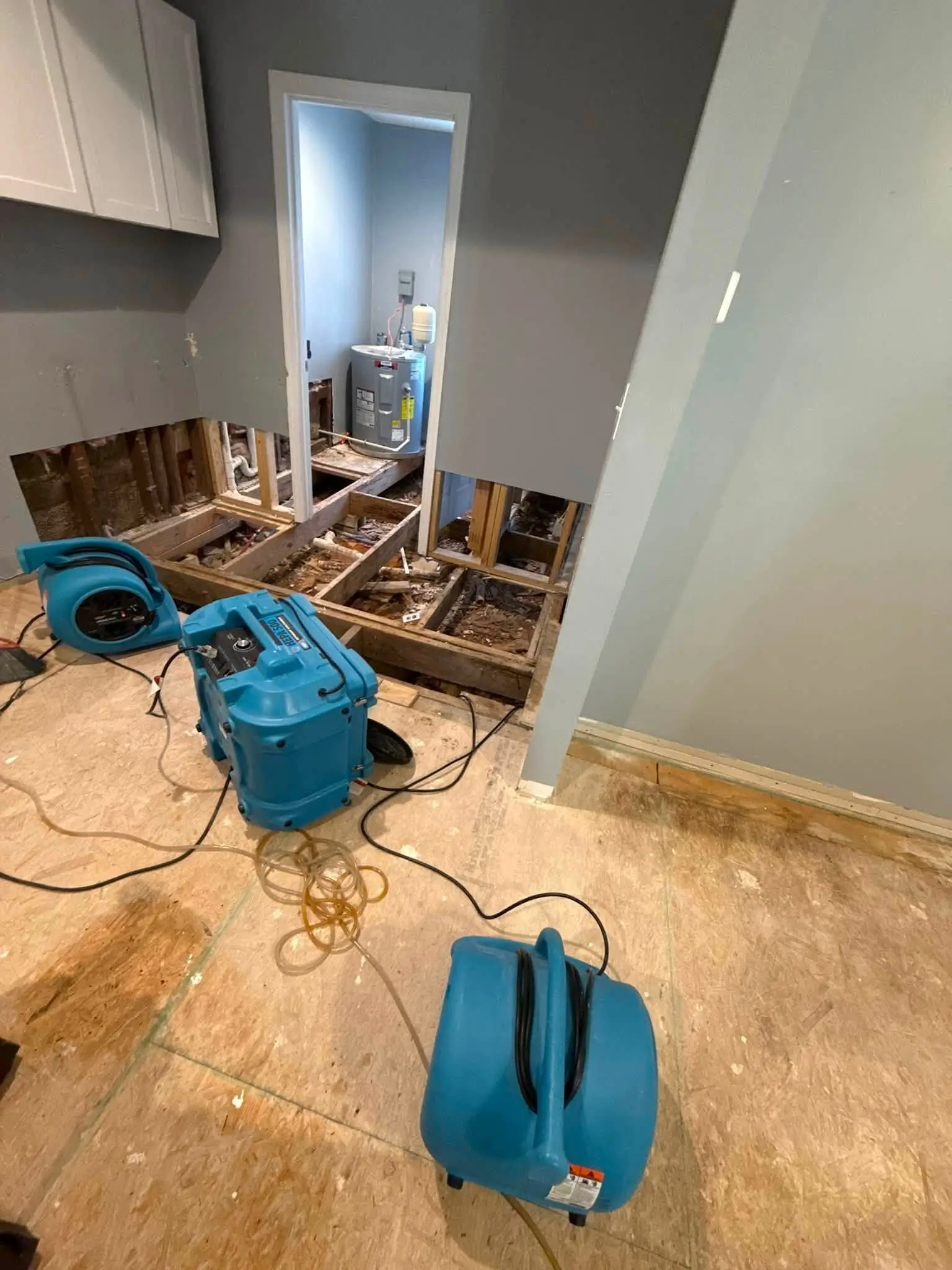
When an exact match is unavailable, we present a practical boundary before work begins. Options may include:
- A localized repair with an accepted visible transition
- Blending to a corner or architectural break
- Repainting a complete wall or ceiling plane
- Replacing a connected flooring section
- Using the closest available trim profile
- Separating temporary repair from planned renovation work
At completion, the project is reviewed against the approved scope. The handoff identifies finished work, items assigned to other trades, care or curing requirements, and any remaining reconstruction decision.
Brooklyn Water Damage Repair Project
A Brooklyn repair project can involve an owner, tenant, landlord, superintendent, management company, condo board, or cooperative board. Kings County had approximately 1.14 million housing units in 2025, while only 29.5% of occupied units were owner-occupied during 2020–2024. This makes access, authorization, finish selection, and responsibility for payment practical parts of many Brooklyn repair scopes.
Brooklyn also contains a mix of private homes, rental housing, cooperative units, public housing, multifamily buildings, and historic rowhouses. That variety affects whether the repair involves modern drywall, traditional plaster, hardwood, masonry, concrete, layered flooring, or shared building assemblies.
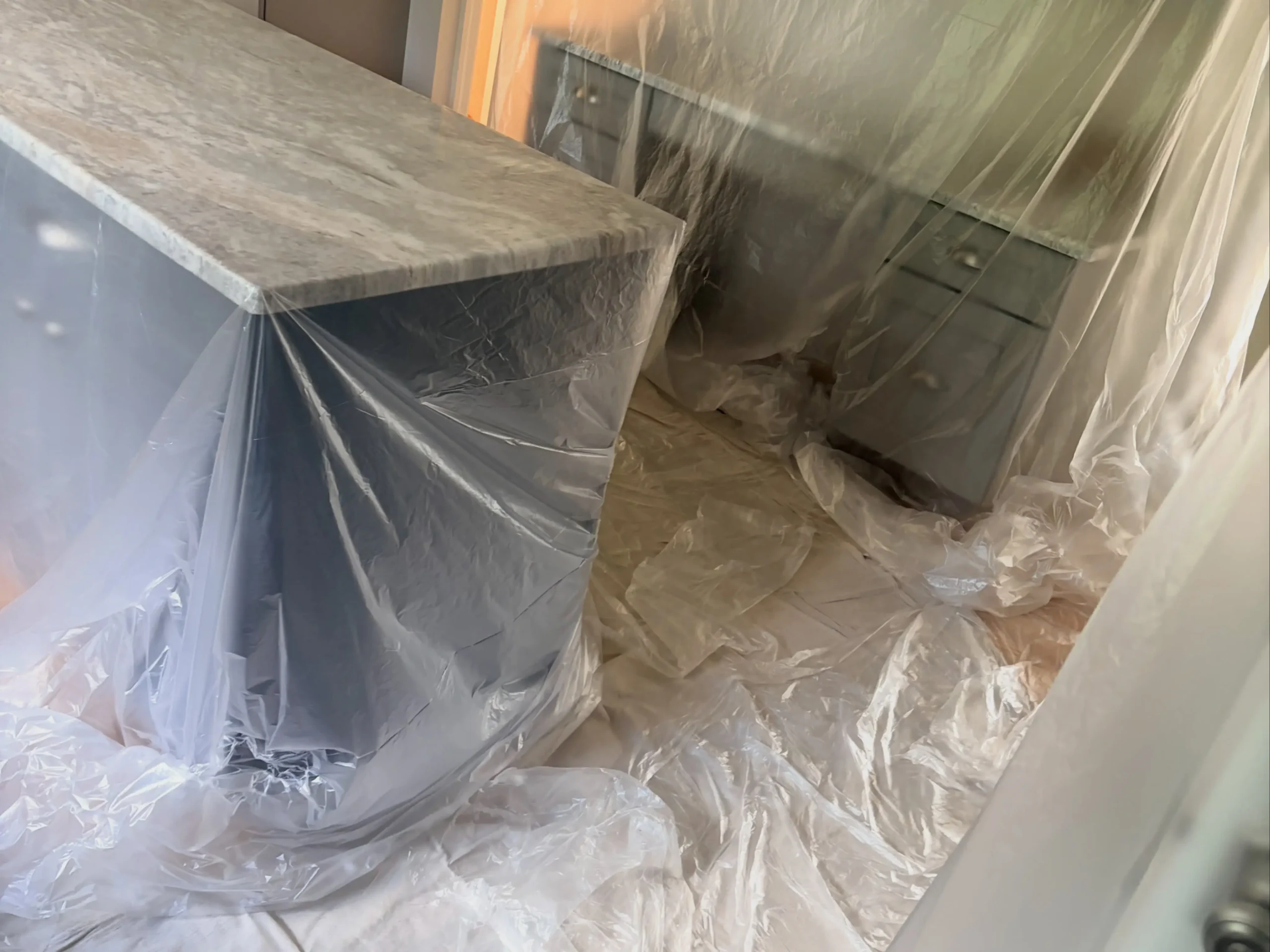
For each Brooklyn project, Water Damage Restoration NYC defines five checkpoints:
1
1. Drying Handoff
The materials approved for repair have reached the established drying condition. Areas still requiring moisture work remain outside the repair scope.
2
2. Repair Boundary
The estimate identifies the exact walls, ceiling planes, floor sections, trim pieces, and cabinet components included.
3
3. Finish Decision
Paint, texture, flooring, trim, and cabinet-matching limitations are reviewed before materials are ordered.
4
4. Property Authorization
The correct decision-maker approves access, work hours, common-area protection, material selections, and the repair scope.
5
5. Completion Record
The final record identifies the repaired surfaces, approved changes, work completed by separate trades, and remaining items—if any.
This section describes our measurable Brooklyn project standard. It does not invent a customer address, damage event, repair result, or testimonial.
What the Service Includes and Does Not Include
Water damage repair can include
- Post-drying repair inspection
- Defined wall, ceiling, and floor boundaries
- Drywall patching or replacement
- Limited plaster repair where practical
- Ceiling patching and finish preparation
- Baseboard, casing, and trim replacement
- Approved flooring repair or replacement
- Cabinet component repair where practical
- Surface preparation, priming, and painting
- Repair debris removal
- Final walkthrough and scope handoff
Not automatically included
- Active leak detection or source repair
- Water extraction or structural drying
- Sewage cleanup or mold remediation
- Lead or asbestos testing and abatement
- Structural engineering
- Plumbing, electrical, or HVAC repair
- Major framing or structural reconstruction
- Countertop fabrication unless approved
- Permits, board fees, or management charges
- Exact finish-match guarantees
- Insurance coverage or claim approval
The final inclusions depend on the post-drying inspection, material condition, selected finish, access requirements, and approved estimate.
Why Choose Water Damage Restoration NYC?
Repair Begins With a Dry Structure
We do not cover wet assemblies with new finishes. Moisture status is separated from repair readiness before walls, floors, or ceilings are closed.
Repair Boundaries Are Defined in Advance
The scope identifies where a patch ends, where replacement begins, and what is assigned to another service or trade.
Finish-Matching Limits Are Explained
Paint, flooring, trim, and cabinetry are assessed before work begins so discontinued or aged finishes do not become an unexpected issue after installation.
Service Is Coordinated for Brooklyn Properties
Water Damage Restoration NYC provides services throughout NYC, while this page is specifically organized for Brooklyn homeowners, tenants, landlords, and property decision-makers.
Our estimated Brooklyn arrival is 1–2 hours, subject to traffic, weather, parking, and building access.
Frequently Asked Questions
When do I need water damage repair?
You need water damage repair after damaged walls, ceilings, flooring, trim, paint, or cabinets have been dried and evaluated.
Repair should wait when the water source is still active, materials remain wet, contamination has not been cleaned, or the affected assembly still requires inspection.
What does your Brooklyn repair service include?
The service can include drywall, ceiling, flooring, trim, cabinet-component, priming, and painting work within an approved repair boundary.
The exact scope depends on material condition, finish availability, access, and whether another trade is required.
How quickly can you arrive, and how long will repairs take?
Our estimated inspection arrival in Brooklyn is 1–2 hours.
The repair timeline depends on the number of affected surfaces, material availability, drying verification, building approval, paint and compound curing, flooring acclimation, and work assigned to other trades.
What affects the cost of water damage repair?
Cost depends on the affected material, repair dimensions, access, demolition already completed, finish matching, flooring transitions, cabinet construction, labor, and required surface preparation.
Localized drywall repair has a different scope from replacing connected flooring, multiple ceiling sections, or custom cabinetry.
Can you document repairs for insurance?
Yes. Documentation can identify the post-drying condition, approved repair boundary, materials replaced, work completed, photographs, and remaining items.
Water Damage Restoration NYC documents the repair work, while the insurance carrier determines coverage, depreciation, deductibles, authorization, and payment.
Repair Water-Damaged Finishes After Drying Is Complete
Do not install new drywall, flooring, trim, or paint over unresolved moisture or an undefined repair boundary.
Call Water Damage Restoration NYC at +19172034372 for water damage repair in Brooklyn. We will confirm the current estimated 1–2 hour arrival, inspect the post-drying condition, and explain what can be repaired, what requires replacement, and where the finished scope will end.