Water Damage Cleanup and Sanitization in Brooklyn
Water Damage Restoration NYC provides water damage cleanup in Brooklyn for leaks, overflows, stormwater and contaminated losses. We remove residue, clean affected surfaces, control odors and sanitize where conditions require it, with an estimated 1–2 hour arrival window.
Service Commitments
1–2 Hour Estimated Arrival
Brooklyn-Focused Response
Water-Category-Based Cleanup
Clear Cleanup Scope and Documentation
1–2 Hour Estimated Arrival | Brooklyn-Focused Response | Water-Category-Based Cleanup | Clear Cleanup Scope and Documentation
Water Category Determines the Cleanup
The source and condition of the water determine what can be cleaned, what must be removed and whether sanitization or disinfection is required.
A broken supply line does not create the same cleanup conditions as dishwasher discharge, groundwater, a toilet overflow or a sewer backup. Before recommending treatment, Water Damage Restoration NYC evaluates the apparent water source, affected materials, visible residue, exposure time and the possibility that contamination has spread beyond the visibly wet area.
Water losses are commonly divided into three contamination categories:
Category 1 Water
Category 1 water begins from a relatively sanitary source, such as a broken supply line, clean sink overflow or appliance supply connection. Cleanup may focus on removing soil and residue, cleaning exposed surfaces and protecting materials that can be dried.
Category 1 conditions can deteriorate when water remains in contact with building materials, soil or microorganisms. Time, temperature and the materials involved can therefore change the cleanup scope.
Category 2 Water
Category 2 water contains a meaningful level of chemical, biological or physical contamination. It may come from washing machines, dishwashers, sump failures, seepage or certain toilet overflows.
Affected porous materials require closer evaluation because they can absorb contaminated water below the surface. Cleaning a visible face may not address contamination held inside carpet padding, insulation, composite wood or gypsum-based materials.
Category 3 Water
Category 3 water is grossly contaminated. Typical sources include sewage, surface flooding, storm surge, groundwater and water that has remained stagnant under unsanitary conditions.
These losses require stricter access control, removal decisions and contamination procedures. Materials that cannot be thoroughly cleaned and dried may need to be discarded instead of treated cosmetically.
The category can change as conditions worsen, which is why the cleanup decision should be based on the current site condition rather than the water’s original source alone. We Clean, Remove and Sanitize
We Clean, Remove and Sanitize
Water damage cleanup is not a single application of disinfectant. Effective cleanup follows a material-specific sequence: remove loose contamination, clean the surface, determine whether antimicrobial treatment is appropriate and verify that residue has not been left behind.
Residue
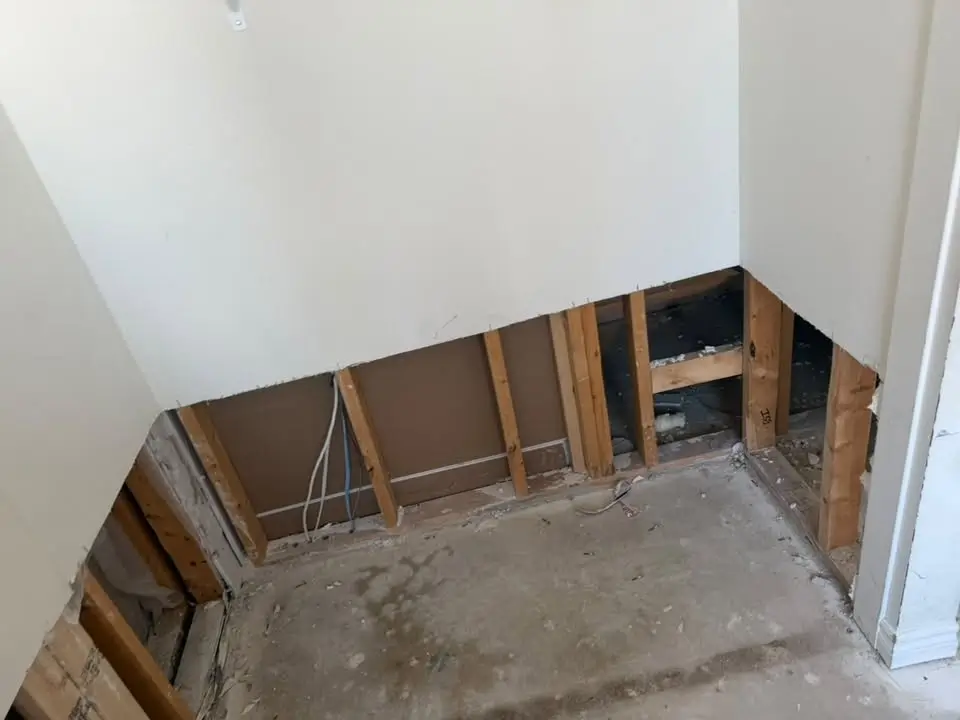
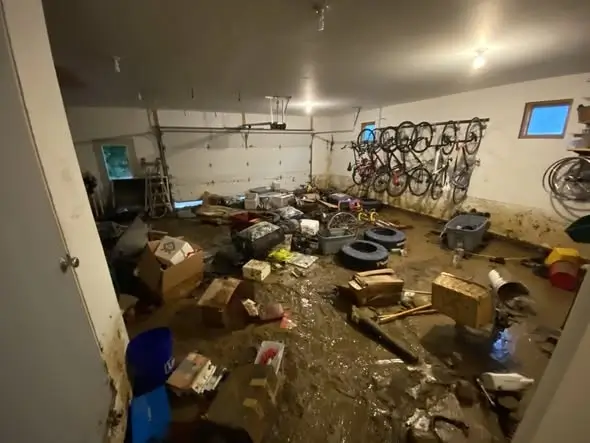
After water is extracted, silt, soap, organic matter, sewage residue, building debris and dissolved contaminants can remain on floors, walls, fixtures and contents.
We first identify where residue has settled or been transferred. This may include floor edges, grout lines, lower wall surfaces, cabinet bases, utility rooms, basement steps and the underside of movable contents.
Cleaning removes the material that can interfere with later sanitization. Applying a disinfectant over dirt or residue does not provide the same result as cleaning the surface first.
Porous Materials
Porous materials absorb water into openings, fibers or internal layers. They may include:
- Carpet and carpet padding
- Upholstered materials
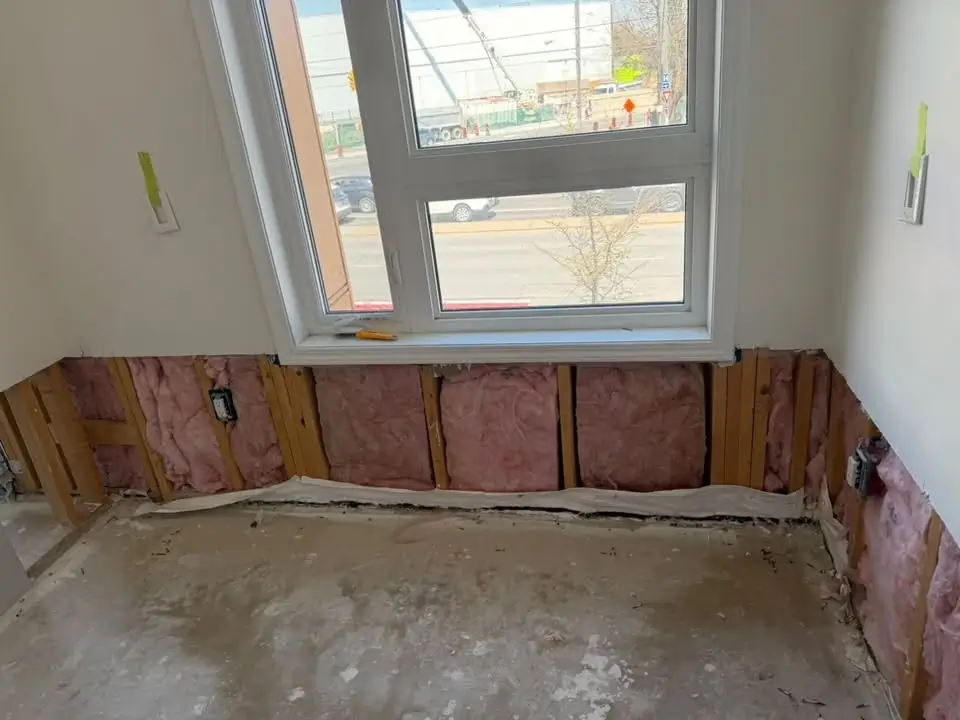
- Drywall and gypsum board
- Fiberglass or fiber-fill insulation
- Ceiling tiles
- Unfinished wood
- Composite wood and fiberboard
- Paper, cardboard and books
- Fabric and soft contents
The decision to clean, dry or dispose of a porous material depends on the water category, exposure time, depth of absorption and whether all affected surfaces can be reached.
A carpet exposed to a clean supply-line leak may be handled differently from carpet affected by sewage or outdoor floodwater. Insulation, padding and fiberboard that have absorbed contaminated water are often difficult to clean throughout their full thickness.
We explain why a material is considered salvageable or unsalvageable before removal whenever site conditions allow.
Nonporous Surfaces
Hard, nonporous surfaces are generally more suitable for cleaning because contamination remains closer to the surface. These may include:
- Sealed tile
- Glass
- Metal
- Certain plastics
- Sealed countertops
- Plumbing fixtures
- Finished appliances
- Other washable hard surfaces
The cleaning method still depends on the surface finish and water source. Product compatibility matters. A strong chemical used on the wrong surface may discolor finishes, corrode metal or damage protective coatings.
Where sanitization or disinfection is appropriate, products are selected and applied according to their label directions, required contact time and material compatibility.
Debris
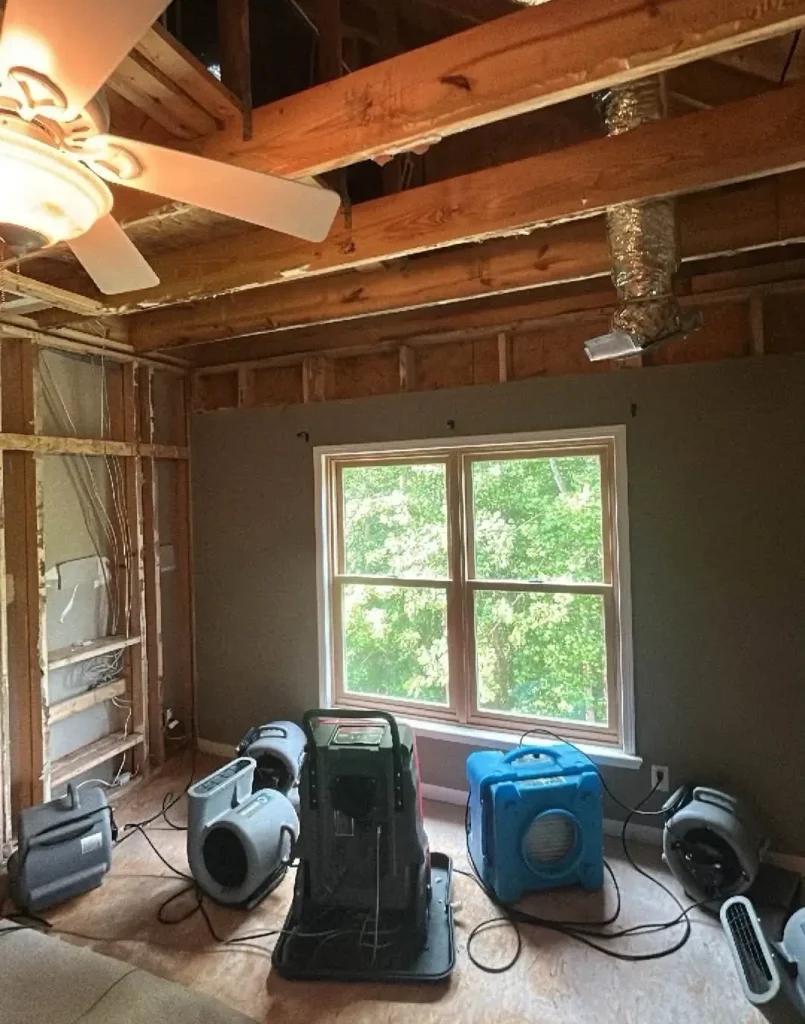
Water-damaged debris is separated from contents that may be cleaned or restored. Depending on the inspection, debris removal may include contaminated padding, damaged drywall sections, insulation, swollen fiberboard, disposable filters and unsalvageable contents.
The work area is organized to avoid dragging wet or contaminated materials through unaffected rooms. In Brooklyn apartments and multifamily buildings, this may require floor protection, bagged removal, protected hallways, elevator coordination or a controlled route through occupied areas.
Odor and Contamination Control
Odor control begins by removing the source of the odor—not by covering it with fragrance.
Musty, sewage-like or stagnant-water odors may be associated with wet porous material, residue, trapped moisture, contaminated contents or material hidden behind finishes. A deodorizer alone cannot correct those conditions.
Sanitization reduces contamination on cleaned surfaces. It does not replace water removal, structural drying, source repair or mold remediation when those services are required.
For floodwater or sewage conditions, access may need to be restricted until affected areas have been cleaned and disinfected. NYC Health also advises keeping children, pets and people with compromised immune systems away from contaminated areas during cleanup and warns against mixing bleach with ammonia-based products. Cleaning Is Not Enough
Our odor-control process can include:
- Identifying the affected material and likely odor source.
- Removing contaminated residue and debris.
- Cleaning salvageable surfaces.
- Applying an appropriate antimicrobial or odor-control treatment where indicated.
- Separating unsalvageable contents from the cleaned area.
- Confirming whether additional moisture investigation or drying is required.
Cleaning Is Not Enough
Cleaning is not enough when contamination or deterioration extends into material that cannot be reached, treated and dried effectively.
Removal may be recommended when:
- Sewage or outdoor floodwater has saturated porous material.
- Carpet padding or insulation has absorbed contaminated water.
- Drywall has softened, crumbled or lost structural integrity.
- Composite wood has swollen or delaminated.
- Residue remains trapped beneath flooring or behind finishes.
- Material cannot be cleaned on all affected sides.
- Persistent odor remains after accessible surfaces are cleaned.
- The assembly must be opened to reach concealed contamination.
- Regulated materials may be disturbed during removal.
Brooklyn has a mix of modern apartments, multifamily properties, public housing, cooperative buildings and older row houses. The borough recorded more than 1.1 million housing units in 2022, with high housing density. That makes shared walls, stacked apartments, common corridors and building-management coordination practical parts of many cleanup scopes. der property, removing wet wall, floor or ceiling material may disturb lead-based paint, asbestos-containing material or other regulated substances. When that risk is identified, cleanup work may need to pause until appropriate testing or specialized work is arranged.
Permanent plumbing, drain, roof, appliance or building-envelope repair remains separate from water damage cleanup. The source must be corrected by the responsible trade before the affected area can remain clean and dry.
Brooklyn Cleanup Project
For Water Damage Restoration NYC, a Brooklyn cleanup project is not considered complete because the standing water is gone or an odor has temporarily faded.
Our cleanup completion standard focuses on the condition of the affected area:
- The apparent water source and contamination category have been evaluated.
- Visible residue, soil and loose debris have been removed.
- Salvageable surfaces have been cleaned.
- Sanitization or antimicrobial treatment has been applied where appropriate.
- Unsalvageable materials have been separated or removed under the approved scope.
- Odor sources have been addressed rather than masked.
- Cleaned areas have been documented.
- Remaining moisture, drying or repair needs have been identified.
- The property owner, landlord or responsible party understands the next service stage.
Brooklyn access conditions are included in the project plan. A walk-up apartment may require a different removal route from a brownstone cellar, elevator building or occupied multifamily property. We consider hallway protection, stairs, shared entrances, building hours, tenant access and the location of waste or equipment before work begins.
This reduces unnecessary disruption and prevents contaminated debris from being moved carelessly through unaffected areas.
What the Service Includes and Does Not Include
Water damage cleanup can include
- Evaluation of the water source and apparent category
- Inspection of affected surfaces and contents
- Removal of visible residue and contamination
- Cleaning of salvageable hard surfaces
- Antimicrobial treatment where appropriate
- Sanitization or disinfection based on site conditions
- Odor-source identification and treatment
- Disposal of approved unsalvageable debris
- Photos and cleanup-scope documentation
- Identification of remaining drying or repair needs
Not automatically included
- Permanent plumbing or drain repair
- Roof, façade or foundation repair
- Water extraction already assigned to another scope
- Structural drying and dehumidification
- Reconstruction or finish replacement
- Mold remediation requiring a separate protocol
- Lead or asbestos testing and abatement
- Electrical, HVAC or appliance repair
- Insurance coverage or claim approval
- Unapproved contents disposal
The final scope depends on the source, water category, affected material, exposure time, access and inspection findings. We explain service boundaries before the cleanup expands beyond the approved work.
Why Choose Water Damage Restoration NYC
1. Cleanup Decisions Based on the Water Category
We do not use the same process for a clean pipe leak, appliance discharge, groundwater intrusion and sewage backup. The contamination level drives the cleaning, removal and sanitization decisions.
2. Material-Specific Cleaning and Disposal
We distinguish between porous, semi-porous and nonporous materials. This prevents washable surfaces from being discarded unnecessarily and prevents contaminated absorbent materials from being treated as if surface wiping were enough.
3. Brooklyn-Focused Project Control
Water Damage Restoration NYC serves properties across NYC, while this service is organized specifically for Brooklyn homeowners, tenants, landlords and property decision-makers. Our estimated Brooklyn arrival window is 1–2 hours, subject to traffic, weather and property access.
4. A Defined Cleanup Completion Point
We identify what was cleaned, treated, removed and left for another service stage. You receive a clear next step instead of a vague statement that the property has been “handled.”
Frequently Asked Questions
Clean and Sanitize the Affected Area
Do not leave residue, contamination or persistent odors behind after the visible water is removed.
Call Water Damage Restoration NYC at +19172034372 for water damage cleanup and sanitization in Brooklyn. We will confirm the current arrival estimate, inspect the affected materials and explain what should be cleaned, treated or removed.
Primary CTA: Call for Service
Secondary CTA: Request an Inspection