Boiler and Radiator Leak Water Damage Cleanup in Brooklyn
- 24/7 Emergency Service
- Certified Team
- Rapid Response
- Insurance Assistance
Immediate Actions After Boiler and Radiator Leaks
- Do not touch a leaking steam radiator, valve, or hot pipe. Steam radiators can operate at temperatures high enough to cause serious burns, and damaged valves or corroded components can release steam or hot water unexpectedly.
- Notify the superintendent or property manager immediately in a multifamily building. A boiler, riser, or radiator may serve more than one unit.
- Do not operate boiler-room valves or controls unless you are responsible for the system and know the correct shutdown procedure.
- Keep away from wet electrical components. Water around boiler controls, outlets, pumps, panels, or floor-level equipment requires extra caution.
- Move dry belongings away from the water path when safe. Protect furniture, rugs, electronics, documents, and stored items.
- Check the room below. A radiator or heating-pipe leak can pass through flooring and pipe penetrations before the full damage is visible upstairs.
- Arrange heating-system repair and water restoration separately. The heating professional controls the boiler, radiator, valve, or pipe problem. Water Damage Restoration NYC handles the resulting building damage.
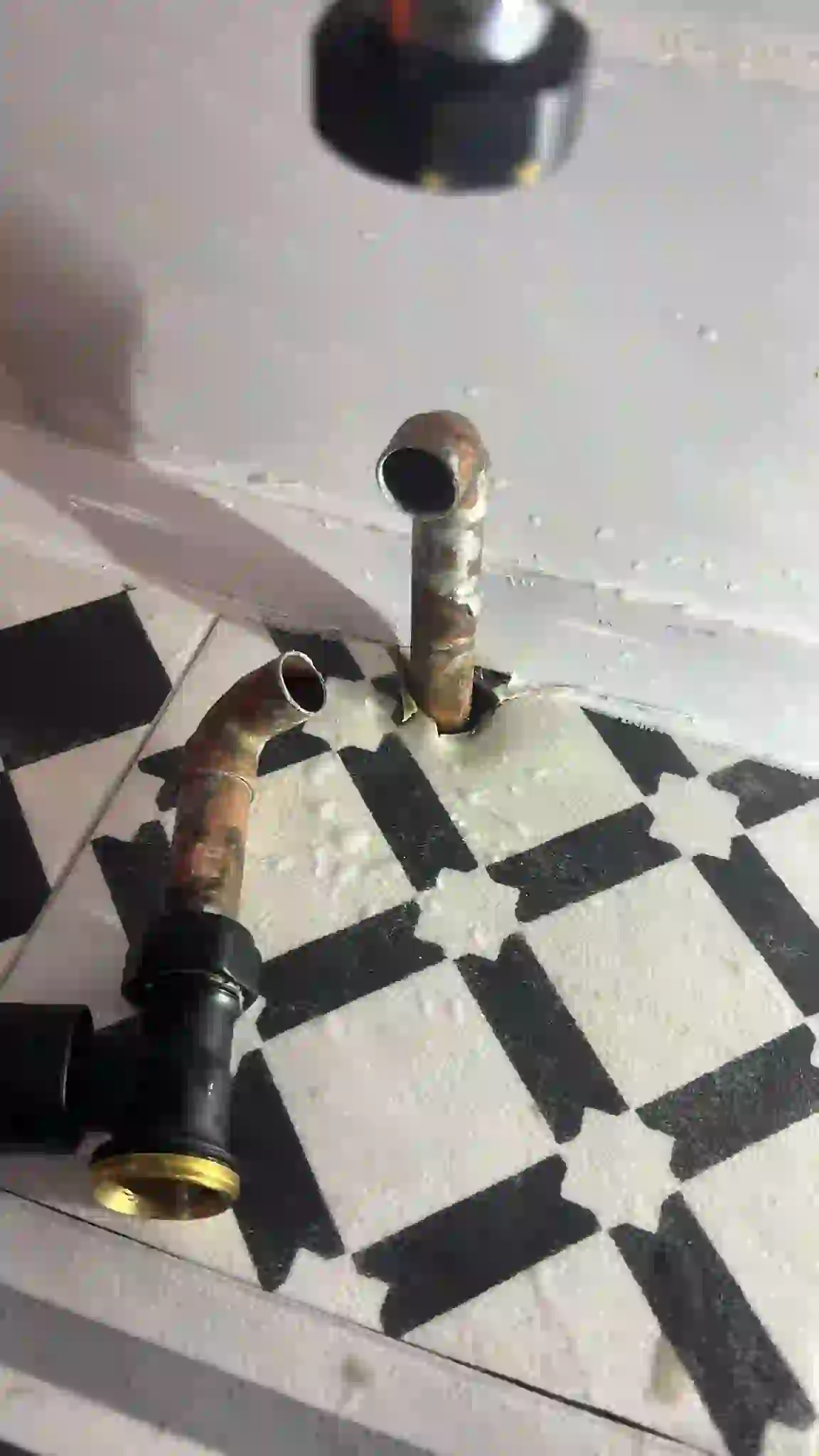
How Heating-System Water Release Causes Water Damage
Water Damage Can Begin At:
- A leaking radiator valve
- A loose or failed radiator connection
- A damaged radiator body
- A heating riser or branch pipe
- Supply or return piping
- Steam-condensate piping
- Boiler connections
- Circulator or pump connections
- A pressure or safety-relief discharge
- Corroded fittings or joints
Where the Water Usually Travels
First Affected Area
For a radiator leak, inspection starts around the radiator feet, valve, pipe connection, wall base, and nearby flooring.
For a boiler or mechanical-room leak, the first checks include:
- Floor surrounding the boiler
- Supply and return connections
- Pumps and nearby piping
- Wall bases
- Floor drains
- Stored belongings
- Adjacent mechanical equipment
The visible puddle identifies where water surfaced, not necessarily the entire affected area.
Hidden Cavities
Heating pipes commonly pass through walls and floors, creating direct pathways into concealed assemblies.
Moisture can move into:
- Floorboard joints
- Subflooring
- Wall plates
- Plaster
- Drywall
- Insulation
- Pipe chases
- Ceiling cavities
- Areas behind baseboards
- Built-up flooring assemblies
Plaster, wood, concrete, masonry, and multilayer floors can hold moisture deeper than the exposed surface, so a dry-looking floor or wall does not by itself confirm that the assembly is dry.
Floor Below
Vertical migration is especially important when the failed radiator or heating pipe is above another apartment, commercial space, basement, or occupied floor.
Water can move through:
- Radiator-pipe penetrations
- Gaps around risers
- Floorboard seams
- Subfloor joints
- Ceiling cavities
- Framing openings
- Wall intersections
A lower-floor stain may appear away from the radiator because water follows framing and openings before becoming visible.
Adjacent Rooms
Heating water can also travel horizontally beneath hardwood, laminate, carpet, or continuous subflooring.
We inspect adjoining bedrooms, hallways, closets, living spaces, or mechanical rooms when the construction and moisture pattern indicate that water crossed the original room boundary.
Who Repairs the Source and Who Restores the Damage?
What the Heating / Boiler Professional Handles
- Radiator-valve repair
- Radiator replacement
- Pipe or fitting repair
- Supply or return piping work
- Steam-condensate repair
- Boiler connection repair
- Pump or circulator work
- Pressure-control or safety-component work
- Boiler repair or replacement
What Water Damage Restoration NYC Handles
- Water-damage assessment
- Standing-water removal
- Moisture mapping
- Flooring inspection
- Wall and ceiling inspection
- Lower-floor checks
- Contents protection
- Selective wet-material removal
- Structural drying
- Moisture monitoring
- Damage documentation
- Interior repair planning
Restoration Plan: Cover Hot-Water Migration, Heating Piping and Multi-Floor Ceiling/Floor Impact
1. Confirm the Heating Release Is Controlled
We establish whether the affected boiler, radiator, valve, or pipe has been isolated or repaired by the responsible heating professional.
2. Identify the Source-to-Damage Route
The inspection connects the system failure with the first affected material.
For a radiator, that usually means following moisture from the valve or connection into the floor and wall base.
For a pipe or boiler release, inspection expands according to water volume and building layout.
3. Remove Accessible Water
Standing water is extracted from flooring and other accessible surfaces.
Water removal reduces the immediate load but does not establish that concealed materials are dry.
4. Inspect Floors Around Radiators
Hardwood can absorb water at board joints and transfer moisture into the subfloor.
We check:
- Boards around radiator feet
- Pipe penetrations
- Flooring edges
- Baseboards
- Subfloor where accessible
- Adjoining floor areas
5. Check Walls, Risers, and Ceilings
Where a heating pipe passes vertically through the building, inspection follows the riser and connected penetrations.
The ceiling below is checked when the water path indicates downward movement.
6. Evaluate Wet Materials
Depending on condition, affected materials can include plaster, drywall, insulation, wood framing, hardwood, laminate, carpet, masonry, and trim.
Damaged or inaccessible materials may require selective removal. Materials that remain structurally suitable move into controlled drying.
7. Dry Retained Assemblies
Drying is matched to the moisture held in the actual materials.
A shallow wet area around a radiator does not require the same drying approach as a pipe release that has saturated plaster, wood flooring, subflooring, and the ceiling below.
8. Verify the Drying Condition
Moisture readings are tracked until retained materials reach the established drying condition.
The repair phase begins after the remaining flooring, plaster, drywall, trim, or ceiling work is clearly defined.
Drying Handoff Before Interior Repairs
Moisture readings are tracked until retained materials reach the established drying condition.
The repair phase begins after the remaining flooring, plaster, drywall, trim, or ceiling work is clearly defined.
Materials Commonly Affected
Hardwood flooring
Subflooring
Plaster
Drywall
Baseboards and trim
Wood framing
Insulation
Laminate
Carpet and padding
Ceiling finishes
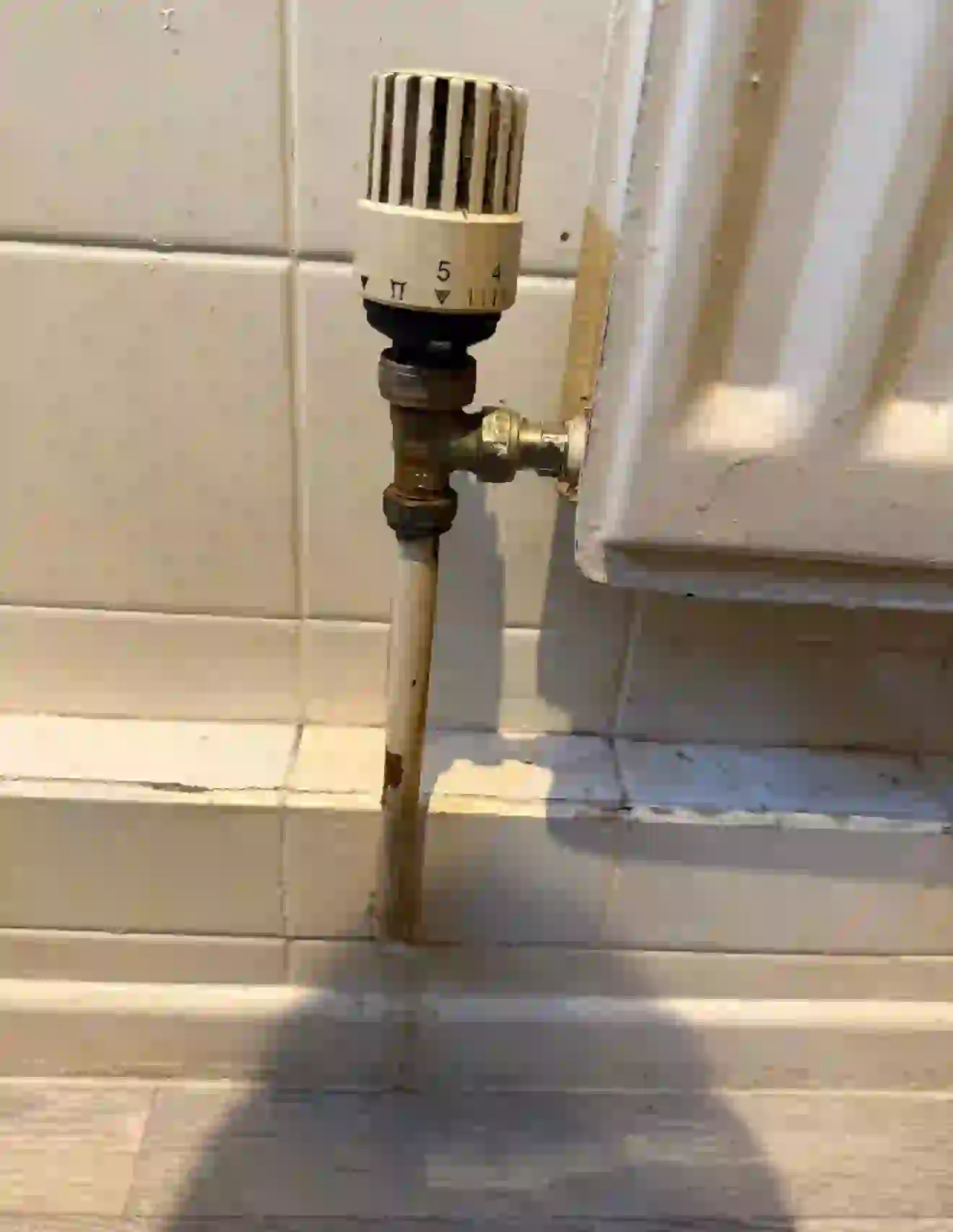
A Brooklyn Boiler and Radiator Leak Project
Insurance Documentation for This Cause
Water Damage Restoration NYC Can Document:
- Boiler, radiator, or heating-pipe location
- Reported source of the release
- Heating-system repair status
- Initial photographs
- Rooms and floors affected
- Visible water path
- Flooring and ceiling conditions
- Moisture-reading locations
- Materials removed or retained
- Water extraction
- Drying progress
- Remaining repair requirements
What the Service Includes and Does Not Include
Boiler and Radiator Water Damage Cleanup Can Include
- Emergency water-damage assessment
- Standing-water extraction
- Heating-source-to-damage moisture tracing
- Flooring and subfloor inspection
- Wall and ceiling inspection
- Lower-floor moisture checks
- Selective wet-material removal
- Structural drying and monitoring
- Photos and moisture documentation
- Interior repair-scope handoff
Not Automatically Included
- Boiler mechanical repair
- Radiator repair or replacement
- Heating-pipe repair
- Boiler controls or burner work
- Gas-system work
- Electrical system clearance
- Lead or asbestos testing
- Major reconstruction
- Insurance coverage decisions
- Work outside the confirmed water-damage area
Why Choose Water Damage Restoration NYC?
We Follow the Heating-System Water Path
We connect the boiler, radiator, valve, or heating pipe to the flooring, wall, ceiling, or lower unit that actually became wet.
We Inspect Vertical Migration
Heating risers and pipe penetrations can create direct routes between floors, so lower ceilings and connected assemblies are checked when the moisture path supports it.
Heating Repair and Restoration Stay Separate
The heating professional repairs the boiler or distribution system. Water Damage Restoration NYC handles water removal, affected building materials, structural drying, and interior repair planning.
We Use a Defined Drying Handoff
Water Damage Restoration NYC provides restoration services throughout NYC, while this service is specifically structured for boiler and radiator water damage in Brooklyn apartments, houses, brownstones, multifamily buildings, and commercial properties.
Our estimated Brooklyn arrival is 1–2 hours, subject to traffic, weather, parking, building access, heating-system safety conditions, and current emergency demand.
Frequently Asked Questions
Keep away from escaping steam or hot water, notify building management when applicable, and arrange heating-system repair plus water-damage cleanup. Call Water Damage Restoration NYC at +1 (917) 203-4372 when floors, walls, ceilings, or adjoining rooms are wet.
A qualified heating, boiler, or plumbing professional repairs the failed equipment or piping. Water Damage Restoration NYC handles the resulting extraction, moisture inspection, structural drying, and interior restoration scope.
We trace the source through radiator penetrations, flooring seams, wall bases, heating risers, moisture readings, and lower-floor ceiling checks. A dry-looking surface does not prove that the subfloor or ceiling cavity is dry.
Materials that are physically damaged or cannot be effectively dried may require selective removal. Depending on the loss, this can include wet insulation, deteriorated drywall, damaged plaster, carpet padding, or swollen composite flooring.
Yes. Water Damage Restoration NYC can document the heating-system source, photographs, water path, affected rooms, moisture readings, material decisions, drying progress, and remaining repairs. Coverage and payment decisions remain with the insurance carrier.
Call for Boiler and Radiator Leak Cleanup in Brooklyn
Emergency Contact
Call or email Water Damage Restoration NYC for the Brooklyn boiler and radiator leak restoration response.