WATER DAMAGE RESTORATION NYC
Residential Water Damage Restoration in Brooklyn
Water Damage Restoration NYC provides residential water damage restoration in Brooklyn for occupied homes, apartments, condos, co-ops, and brownstones. We protect residents and belongings, control the affected area, and define the restoration path, with an estimated 1–2 hour arrival.
Residential Service Commitments
1–2 Hour Estimated Arrival
Brooklyn Residential Response
Occupant and Belongings Planning
Written Scope and Project Handoff
Residential Water Losses We Handle
Residential water damage can begin with a small fixture leak or a sudden release affecting several rooms or apartments. The source, contamination level, affected materials, and occupancy conditions determine what must happen first.
Water Damage Restoration NYC responds to Brooklyn residential losses involving:
Water can damage drywall, plaster, insulation, wood, composite materials, flooring, cabinets, electrical components, and personal belongings. Losses are also evaluated by water category because clean supply water, appliance discharge, sewage, and outdoor floodwater require different safety and material decisions.
Source repair and property restoration are separate responsibilities. An accessible valve may be closed during emergency stabilization, but permanent plumbing, roofing, drainage, appliance, or building-envelope repairs may require the appropriate trade.
Residential Loss Sources
- Burst or leaking supply pipes
- Overflowing sinks, tubs, and toilets
- Washing-machine and dishwasher failures
- Water-heater leaks
- Refrigerator and appliance supply lines
- Roof, window, and building-envelope leaks
- Basement and lower-level flooding
- Sewer and drain backups
- Stormwater and groundwater intrusion
- Water moving between apartments or floors
Protecting Occupants and Belongings
Residential restoration must account for the people living inside the property—not only the wet materials.
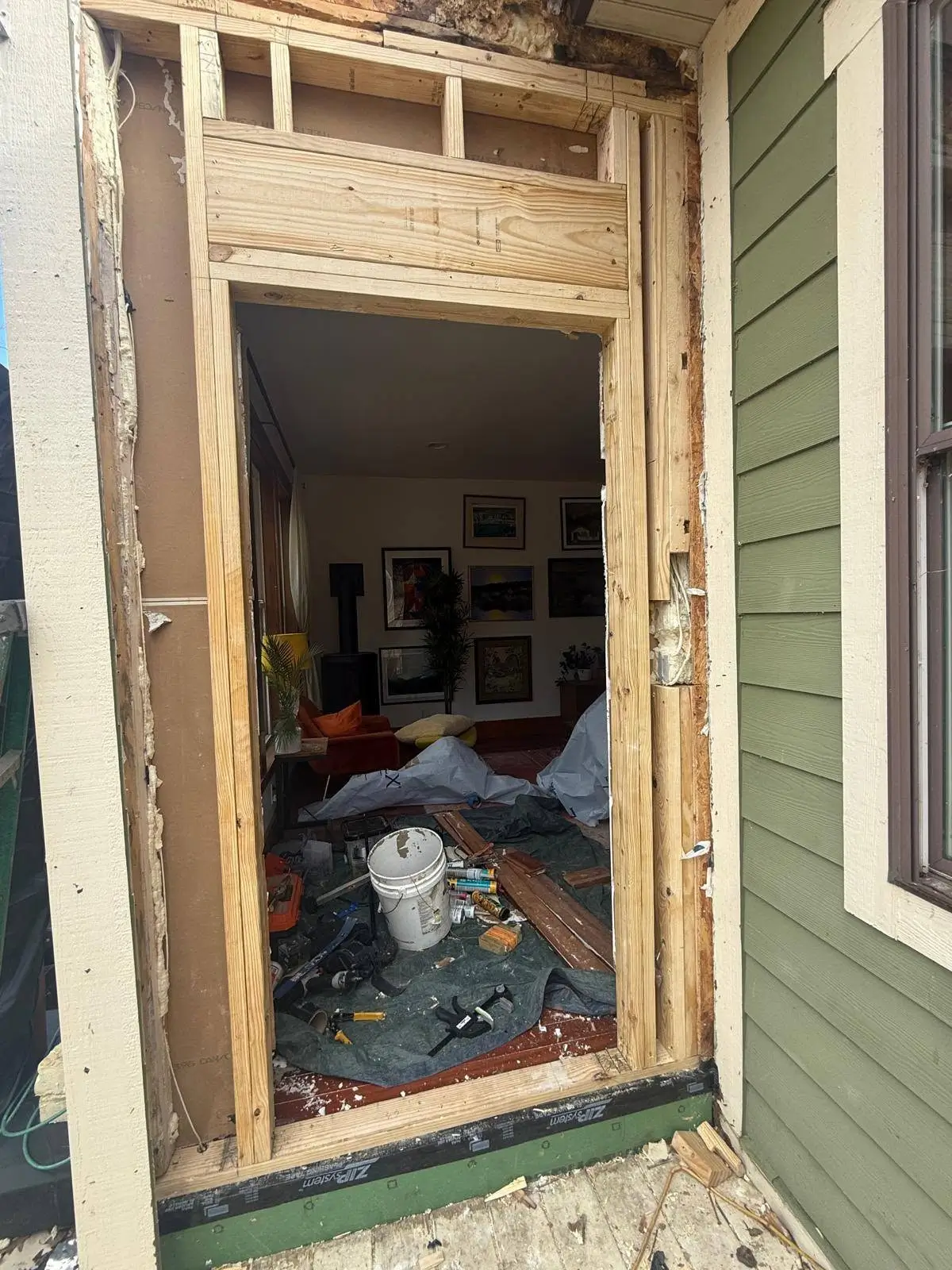
Before Work Starts, We Identify:
- Who currently occupies the home
- Whether children, older adults, pets, or medically vulnerable residents are present
- Which rooms are affected
- Whether a safe route remains to bedrooms, bathrooms, exits, or the kitchen
- Whether electricity, heating, water, or essential equipment is affected
- Which belongings need immediate protection
- Whether unaffected rooms can remain occupied
- Who can authorize removal, disposal, or access
Resident Safety
Keep people and pets away from sewage, outdoor floodwater, unstable ceilings, and standing water near electrical systems. NYC Emergency Management advises keeping children, pets, and people with compromised immune systems away from flood-affected areas until cleaning and disinfection are complete.
While waiting for our arrival:
- Stop the water source only when it is safe and accessible.
- Do not operate electrical switches while standing in water.
- Move dry valuables away from the affected area when this can be done safely.
- Do not discard damaged belongings before documenting them.
- Avoid using household fans where sewage or contaminated water is present.
- Tell us about mobility needs, medical equipment, pets, or access restrictions when calling.
Belongings Planning
Furniture and belongings are classified according to exposure and condition. Some items can be protected in place. Others may need cleaning, temporary relocation, pack-out, specialist recovery, or documented disposal.
Homes, Apartments, Condos, Co-ops and Brownstones
Brooklyn residential properties do not operate under one access or restoration model.
Kings County had an estimated 1,141,824 housing units in 2025, while only 29.5% of occupied housing units were owner-occupied during 2020–2024. These conditions mean a residential loss may involve tenants, landlords, supers, management companies, condominium boards, cooperative boards, or neighboring residents.
Private Houses
In a one- or two-family house, water may move from an upper bathroom or kitchen into lower ceilings, wall cavities, stairwells, basements, and utility areas.
We identify the main shutoff, affected floors, concealed moisture paths, utility risks, belongings, and rooms that must remain accessible. When several floors are involved, restoration is planned from the source area through every affected assembly below it.
Apartments and Multifamily Buildings
Water from one apartment can affect the unit below, a shared wall, hallway, plumbing chase, or common utility space.
The response may require:
- Access to both the source and receiving apartments
- Coordination with the superintendent or property manager
- Protection of elevators and shared hallways
- Written approval before opening connected assemblies
- Separate documentation for each affected unit
- Communication about water or electrical shutoffs
- Defined work hours and access instructions
We do not assume the person reporting the loss has authority to approve demolition, contents disposal, or work inside another unit.
Condos and Co-ops
Condominium and cooperative properties may divide responsibility among the resident, unit owner, association, board, and building insurance policy.
Before work expands, we document the affected unit, common elements, approval contact, access requirements, and areas assigned to building management or another contractor.
Brownstones and Rowhouses
Brooklyn brownstones and rowhouses may contain plaster walls, wood lath, hardwood flooring, original trim, masonry party walls, narrow stairs, and layered floor assemblies.
These materials do not react to water in the same way as modern drywall and laminate flooring. The restoration plan considers whether original materials can be dried and retained, where limited access is required, and how equipment or debris can move through the building without damaging unaffected finishes.
Basements and Cellars
Lower-level flooding requires particular attention to exits, utilities, occupancy, and exterior water pressure. NYC distinguishes basements from cellars and applies different legal occupancy requirements to each space.
We document how the space is used, whether anyone sleeps there, which utilities are present, and whether restoration work can proceed without creating an access or safety problem.
Restoration Process and Habitability
The goal is not simply to dry the building. It is to restore the home through a controlled sequence while making clear which spaces can and cannot be used.
1
Safety and Access Review
We identify electrical concerns, contaminated water, unstable finishes, blocked exits, affected utilities, and occupant needs. Unsafe areas are restricted before equipment or removal work begins.
2
Moisture and Damage Mapping
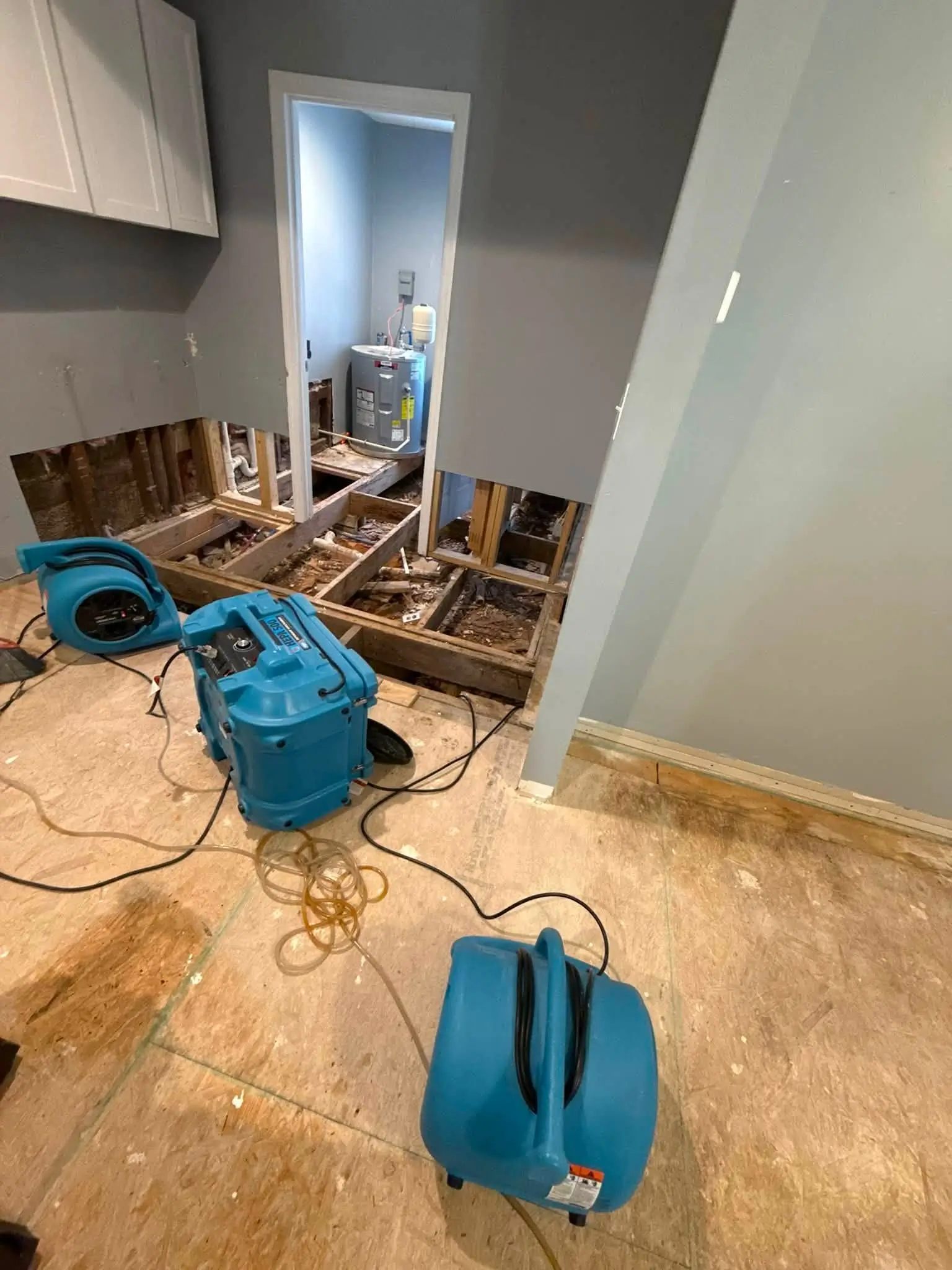
Visible damage is checked against moisture readings and likely water pathways. The map can include flooring, subfloors, walls, ceilings, insulation, cabinets, adjacent rooms, and lower units.
3
Water Control and Residential Protection
Standing water is addressed, unaffected rooms are protected, and belongings are moved or covered as required. The source must be repaired or isolated before the property can remain dry.
4
Cleaning, Removal, and Structural Drying
Contaminated residue and unsalvageable materials are handled according to the water source and material condition. Retained structures are dried under a measured plan with progress monitoring.
5
Occupancy Review
Residential use may fall into one of three practical conditions:
Continued occupancy:
Residents can remain in clearly separated, unaffected rooms with safe access to exits and essential facilities.
Restricted occupancy:
Part of the home can remain in use, but affected rooms, work zones, or specific access routes are closed temporarily.
Temporary relocation:
Conditions involving sewage, extensive demolition, unsafe utilities, blocked exits, major flooding, or widespread disruption may make temporary relocation the safer practical option.
Water Damage Restoration NYC documents restoration conditions and access restrictions. We do not issue medical clearance or make a legal determination of habitability.
6
Drying and Repair Handoff
The residential restoration phase reaches a measurable handoff when:
- The active source has been corrected or isolated.
- Standing water and contaminated residue are addressed.
- Removed materials are documented.
- Retained materials reach the approved drying condition.
- Belongings have a recorded status.
- Essential access and room restrictions are explained.
- Remaining repair requirements are defined.
- The responsible decision-maker receives the next-step scope.
Insurance Documentation and Repair
Residential water damage often involves separate questions about the building, personal belongings, temporary living arrangements, and the cause of the loss.
Our project documentation can include:
- Apparent water source
- Date and visible initial condition
- Rooms and materials affected
- Water-category observations
- Photographs and moisture findings
- Emergency protection performed
- Materials removed or retained
- Contents condition and authorized disposal
- Drying records
- Access and occupancy restrictions
- Repair recommendations
- Work assigned to another trade
Water Damage Restoration NYC documents the observed condition and restoration work. The insurance carrier determines coverage, deductibles, depreciation, temporary accommodation benefits, authorization, and payment.
Once drying is verified, damaged walls, ceilings, flooring, trim, paint, or cabinets can move into the dedicated water damage repair in Brooklyn scope.
Brooklyn Residential Project
A Brooklyn residential project is managed around the occupied property, not treated as an empty construction site.
Our project record follows six checkpoints:
1
Occupants
Who lives in the property, what essential access they require, and whether any resident needs additional assistance.
2
Property Control
Who can authorize access, material removal, belongings handling, and changes to the scope.
3
Affected Area
Which rooms, units, materials, contents, and shared spaces are involved.
4
Disruption Plan
Which rooms remain usable, where equipment will operate, when access is required, and how shared areas will be protected.
5
Restoration Evidence
Initial photographs, moisture readings, removal records, drying progress, contents decisions, and repair recommendations.
6
Final Handoff
What is dry, what remains restricted, what repairs are needed, and what responsibilities belong to the resident, owner, building management, insurer, or another trade.
What the Service Includes and Does Not Include
Residential Restoration Can Include
- Residential water-damage assessment
- Occupant safety and access planning
- Moisture inspection and mapping
- Water control and extraction coordination
- Protection of unaffected rooms
- Belongings assessment and protection
- Contaminated-material decisions
- Structural drying and monitoring
- Photo and moisture documentation
- Occupancy and disruption instructions
- Repair-scope handoff
Not Automatically Included
- Permanent plumbing or roof repair
- Electrical, gas, or HVAC repair
- Legal habitability determination
- Medical or indoor-air clearance
- Mold remediation requiring a separate scope
- Asbestos or lead testing
- Full contents pack-out unless approved
- Major reconstruction
- Temporary accommodation costs
- Insurance coverage or claim approval
- Work outside the inspected area
Final inclusions depend on the source, contamination category, affected materials, number of rooms or units, property access, occupancy, and inspection findings.
Why Choose Water Damage Restoration NYC?
The Plan Includes the People Living There
We establish safe rooms, restricted areas, essential access, and occupant needs before treating the property like a standard work zone.
Belongings Are Part of the Initial Scope
Furniture, clothing, documents, electronics, and personal items are protected, classified, or documented instead of being addressed after structural work has already started.
Brooklyn Property Coordination Is Defined
Water Damage Restoration NYC serves properties across NYC, while this service is organized specifically for Brooklyn homeowners, tenants, landlords, and residential building decision-makers.
Completion Has a Clear Residential Handoff
You receive a record of what is dry, what remains restricted, what belongings were handled, and what must happen before full use or finished repair.
Frequently Asked Questions
You need residential restoration when a leak, overflow, backup, or flood affects living areas, belongings, building materials, utilities, or another residential unit.
Call promptly when water is spreading, materials remain wet, or the loss affects a ceiling, wall cavity, floor, basement, or occupied room.
The service can include assessment, occupant protection, moisture mapping, water control, belongings protection, cleanup, material removal, structural drying, documentation, and repair planning.
The final scope depends on the source, contamination, affected materials, occupancy, and property access.
Our estimated arrival in Brooklyn is 1–2 hours, subject to traffic, weather, parking, building entry, elevator access, and current demand.
The project timeline depends on the number of affected rooms or units, water category, material saturation, drying progress, management approvals, and repair requirements.
Cost depends on the source, affected area, material type, contamination level, extraction needs, demolition, equipment, monitoring, belongings handling, and repairs.
A limited supply-line leak affecting one room has a different scope from contaminated water moving through several apartments.
Yes. We can document the apparent source, affected rooms, moisture conditions, belongings, emergency actions, removed materials, drying progress, and repair requirements.
The insurer determines whether each part of the loss is covered and what documentation or authorization it requires.
Restore Your Brooklyn Home With a Clear Residential Plan
Water damage inside an occupied home affects more than walls and flooring. It can interrupt bathrooms, bedrooms, utilities, belongings, access, and daily routines.
Call Water Damage Restoration NYC at +19172034372 for residential water damage restoration in Brooklyn. We will confirm the estimated 1–2 hour arrival, inspect the affected areas, and explain how occupants, belongings, drying, and repairs will be managed.