Fire-Suppression Water Damage Cleanup in Brooklyn
1–2 Hour Estimated Arrival
Multi-Floor Moisture Inspection
Water Restoration Kept Separate From Fire Cleanup
Documented Drying and Repair Handoff
Immediate Actions After Firefighting Water
- Stay away from unstable ceilings, floors and walls. Fire, heat and absorbed water can weaken materials.
- Do not reconnect utilities yourself. Electrical, gas and other building systems may require professional inspection before use.
- Keep away from wet electrical equipment. Water may have reached outlets, panels, wiring, fixtures, elevators or mechanical equipment.
- Avoid disturbing soot, ash or burned debris. Fire residues can become airborne during cleanup and may require a separate fire-damage scope.
- Move dry contents only when the area is safe. Prioritize documents, electronics, furniture, inventory and belongings that have not been exposed.
- Photograph water conditions before unnecessary material movement. Record standing water, ceiling damage, wet walls, floors and affected contents.
- Call Water Damage Restoration NYC for the water-loss portion of the recovery. Smoke, soot, char and direct fire damage remain separate from this service.
Our estimated Brooklyn arrival is 1–2 hours, subject to FDNY or DOB access restrictions, traffic, parking, building conditions and current emergency demand.
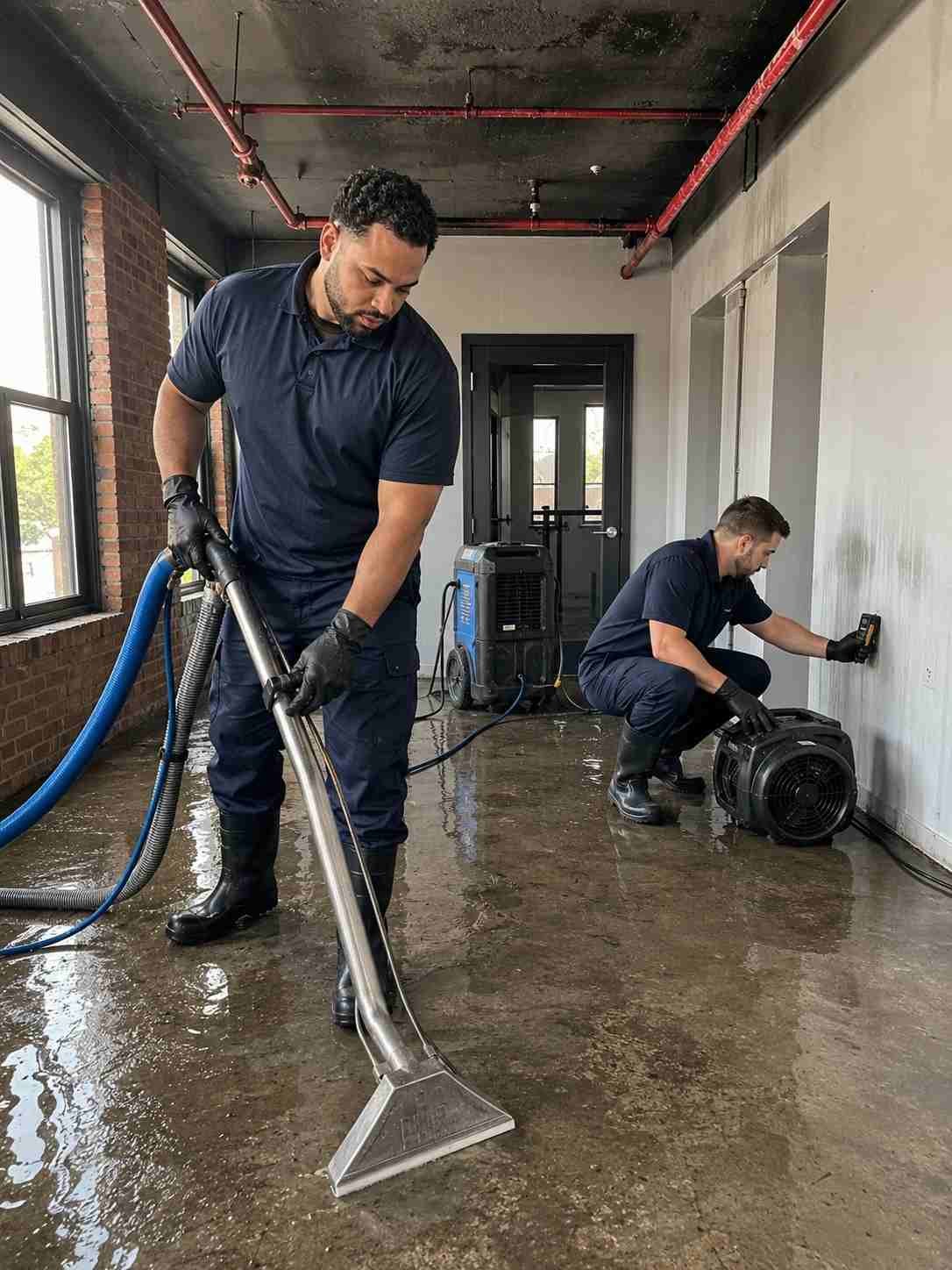
How Water Released During Fire Suppression Causes Water Damage
Once Released, Water Can:
- Strike ceilings and walls under pressure
- Pool across floors
- Run down stairways
- Enter elevator or utility areas
- Pass through floor penetrations
- Move through wall and ceiling cavities
- Saturate insulation and framing
- Travel into units or commercial spaces below
Where the Water Usually Travels
First Affected Area
Inspection begins where firefighting water was concentrated.
Depending on the fire location and suppression approach, this may include:
- The room of origin
- Hallways
- Stairwells
- Adjacent rooms
- Apartment floors
- Commercial floor areas
- Ceiling assemblies
- Doorways
- Mechanical or utility spaces
Standing water on the floor shows only part of the loss.
Ceilings, upper walls and concealed cavities may have absorbed water before the floor began collecting it.
Hidden Cavities
Suppression water can enter:
- Drywall cavities
- Plaster and lath
- Ceiling plenums
- Insulation
- Wood framing
- Pipe and mechanical chases
- Built-up floor assemblies
- Cabinet voids
- Wall-floor intersections
Moisture can remain after surface water has been extracted.
Water damage can cause wood deterioration, swelling of composite materials, damage to plywood and laminates, corrosion and electrical problems. Deeply wet plaster, wood, concrete, masonry and multilayer assemblies can also require more intensive drying than exposed surface materials.
Floor Below
Vertical migration is a major concern after firefighting.
Water may pass through:
- Pipe penetrations
- Floor joints
- Stair openings
- Mechanical shafts
- Ceiling cavities
- Wall intersections
- Light-fixture openings
- Framing gaps
A fire confined to one apartment or commercial suite can therefore create water damage on several lower floors.
Water Damage Restoration NYC follows the downward path until the moisture boundary is established.
Adjacent Rooms
Fire hose water can move horizontally beneath flooring or above ceilings before dropping into another space.
Adjacent apartments, offices, corridors, storage areas or rooms may require inspection even when they were outside the immediate fire area.
The restoration boundary follows the water path, not the fire boundary alone.
Who Repairs the Source and Who Restores the Damage?
Access and Separate Source Issues
- If the fire damaged a building system that continues releasing water, the appropriate licensed trade handles that separate problem.
What Water Damage Restoration NYC Handles
- Firefighting-water assessment
- Standing-water extraction
- Moisture mapping
- Multi-room inspection
- Lower-floor inspection
- Contents protection
- Selective wet-material removal
- Structural drying
- Moisture monitoring
- Water-damage documentation
- Interior repair planning
Our scope does not automatically include:
- Smoke removal
- Soot cleaning
- Fire odor treatment
- Charred-material cleanup
- Fire debris removal
- Structural fire repair
- Fire-system repair
Keeping those scopes separate makes it clear which damage is being addressed and prevents fire restoration from being mixed into a water-damage page.
Restoration Plan: Focus on Extraction, Drying and Repair While Excluding Smoke and Fire Restoration
1. Confirm Safe Restoration Access
Before water work begins, the property must be available for restoration access.
If FDNY, DOB or building management still restricts entry, those controls take priority.
2. Separate Water Damage From Direct Fire Damage
Each affected area is evaluated for:
- Water saturation
- Smoke or soot
- Burned materials
- Fire debris
- Structural damage
- Areas affected by more than one condition
The water-restoration scope then follows the water-specific damage.
3. Map Water by Room and Floor
We document the location of standing water, wet ceilings, walls, floors and lower-level migration.
Larger properties may require the moisture map to be organized separately by unit, room or floor.
4. Extract Accessible Water
Standing water is removed from accessible floors and other surfaces.
Extraction reduces the immediate water load but does not establish that ceilings, wall cavities or flooring systems are dry.
5. Inspect Concealed Materials
Moisture checks can extend into drywall, plaster, insulation, framing, flooring layers and connected spaces.
Materials that cannot be adequately retained because of physical damage, contamination or inaccessible saturation may require selective removal.
6. Dry Retained Assemblies
The drying plan follows the actual moisture load.
Water-damage restoration commonly progresses from assessment and moisture mapping to extraction, structural drying, monitoring and repair once retained materials reach the required drying condition.
7. Define the Repair Handoff
The water-restoration stage reaches its handoff when:
- Accessible standing water is removed
- Water-affected materials have been evaluated
- Required selective removal is complete
- Retained materials meet the drying target
- Lower floors and adjacent spaces have been checked where required
- Remaining interior water-damage repairs are documented
Smoke, soot and direct fire restoration remain outside that handoff unless separately contracted.
Water Damage Ends With Verification, Not Just Extraction
The water-restoration stage reaches its handoff after accessible standing water is removed, water-affected materials have been evaluated, required selective removal is complete, retained materials meet the drying target, lower floors and adjacent spaces have been checked where required, and remaining interior water-damage repairs are documented.
Smoke, soot and direct fire restoration remain outside that handoff unless separately contracted.
Materials Commonly Affected
Drywall
Plaster
Insulation
Wood framing
Hardwood
Carpet and padding
Laminate
Ceiling tile
Concrete and masonry
Contents
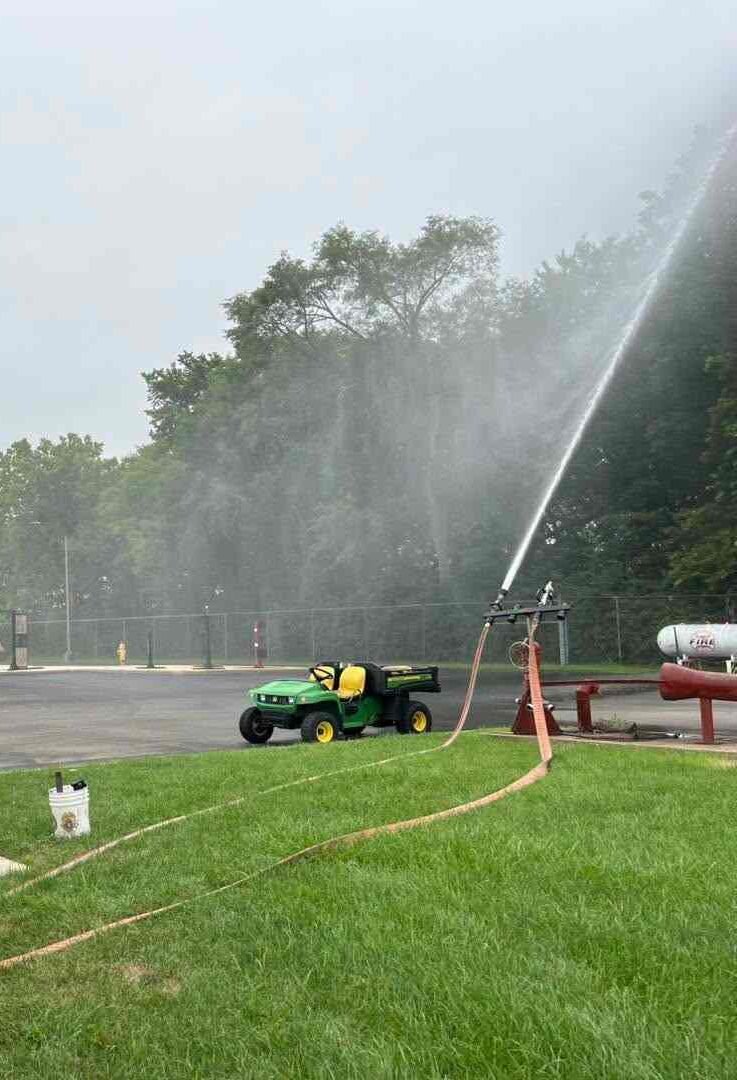
A Brooklyn Firefighting Water Project
Insurance Documentation for This Cause
Documenting the loss before damaged property is discarded is also part of NYC’s general post-fire guidance.
Water Damage Restoration NYC documents observed conditions and water-restoration work. The insurer determines coverage, claim classification, authorization, deductibles and payment.
Water Damage Restoration NYC Can Document:
- Fire-suppression water areas
- Date of restoration access
- Initial standing-water conditions
- Rooms, units and floors affected
- Ceiling, wall and flooring damage
- Moisture-reading locations
- Contents affected by water
- Materials removed or retained
- Extraction work
- Drying progress
- Remaining water-damage repairs
What the Service Includes and Does Not Include
Fire-Suppression Water Cleanup Can Include
- Emergency water-damage assessment
- Standing-water extraction
- Multi-room moisture mapping
- Multi-floor water inspection
- Ceiling and wall-cavity inspection
- Contents protection from water
- Selective water-damaged material removal
- Structural drying and monitoring
- Water-damage documentation
- Interior water-damage repair handoff
Not Automatically Included
- Smoke and soot cleanup
- Fire odor removal
- Burned-material removal
- Structural fire repair
- Fire alarm or suppression-system repair
- Electrical system clearance
- Lead or asbestos testing
- Major fire reconstruction
- Insurance coverage decisions
- Work outside the confirmed water scope
Why Choose Water Damage Restoration NYC?
We Separate Firefighting Water From Fire Damage
Water Damage Restoration NYC focuses this service on extraction, moisture migration, drying and water-related repairs rather than combining every post-fire condition into one generic scope.
We Inspect Beyond the Fire Room
Suppression water can travel through floors, walls, stairways and mechanical openings, so inspection can extend to adjacent spaces and lower levels.
We Document Water Damage by Area
In multifamily and commercial Brooklyn properties, affected rooms, units and floors can be mapped separately for a clearer drying and repair handoff.
Drying Has a Defined Completion Point
The job does not end when standing water disappears. Retained building materials are monitored before water-damage repairs move forward.
Water Damage Restoration NYC provides restoration services throughout NYC, while this service is specifically focused on firefighting-water damage in Brooklyn apartments, homes, multifamily buildings and commercial properties.
Frequently Asked Questions
Wait until the Fire Department says the property is safe to enter, avoid damaged electrical and structural areas, and then arrange water removal. Call Water Damage Restoration NYC at +1 (917) 203-4372 once restoration access is permitted.
Firefighting water is controlled by the responding fire service rather than by a normal household shutoff. If a damaged sprinkler, plumbing or building system continues leaking afterward, the appropriate licensed trade handles that separate source.
We follow the suppression area through ceilings, wall cavities, penetrations, flooring assemblies and lower levels using moisture inspection. The visible fire area is not automatically the complete water-damage boundary.
Materials that are physically damaged, contaminated or unable to be effectively dried may require selective removal. Wet insulation, damaged drywall, ceiling tile, carpet padding and swollen composite products are common examples.
Yes. Water Damage Restoration NYC can document standing water, moisture readings, affected rooms and floors, extraction, material decisions, drying progress and water-related repairs separately from smoke, soot and burned-material damage.
The insurance carrier makes the final coverage and claim decisions.
Call for Fire-Suppression Water Damage Cleanup in Brooklyn
Our estimated arrival is 1–2 hours, subject to FDNY or DOB clearance, traffic, parking, building access and current emergency demand.