WATER DAMAGE RESTORATION NYC
Hardwood Floor Water Damage Drying and Repair in Brooklyn
Water Damage Restoration NYC provides hardwood floor water damage service in Brooklyn for wet, cupped, crowned or buckled wood flooring. We measure moisture through the floor assembly, determine what can be dried and retained, and define repairs before replacement starts.
Hardwood Floor Response
1–2 Hour Estimated Arrival
Hardwood Moisture Assessment
Salvage Decision Before Removal
Drying Verified Before Repair
Warning Signs in Hardwood Floors
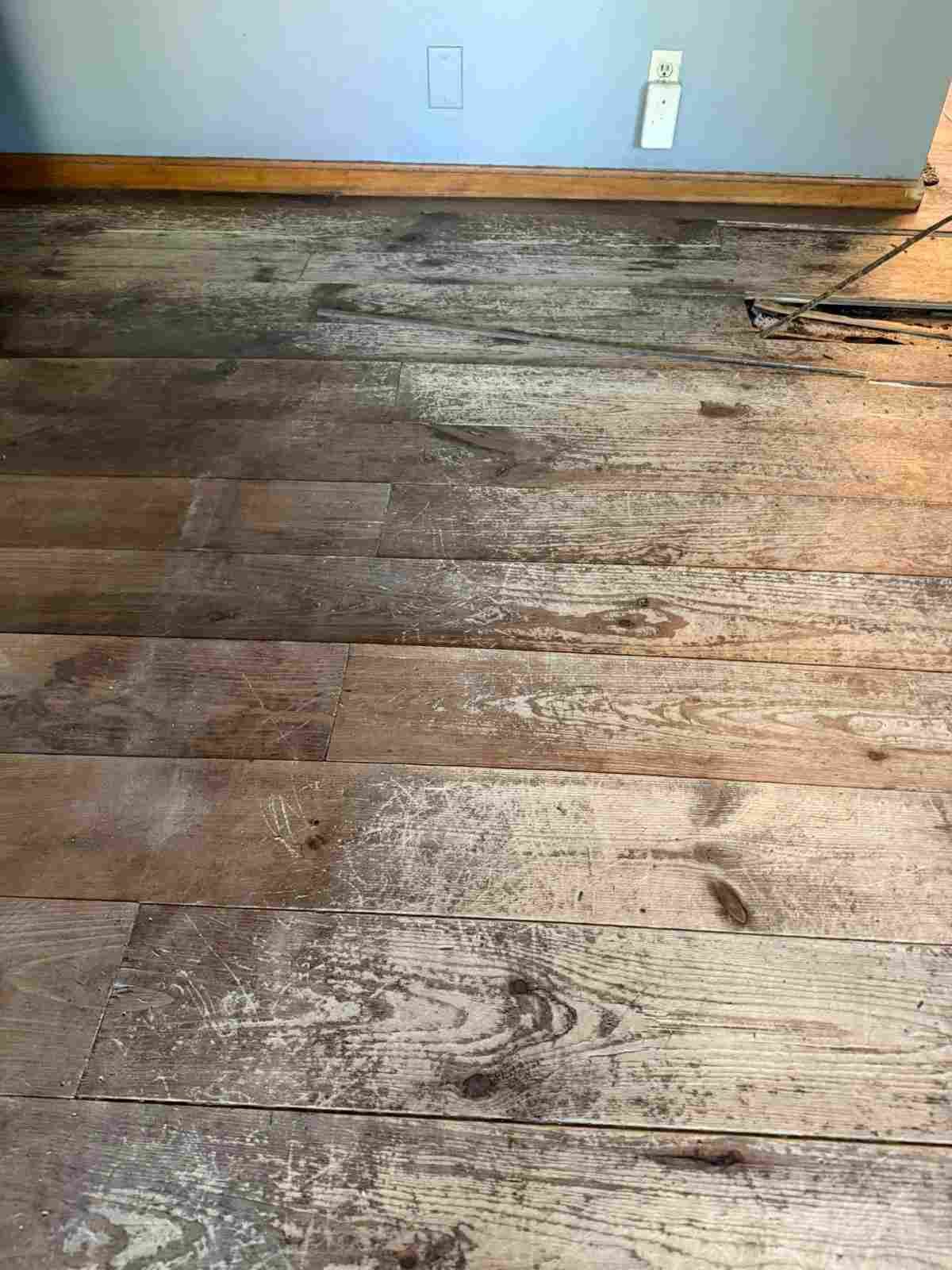
Water-damaged hardwood does not always fail immediately. The first change may be small movement between boards while moisture remains underneath.
Arrange an inspection if you notice:
- Board edges lifting higher than the centers
- Raised or uneven board centers
- Buckled boards lifting away from the subfloor
- New gaps or movement between boards
- Darkening around seams
- Finish turning cloudy or discolored
- Water appearing between boards when pressure is applied
- Damp baseboards beside the floor
- A soft or unstable section underfoot
- Staining that continues beyond the visible spill area
- A damp or musty odor near the floor
- Ceiling staining in the room or apartment below
- Hardwood boards cupping or crowning
- Floorboards lifting at the edges
- Laminate swelling at joints
- Vinyl bubbling or releasing
- Carpet remaining damp after surface extraction
- Soft or uneven areas underfoot
- Darkened seams between floorboards
- Loose tiles or changes around grout joints
- Swollen thresholds or baseboards
- Water appearing between flooring joints
- A musty odor close to the floor
- Moisture returning after the floor was previously dried
- Ceiling staining in the room or apartment below
Wood responds to moisture by changing dimension. Cupping typically produces higher board edges and a lower center when moisture conditions differ through the thickness of the board.
Do not sand a recently wet hardwood floor just because the boards have changed shape. The first decision is whether moisture is still present in the wood or subfloor.
How We Inspect the Full Moisture Footprint
A hardwood floor inspection needs to answer more than whether the surface is wet.
Water Damage Restoration NYC evaluates:
- The original water source
- Visible water boundary
- Hardwood type and construction
- Direction of board movement
- Floor seams and perimeter edges
- Transitions into adjoining rooms
- Moisture conditions in affected and unaffected comparison areas
- Accessible subfloor conditions
- Baseboards and wall-floor intersections
- The ceiling below when downward migration is possible
- Hardwood or engineered wood
- Laminate
- Vinyl or resilient flooring
- Tile
- Carpet
- Carpet padding
- Underlayment
- Plywood or OSB subfloor
- Wood framing or joists beneath the subfloor
- Concrete slab in below-grade or ground-level spaces
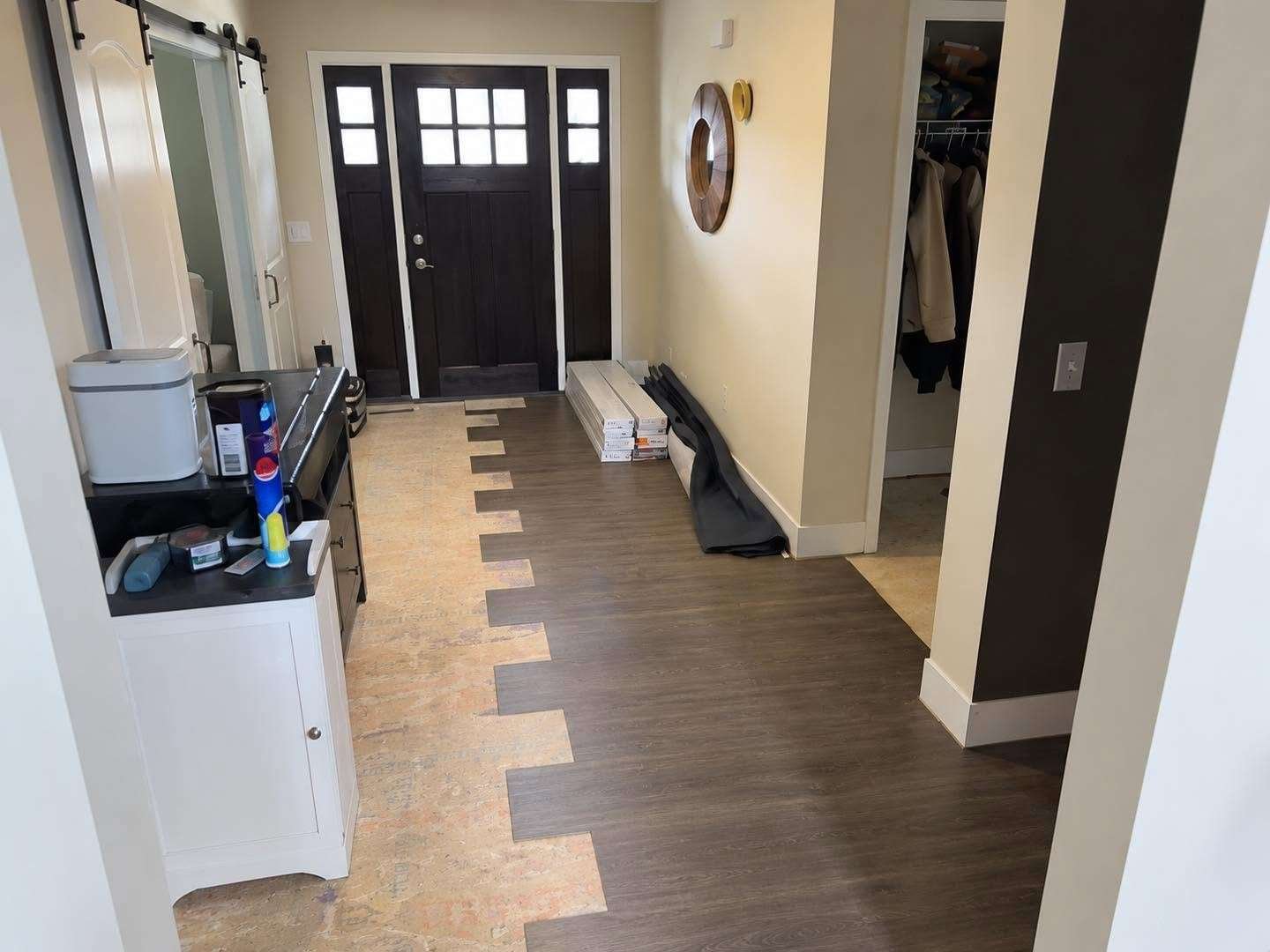
We also establish how the floor is installed.
A nailed wood floor over plywood behaves differently from engineered flooring bonded to another substrate. Water can reach the underside through seams, perimeter gaps, plumbing penetrations or the subfloor even when much of the finish still looks normal.
The objective is to identify the actual wet wood assembly, not automatically replace every board inside the room.
Can the Hardwood Floors Be Saved?
Often, yes. Wet hardwood does not automatically mean the entire floor requires replacement.
The decision depends on moisture depth, water source, board condition, installation, subfloor condition and whether the wood continues responding to controlled drying.
Dry-in-Place Conditions
Drying and retention may be considered when:
- The water source has been stopped
- The water condition permits material salvage
- Boards remain structurally intact
- Severe delamination is not present
- Buckling has not permanently released the floor from its fastening system
- The supporting subfloor can also be dried
- Moisture readings show consistent progress
- The assembly can release moisture without trapping it beneath another layer
Wood can retain water more deeply than its surface appearance suggests. Water-damage classification recognizes wood and multilayer floor assemblies as materials where deeply held moisture may require more intensive or longer drying.
EPA guidance also recommends removing moisture promptly from wet wood and using controlled air movement and dehumidification, with particular caution around the use of heat on hardwood flooring.
Removal Conditions
Selective hardwood removal becomes more likely when:
- Boards are severely buckled
- Fasteners or adhesive bond have failed
- Engineered layers have delaminated
- Boards are split or permanently deformed
- Moisture cannot escape from beneath the flooring
- The subfloor requires access
- Contamination makes retention unsuitable
- Repeated wetting has materially damaged the wood
- Drying measurements stop showing meaningful progress
Removal does not automatically mean replacing the entire room.
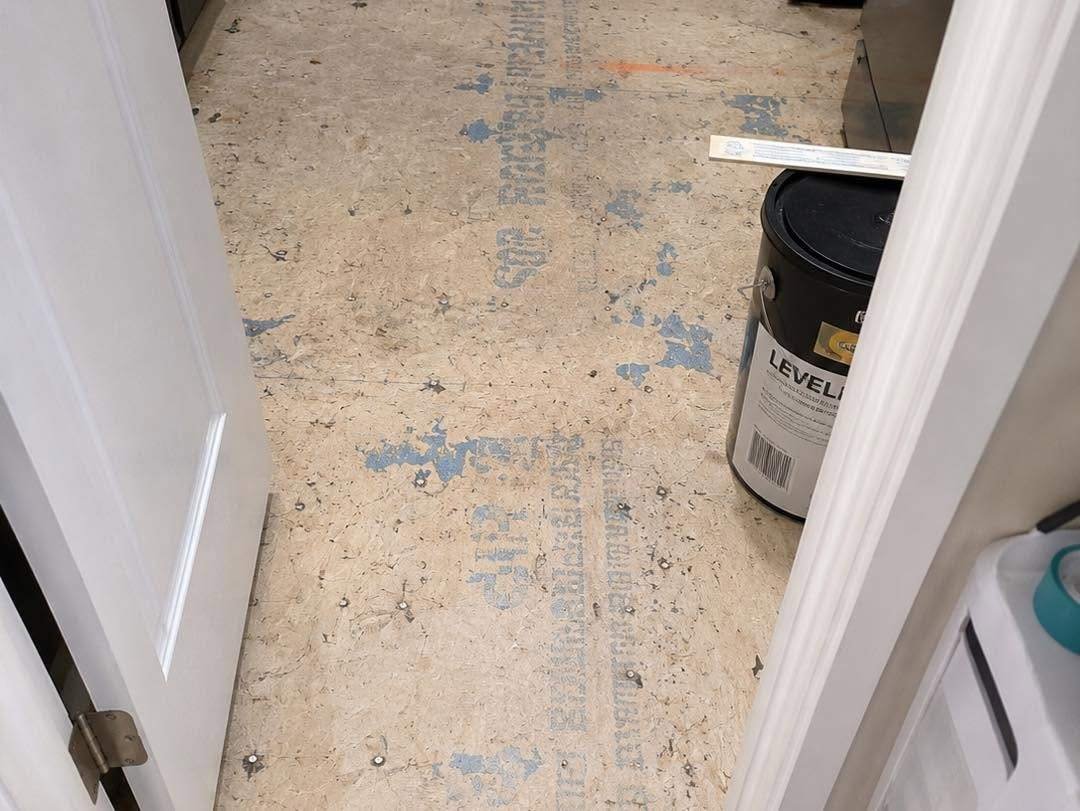
The affected boundary may involve a section beside an appliance, bathroom threshold or wall while stable flooring outside the moisture footprint remains untouched.
Contamination Conditions
The water source matters.
Hardwood affected by a recent supply-line leak is not evaluated the same way as flooring exposed to sewage, groundwater or surface floodwater.
Water-damage categories distinguish lower-contamination supply-water events from groundwater, drain-related and grossly unsanitary flood sources. Those differences affect cleaning and salvage decisions, especially where water entered board joints or reached the subfloor.
Drying and Restoration Method for Hardwood Floors
1. Stop the Water Source
The appropriate plumber, appliance technician, roofer or other trade corrects the cause.
Water Damage Restoration NYC focuses on the damage already inside the flooring assembly.
2. Remove Surface Water
Accessible water is extracted before evaluating deeper moisture.
This limits further absorption but does not establish that the hardwood or subfloor is dry.
3. Map Wet Boards and Supporting Layers
We compare affected sections with suitable dry reference areas and follow moisture across board seams, thresholds and wall edges.
Where necessary, the inspection includes the subfloor beneath the hardwood.
4. Decide Whether Drying Can Proceed With the Floor in Place
Stable hardwood may be retained while drying continues.
The strategy depends on whether moisture is concentrated near the surface, held through the board thickness or trapped beneath the flooring.
5. Create Access Only Where Required
If damaged boards prevent the assembly beneath them from drying, selective access may be required.
The goal is to expose the wet structure without turning a localized loss into unnecessary whole-room demolition.
6. Dry the Wood and Subfloor Together
Drying only the visible hardwood while leaving a wet plywood or OSB layer underneath can leave the assembly incomplete.
EPA guidance specifically notes that when flooring is wet, underlying floor material must also be dried.
7. Monitor Before Refinishing or Repair
Board shape alone is not the completion test.
Moisture conditions are monitored so sanding, refinishing or replacement does not begin over wood that is still releasing excess moisture.
When Repair or Replacement Is Required
Hardwood repair or replacement depends on board condition, moisture response and the supporting layers beneath the finish.
Mild cupping with stable boards
Dry first and reassess after moisture stabilizes
Moderate cupping
Continue controlled drying before deciding on finish correction
Crowning
Determine moisture history and board condition before refinishing
Severe buckling
Selective or larger-area replacement may be required
Darkened but structurally stable boards
Evaluate moisture and finish condition
Split boards
Replace damaged pieces where practical
Engineered wood with delamination
Replacement becomes more likely
Wet plywood subfloor beneath intact hardwood
Dry both layers before finish decisions
Contaminated water beneath boards
Salvage threshold becomes more restrictive
Stable dry wood with finish damage only
Refinishing may be considered
Cupping or movement should not automatically be corrected cosmetically while moisture remains uneven through the flooring. Wood flooring responds to environmental moisture changes, so the moisture condition needs to stabilize before the final appearance is judged.
A Brooklyn Hardwood Floors Project
For a typical Brooklyn hardwood-water-loss project, the inspection starts at the release point and follows the boards outward.
Consider water from a dishwasher or kitchen supply connection. The exposed puddle may stop at the cabinet line, while moisture moves beneath adjoining hardwood toward a hallway.
We would compare the visibly affected boards with nearby flooring, check movement and moisture patterns, inspect accessible perimeter areas and determine whether the subfloor also became wet.
If the boards remain bonded and structurally suitable, drying can continue before replacement is considered. If a smaller section has buckled or the supporting layers require access, those boards can be separated from the area that remains salvageable.
This distinction matters in Brooklyn’s dense housing environment. Kings County had 1,141,824 housing units in 2025, while only 29.5% of occupied housing units were owner-occupied during 2020–2024. A wet hardwood assembly may therefore require coordination with tenants, landlords, superintendents or property managers, especially where water also reaches the ceiling of a unit below.
The floor moves to repair only after retained wood and supporting materials reach the established drying condition.
Causes That Commonly Damage This Area
Hardwood flooring can be affected by several water sources.
Appliance leaks
Appliance leaks can release water beneath refrigerators, dishwashers and washing machines before it spreads through board joints.
Sink and bathtub overflows
Sink and bathtub overflows can cross thresholds into adjoining hardwood.
Upstairs apartment leaks
Upstairs apartment leaks may wet the floor in the source unit while also damaging the ceiling below.
Burst or leaking pipes
Burst or leaking pipes can saturate hardwood from a wall edge or beneath the floor.
Radiator and heating-pipe leaks
Radiator and heating-pipe leaks commonly affect wood around pipe penetrations and radiator feet.
Stormwater, groundwater or basement flooding
Stormwater, groundwater or basement flooding creates a different contamination and salvage decision from a clean internal leak.
This service focuses on the hardwood-floor response. Source repair belongs to the appropriate trade or dedicated cause service.
What the Service Includes and Does Not Include
Hardwood Floor Water Damage Service Can Include
- ✓ Hardwood moisture assessment
- ✓ Wet-area moisture mapping
- ✓ Surface-water extraction
- ✓ Subfloor inspection where accessible
- ✓ Cupping, crowning and buckling assessment
- ✓ Salvage-versus-removal decision
- ✓ Selective board removal where required
- ✓ Wood and subfloor drying
- ✓ Moisture monitoring and documentation
- ✓ Repair/refinishing handoff
Not Automatically Included
- × Plumbing repair
- × Appliance repair
- × HVAC or heating-system repair
- × Permanent waterproofing
- × Electrical work
- × Lead or asbestos testing
- × Unrelated mold remediation
- × Full-floor replacement without inspection
- × Insurance coverage decisions
- × Work beyond the confirmed damage area
Final scope depends on the water source, contamination, wood construction, installation method, subfloor, board movement and measured moisture condition.
Why Choose Water Damage Restoration NYC?
We Treat Hardwood as a Layered Assembly
We look beyond the finish into board thickness, perimeter migration and supporting subfloor conditions.
We Give the Wood a Salvage Test Before Recommending Replacement
Cupped flooring is not automatically demolished. Board stability, water condition and drying progress determine the next step.
We Separate Drying From Cosmetic Repair
Sanding, staining and refinishing come after the moisture condition is resolved—not while wet wood is still changing dimension.
We Verify the Floor Before Repair Handoff
Water Damage Restoration NYC provides restoration services across NYC, while this service is specifically focused on hardwood floor water damage in Brooklyn apartments, houses, multifamily buildings and commercial properties.
Our estimated Brooklyn arrival is 1–2 hours, subject to traffic, weather, parking, building access and current service demand.
Frequently Asked Questions
Yes, many wet hardwood floors can be considered for drying when the boards remain structurally sound and the water condition permits salvage. Severe buckling, delamination, contamination or inaccessible moisture beneath the floor can make replacement more likely.
We inspect the visible boards, seams, perimeter, transitions and accessible subfloor rather than relying on the top surface alone. The ceiling below may also be checked where water could have passed through the floor assembly.
Removal becomes more likely when boards are severely buckled, split, delaminated, contaminated or preventing the subfloor from drying. Selective removal may be enough when damage is limited to one section.
There is no fixed drying time for every hardwood floor. Wood species, board thickness, installation, finish, subfloor material, water volume and moisture depth all influence drying time.
Repair may include replacing selected boards, correcting remaining surface damage, sanding or refinishing after the hardwood and subfloor have stabilized. The exact finish work depends on the condition left after drying.
Call for Hardwood Floor Water Damage Service in Brooklyn
Cupping, crowning or buckling does not tell you by itself whether a hardwood floor is lost. The more important question is how much moisture remains in the wood and the layers beneath it.
Our estimated arrival is 1–2 hours. We will map the wet area, evaluate board and sub floor condition, determine what can be retained and establish the drying and repair scope.