Emergency Water Removal and Extraction in Brooklyn
Water Damage Restoration NYC removes accessible standing and recoverable absorbed water from Brooklyn homes and buildings. Our 1–2 hour arrival window helps limit further spread, while an inspection-led extraction scope defines the method, access requirements and handoff to structural drying.
1–2 Hour Brooklyn Arrival Window
NYC-Wide Company Serving Brooklyn
Surface-Specific Extraction Planning
Before-and-After Extraction Documentation
When Standing Water Requires Professional Extraction
Call for emergency water removal in Brooklyn when water is pooling, rising, moving between rooms or passing into the unit below.
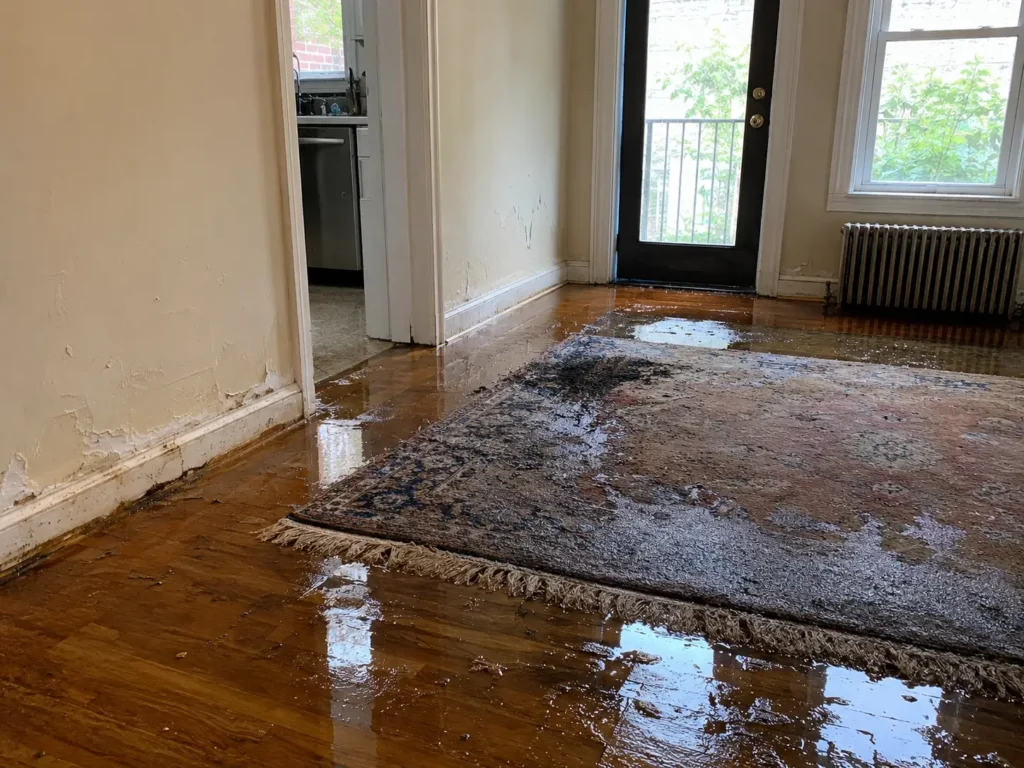
Water should also be professionally assessed when it has entered carpet padding, floor seams, wall edges, closets, stair landings or other areas that cannot be cleared with ordinary household tools.
Water Damage Restoration NYC provides extraction services across New York City, with this service structured specifically for Brooklyn properties. Our work on this page is limited to physically removing accessible standing water and recoverable water held in affected surfaces.
The extraction decision is based on:
- Whether the water source has stopped
- The source and contamination condition
- The approximate affected area
- The visible water depth
- The materials in contact with water
- The amount of water those materials absorbed
- Equipment and hose access
- The permitted discharge route
- Whether water crossed into another unit
- The condition required before drying begins
Water Condition
Water from a clean supply line is not handled the same way as appliance discharge, groundwater or sewage. Water conditions can also worsen with time, temperature and contact with contaminated materials.
Electrical Safety
Do not enter standing water near electrical outlets, appliances, extension cords, panels or exposed wiring. Do not operate household electrical equipment while standing in water.
The Failed Source
The failed source must also be addressed. A plumber, roofer, appliance technician, drain specialist or building maintenance team may need to stop the release. Water extraction removes the resulting water. It does not permanently repair the source.
Brooklyn Property Coordination
Brooklyn had an estimated 1,141,824 housing units in 2025, while only 29.5% of occupied housing units were owner-occupied during 2020–2024. Extraction in a rental, condo, co-op or multifamily building may therefore require coordination with a landlord, superintendent, property manager or board representative.
Call +19172034372 with the address, property type, affected floor, approximate water depth and source status. We will provide the current dispatch position within our 1–2 hour arrival window.
Water Removal Methods for Different Surfaces
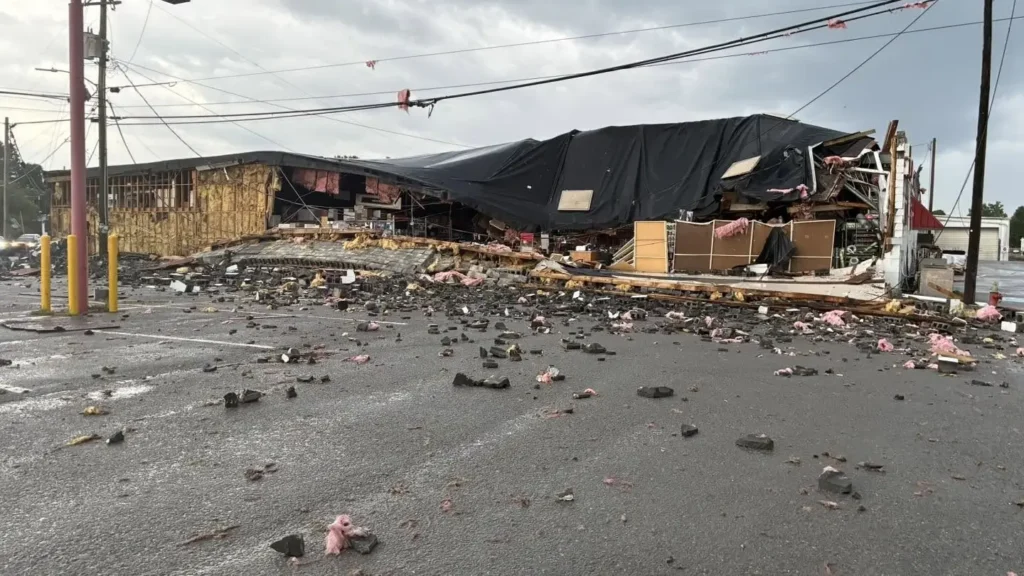
The correct method depends on water volume, depth, surface porosity, contamination, access and where extracted water can be discharged or contained.
Using the wrong method can leave recoverable water behind or push water farther into seams and adjoining materials.
Pump-Out
Pump-out is used when standing water has enough depth to be removed efficiently from an accessible low point.
Depending on the inspection, this may involve a submersible pump or another controlled pumping method. The discharge path must be appropriate for the water condition and building restrictions.
Pump-out planning considers:
- Water depth and estimated volume
- Basement, cellar or floor-level access
- Stair and doorway width
- Available power
- Sediment or debris
- The water source
- The approved discharge location
- Whether the water level is still rising
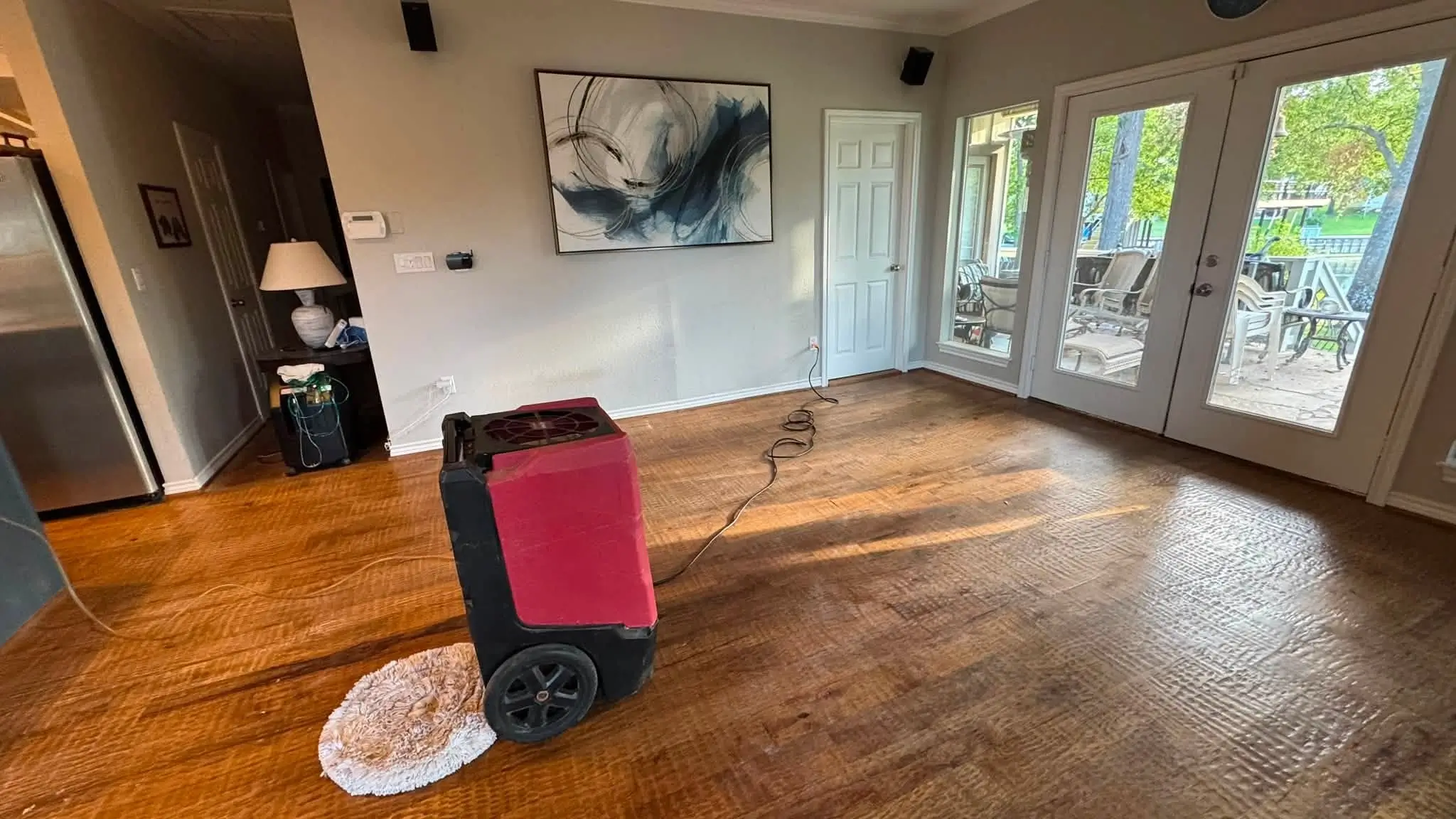
A pump removes bulk water. It may leave a shallow layer behind and cannot remove moisture absorbed into carpet, wood, plaster, masonry or subfloor materials. Surface extraction normally follows where required.
Truck-Mounted Extraction
Truck-mounted extraction may be selected when street position, hose routing and building access allow it.
The extraction route must account for building entrances, shared hallways, elevators, stairwells, doors and the distance between the service vehicle and affected area.
Truck access may be restricted by:
- Limited curb access
- Rear or interior units
- Upper-floor walk-ups
- Elevator reservations
- Narrow shared corridors
- Building-management rules
- Long hose routes
- Restricted loading areas
Where a truck-mounted setup is not practical, portable extraction methods may be routed into the property. The method should match the loss rather than being selected only because one machine is convenient.


Carpet Extraction
Carpet extraction removes recoverable water from carpet fibers and, where conditions permit, the carpet pad beneath them.
The inspection must determine whether the carpet system can remain in place. The decision is affected by the water source, exposure time, delamination, staining, odor, pad condition and whether water reached the subfloor.
Extraction may involve:
- Surface passes across the carpet
- Controlled extraction at room edges
- Access beneath removable sections
- Separate evaluation of carpet padding
- Inspection of tack strips and adhesive
- Post-extraction subfloor readings
A carpet that no longer releases water during extraction may still be damp. Extraction completion is not the same as drying completion.
Hard-Surface Removal
Hard-surface extraction addresses accessible water on tile, concrete, vinyl and other non-carpeted floors.
Water is collected from the open surface, floor edges, low points and accessible seams. The surface type determines how aggressively water can be removed without causing additional damage.
Tile may allow rapid surface collection, but water can remain beneath loose tiles or damaged grout. Vinyl can trap moisture at seams and edges. Concrete can absorb moisture even after the surface appears clear.
Wood and laminate flooring require a more cautious decision. Water may move through joints and become trapped beneath boards or underlayment. Surface extraction can remove recoverable water, but concealed moisture must be evaluated separately.
For a complete loss assessment, see our water damage inspection and moisture detection service.
What We Measure Before and After Extraction
Water extraction should produce a documented change in the property’s condition.
Before work begins, we identify and record the factors that control the extraction scope:
Before Extraction
- Known or suspected water source
- Whether the source is active or stopped
- Water condition and visible contamination
- Affected rooms, units and levels
- Approximate surface area
- Estimated standing-water depth
- Carpeted and hard-surface areas
- Water migration at walls and floor edges
- Accessible material moisture readings
- Equipment and hose route
- Building access restrictions
- Proposed discharge or containment route
Water volume may be estimated from the affected dimensions and average depth. Where the extraction method permits, removed volume may also be supported by equipment records or contained-water measurements.
The estimate is used for planning. It is not treated as exact when water has moved into cavities, porous materials or adjoining rooms.
After Extraction
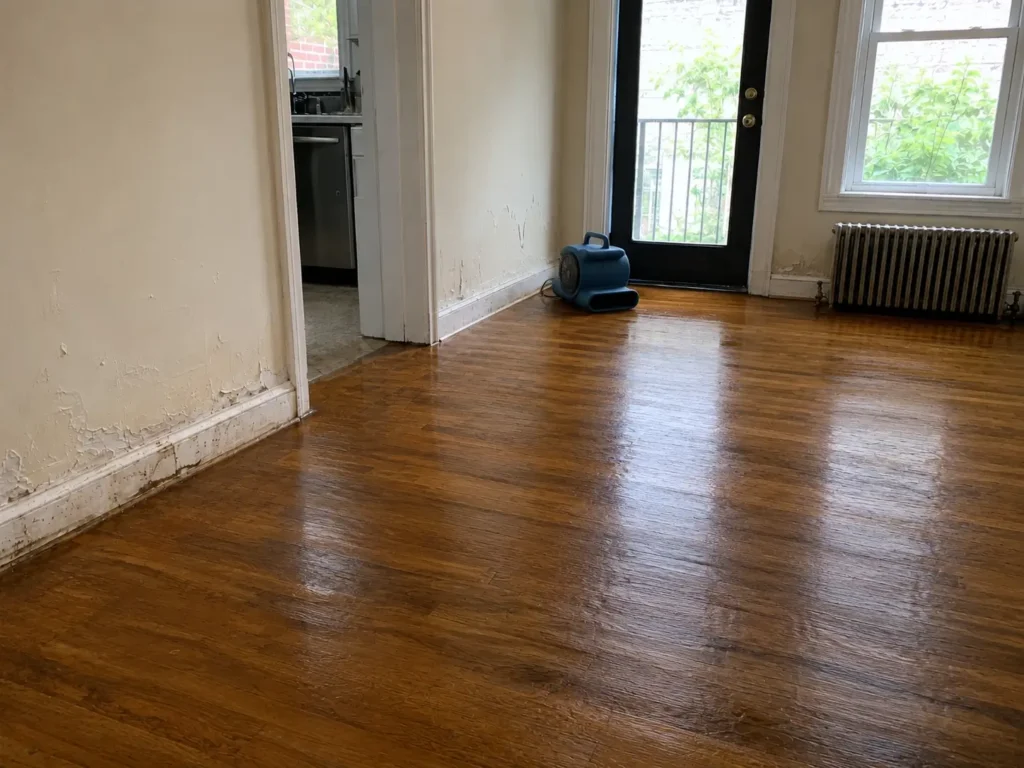
Extraction completion is assessed by confirming:
- Accessible standing water has been removed
- Final extraction passes recover little or no free water
- Floor edges and low points have been checked
- Carpet or surface condition has been recorded
- Post-extraction photographs are available
- Remaining material moisture has been mapped
- Areas requiring drying are identified
- Contaminated materials requiring separate work are listed
- Access restrictions or concealed areas are documented
The measurable outcome of this service is the removal of accessible free water and recoverable absorbed water within the approved extraction scope.
It is not a declaration that the complete structure is dry.
What Water Extraction Does Not Complete
Water extraction is one restoration stage. It does not complete every part of a water-damage job.
Extraction does not automatically include:
- Repairing the failed pipe, roof, appliance or drain
- Opening walls or ceilings without authorization
- Removing all moisture from structural materials
- Drying wall cavities, subfloors or framing
- Sanitizing sewage or heavily contaminated areas
- Removing mold
- Packing and storing the full contents of a property
- Replacing drywall, plaster, flooring or trim
- Determining insurance coverage
- Confirming that reconstruction can begin
When the loss extends beyond accessible water removal, we identify the next service instead of presenting extraction as full restoration.
For the complete Brooklyn service hub, see water damage restoration in Brooklyn.
The Next Step: Structural Drying
Structural drying begins after accessible standing water and recoverable surface water have been removed.
Extraction lowers the amount of water that must be removed through evaporation and dehumidification. The remaining drying plan depends on moisture held in walls, floors, plaster, masonry, insulation, wood and concealed assemblies.
Post-extraction readings determine:
- Which materials remain wet
- How far moisture traveled
- Whether finishes can remain
- Which areas require controlled airflow
- Where dehumidification is required
- Whether further access is necessary
- What condition must be reached before repair
Extraction equipment should not be confused with drying equipment. A pump or extraction unit physically removes recoverable water. Structural drying manages the moisture that remains after that removal stage.
Continue to our structural drying and dehumidification service when post-extraction readings show residual moisture.
Required repairs are considered later, after the source is controlled and the documented drying condition permits reconstruction. See water damage repair in Brooklyn.
What the Service Includes and Does Not Include
Service component
Included when required and authorized
Not included automatically
Emergency call assessment
Address, source status, water depth, affected floor and access review
Technical diagnosis of the failed plumbing or building system
Site access planning
Entry route, stairs, elevator, hallway and equipment-route review
Building fees, permits or access controlled by another party
Initial inspection
Visible water condition, affected area and extraction-method selection
Destructive inspection without authorization
Pump-out
Removal of accessible bulk standing water where depth and access permit
Sewer-line repair, drainage correction or groundwater control
Truck-mounted extraction
Extraction where vehicle placement and hose access permit
Guaranteed use where site access prevents safe setup
Portable extraction
Water removal in areas not practical for a truck-mounted route
Structural drying after recoverable water has been removed
Carpet extraction
Removal of recoverable water from approved carpeted areas
Guaranteed retention of carpet, padding or tack strips
Hard-surface removal
Collection of accessible water from approved hard surfaces
Removal of water trapped inside inaccessible assemblies
Limited contents movement
Movement of accessible items required to reach the extraction area
Complete pack-out, storage or contents restoration
Documentation
Initial photographs, extraction notes and post-extraction condition
Insurance coverage decisions or claim approval
Drying handoff
Identification of materials requiring further drying
Drying equipment operation under the extraction scope
Source-repair referral
Notice that another specialist is required
Plumbing, roofing, appliance or electrical repair
Reconstruction handoff
Identification of visible materials requiring later repair
Drywall, plaster, flooring, trim or finish replacement
All work depends on the inspection, source condition, water condition, material condition, access, authorization and safe equipment routing.
Why Choose Us
1. NYC Coverage With Brooklyn Dispatch
Water Damage Restoration NYC serves properties across New York City. Brooklyn extraction calls are routed around the building type, affected level, entry conditions and equipment-access requirements.
2. A 1–2 Hour Arrival Window
Our Brooklyn arrival window is 1–2 hours. The exact dispatch position depends on traffic, active calls, building entry and site access.
3. The Method Matches the Surface and Access
We distinguish pump-out, truck-mounted extraction, portable extraction, carpet extraction and hard-surface removal. The method is selected from the water volume, surface and practical route into the property.
4. Extraction Has a Defined Completion Point
We document the initial condition, work performed, post-extraction condition and areas requiring drying. A floor that looks clear is not treated as proof that the structure is dry.
Frequently Asked Questions
The exact time depends on traffic, active dispatches, building access and the affected location. Call +19172034372 with the address, floor and approximate water depth for the current dispatch position.
A shallow hard-surface extraction is not scoped like a cellar pump-out, saturated carpet system or multi-unit loss. Drying and repair should be priced separately when required.
The water source, exposure time and material condition determine whether carpet, padding, wood, laminate or other flooring can remain.
Post-extraction moisture readings determine whether structural drying is required.
When another apartment or common area is affected, provide the superintendent or property-manager contact during the first call.
Final CTA — Call for Emergency Service
Standing water can continue moving through floor edges, carpet systems and adjoining units after the source stops.
Call Water Damage Restoration NYC for a 1–2 hour Brooklyn arrival window, surface-specific extraction plan and documented handoff for any moisture that remains.
Emergency Service Form
Submitting the form does not guarantee an immediate response. For active water emergencies, call +19172034372.