Water Damage Restoration NYC
24/7 Emergency Water Damage Restoration in Brooklyn
Water Damage Restoration NYC provides emergency water damage restoration in Brooklyn to control active water, protect affected areas and establish the immediate stabilization scope. Call +19172034372 for first-call triage, a current arrival estimate and the next safe action.
- +19172034372
- 1 to 2 hours Arrival Time
24/7 Phone Coverage
Verified Reviews
Verified Credential
Business Proof
Emergency response criteria
When Water Damage Requires an Emergency Response
The first call determines urgency. The on-site inspection determines the preliminary condition and authorised scope.
Active or Spreading Water
Call for emergency response when water is still entering or spreading, standing water is present, a ceiling is sagging, sewage or outside floodwater may be involved, wet materials are near electricity, or the loss affects another apartment, floor or occupied room.
Common Dispatch Situations
Common dispatch situations include a burst supply line, overflowing fixture, failed water heater or appliance connection, roof or drain overflow, sewage backup, and water entering from an apartment above. Water may migrate beyond the visible area into plaster, drywall, flooring, insulation or framing.
Inspection Versus Emergency
An old, inactive stain may require scheduled water damage inspection and moisture detection instead. The first call determines urgency; the on-site inspection determines the preliminary condition and authorized scope.
Brooklyn Property Scope
Water Damage Restoration NYC serves New York City. This page is limited to emergency response for Brooklyn homes, apartments, co-ops, condos, rowhouses and rental buildings.
Immediate safety actions
What to Do Before the Crew Arrives
- Keep people away from standing water, wet light fixtures, outlets, appliances and electrical panels. Call 911 when there is an immediate fire, electrical, collapse or life-safety danger.
- When you can reach the correct shutoff without entering water or touching wet electrical equipment, stop the water at the fixture, apartment valve or main valve. Do not force a damaged valve.
- Tenants should contact the landlord, superintendent or managing agent. Co-op and condo occupants should notify the owner, management company or board according to building procedures. See the official NYC311 water-leak guidance for residential-building reporting responsibilities.
- Take photographs from a safe position. Do not use a household vacuum or run fans across sewage, drain water or visibly contaminated materials.
- A plumber, roofer, appliance technician, utility or building maintenance team repairs the failed source. Water Damage Restoration NYC handles damage assessment and emergency stabilization. Source repair is not automatically included in restoration work.
First-call triage
What Happens When You Call
The call determines urgency, prepares the response and gives you a realistic next step.
These intake fields align with the initial-contact information identified by the IICRC for effective mobilization and response.
You will then receive an estimated arrival time of 1–2 hours. Please note that this is an estimate, not a guaranteed arrival time. Factors such as crew availability, traffic, weather, emergency call volume, and building access may affect the arrival time. If there is any significant change, we will keep you informed as soon as possible.
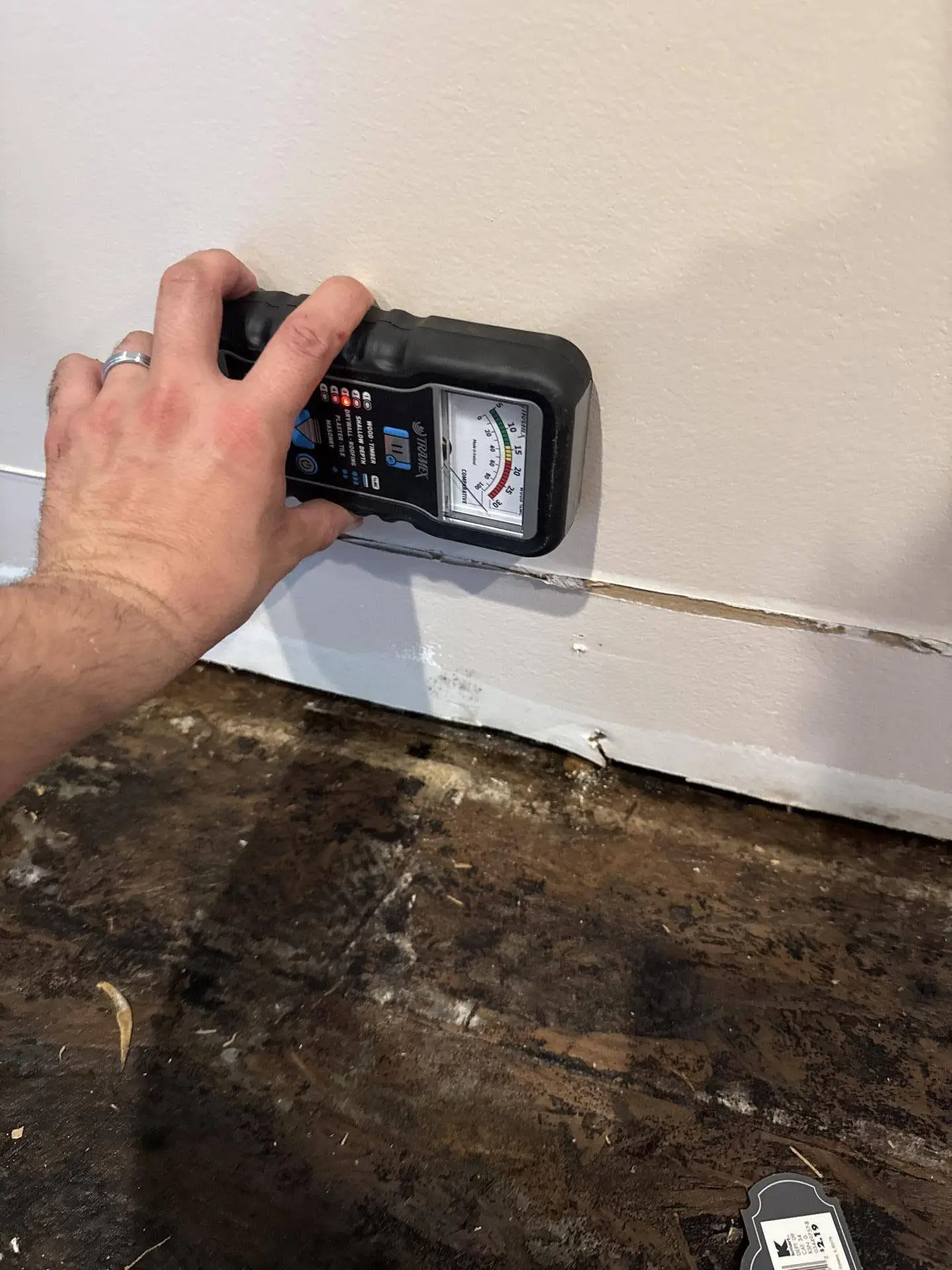
The crew inspects and stabilizes the emergency condition. Full extraction, multi-day drying, sanitation, demolition and repair require separate scope approval.
The coordinator records:
- Brooklyn address, unit, floor and callback number
- Authorized decision-maker, property type and occupancy
- Source, start time and source-control status
- Affected rooms, floors, units, materials and contents
- Visible standing water or spread, when safely observable
- Possible sewage, stormwater or other contamination
- Electrical, ceiling, structural or occupancy concerns
- Building-management, elevator, parking or superintendent requirements
- Available photographs or video
Initial stabilization priorities
What We Stabilize First
Emergency stabilization
Water Source
The technician verifies whether the source is active, controlled or unknown. When safe and authorized, the crew may contain minor flow or protect adjacent areas while the responsible trade completes permanent repair.
The source name does not establish the water category by itself. Source, contact with materials, time, temperature and observed contamination inform the preliminary determination at the property.
Emergency stabilization
Electrical/Occupancy Risk
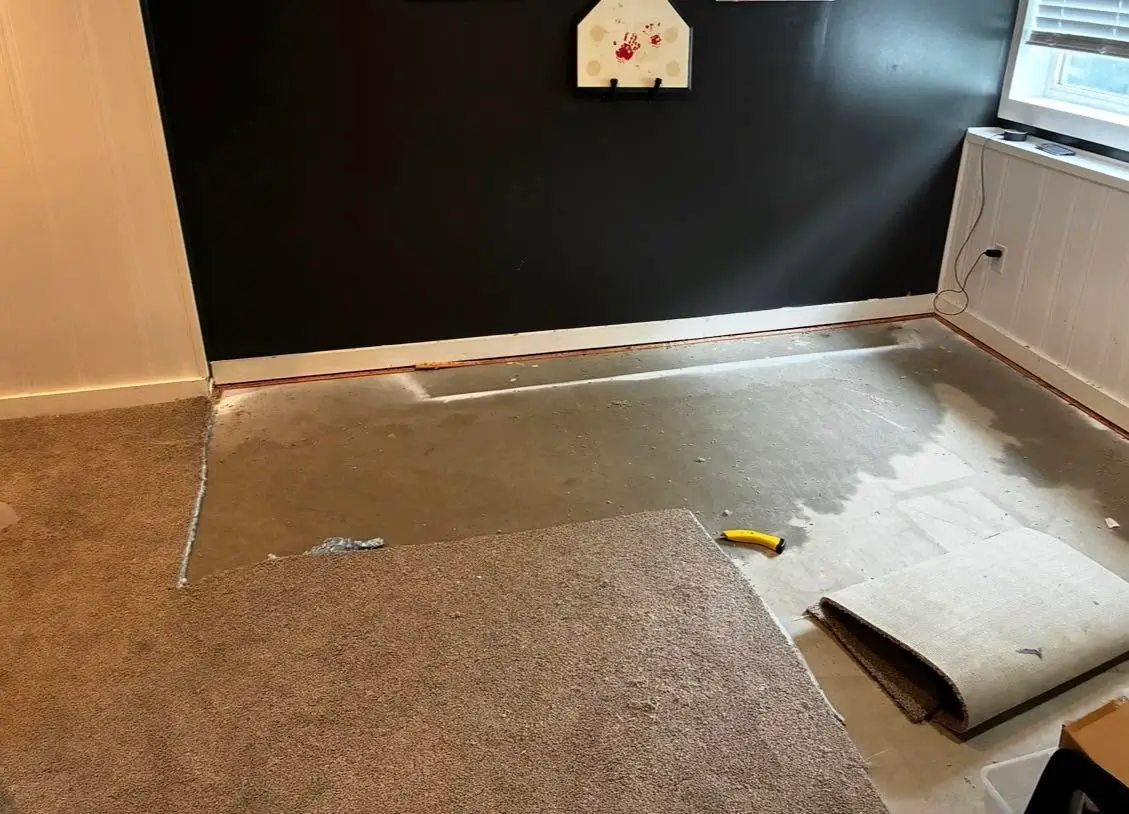
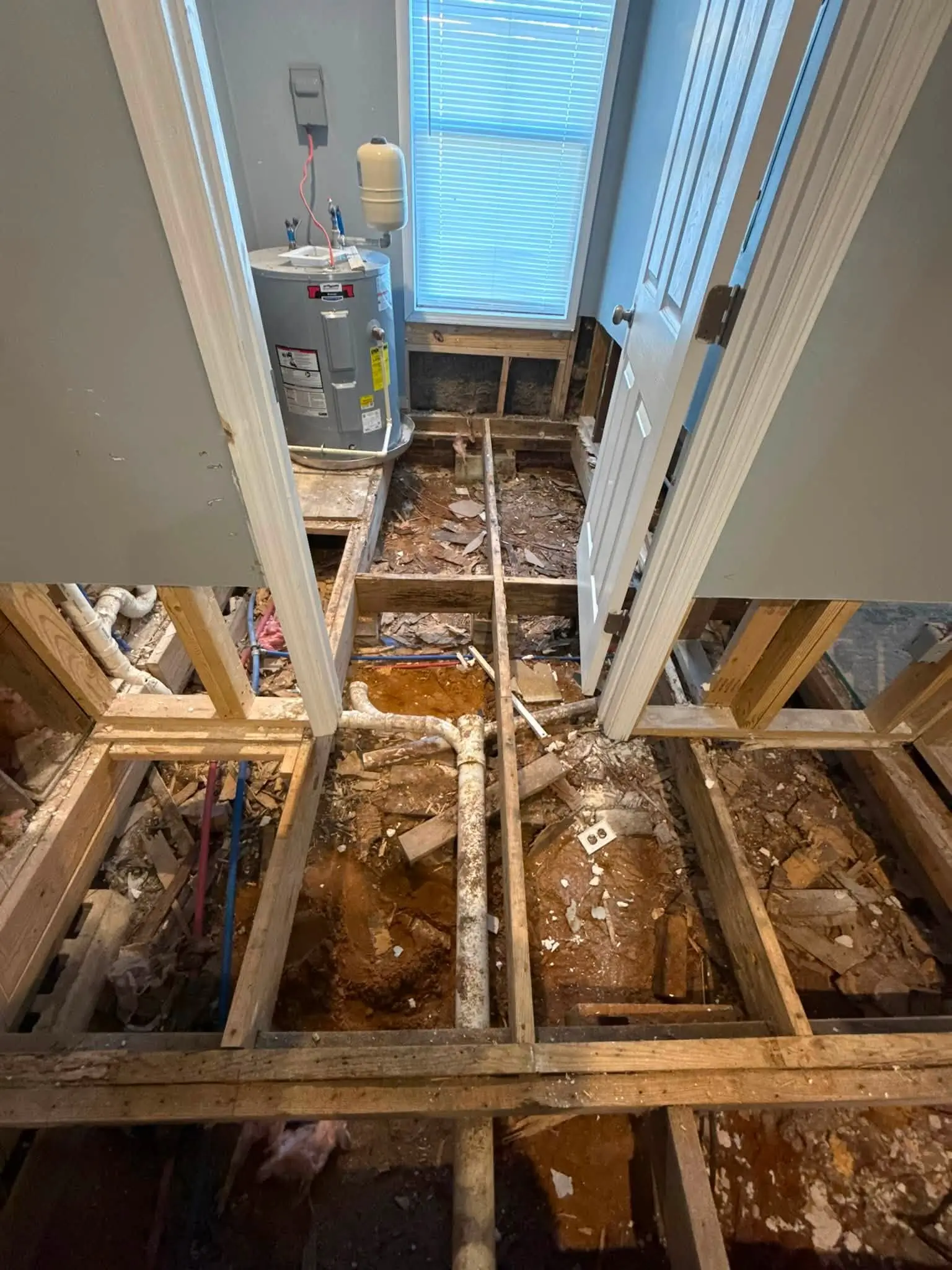
The crew identifies wet electrical areas, unstable ceilings, slip hazards, contaminated zones and restricted rooms. Work stops where an electrician, engineer, fire department, utility or building authority must first make conditions safe.
In a Brooklyn multi-unit property, occupancy decisions may also require coordination with the landlord, superintendent, managing agent, board or occupants in another unit.
Emergency stabilization
Standing Water
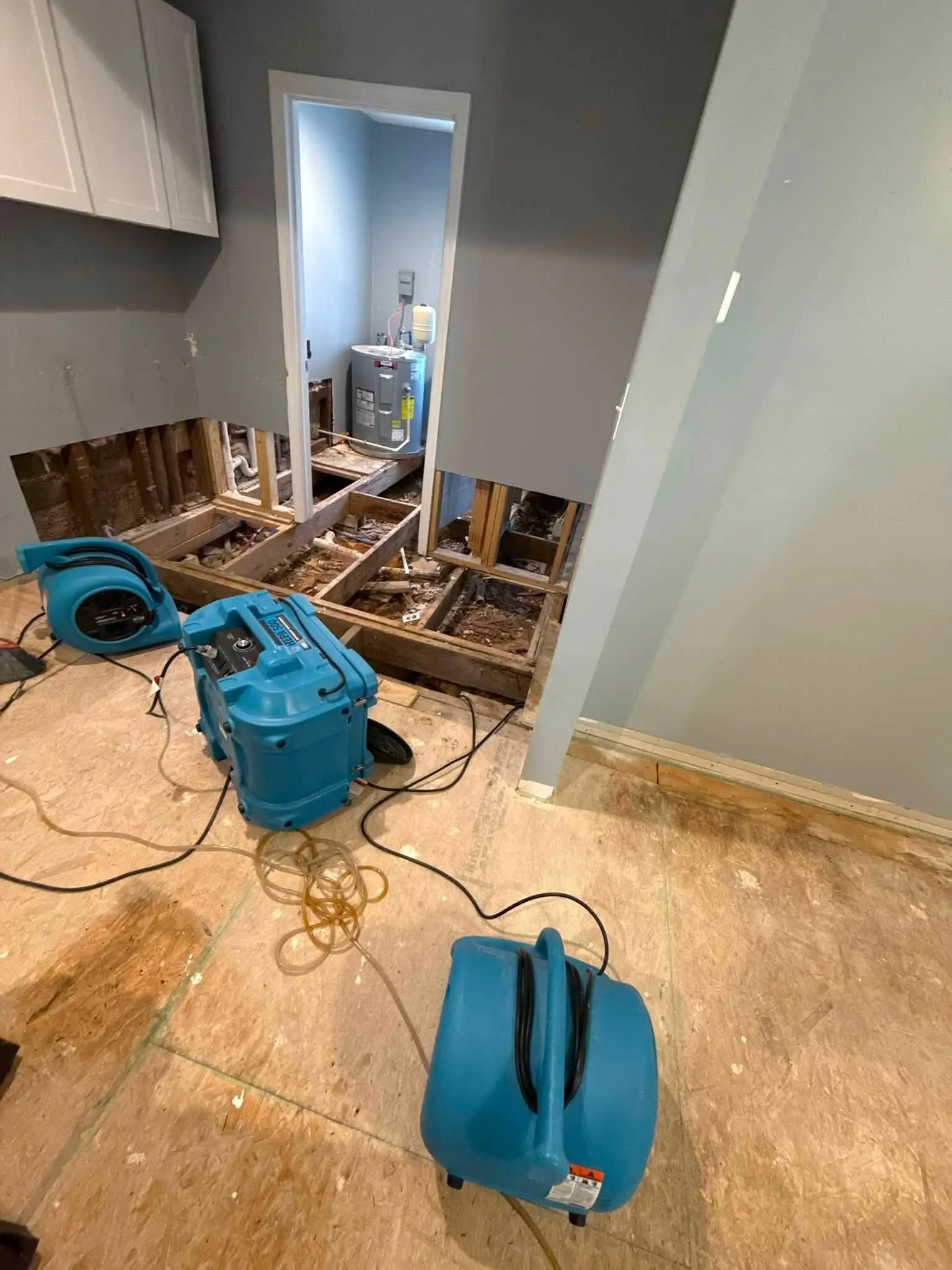
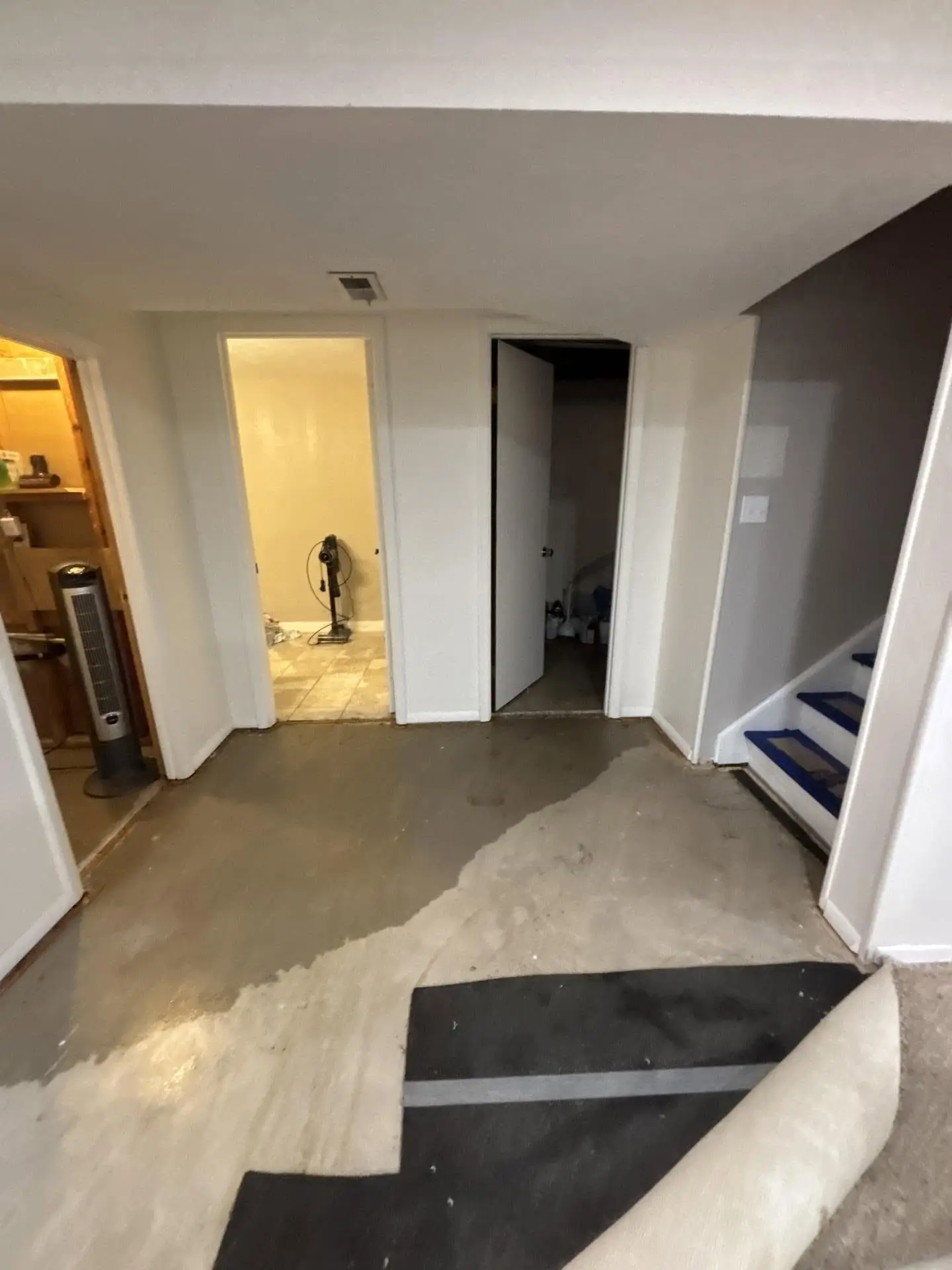
Accessible standing water is controlled within the approved emergency scope to limit continued migration into flooring, baseboards, wall assemblies and neighboring areas. The method depends on water depth, apparent contamination, material type, access and available power.
Large-volume removal belongs to the dedicated water removal and extraction service.
Emergency stabilization
Affected Contents
Wet contents may be moved, raised from flooring or documented when safe and authorized.
No salvage decision is promised by phone. Porous contents, electronics, documents, upholstered items and materials exposed to contaminated water require condition-specific evaluation.
Measurable handoff
Initial Stabilization Is Complete When:
The emergency scope ends with documented conditions, completed actions and a clear next responsibility.
- The water source is controlled or assigned to the responsible trade.
- Immediate access or occupancy hazards are identified.
- Accessible standing water within the approved scope is addressed.
- Affected areas and materials are documented.
- The next service or specialist responsibility is explained.
Inspection-led selection
Emergency Equipment and Initial Documentation
The technician selects equipment after inspecting the water source, affected area, materials, access and apparent contamination. Publish only equipment the company can verify.
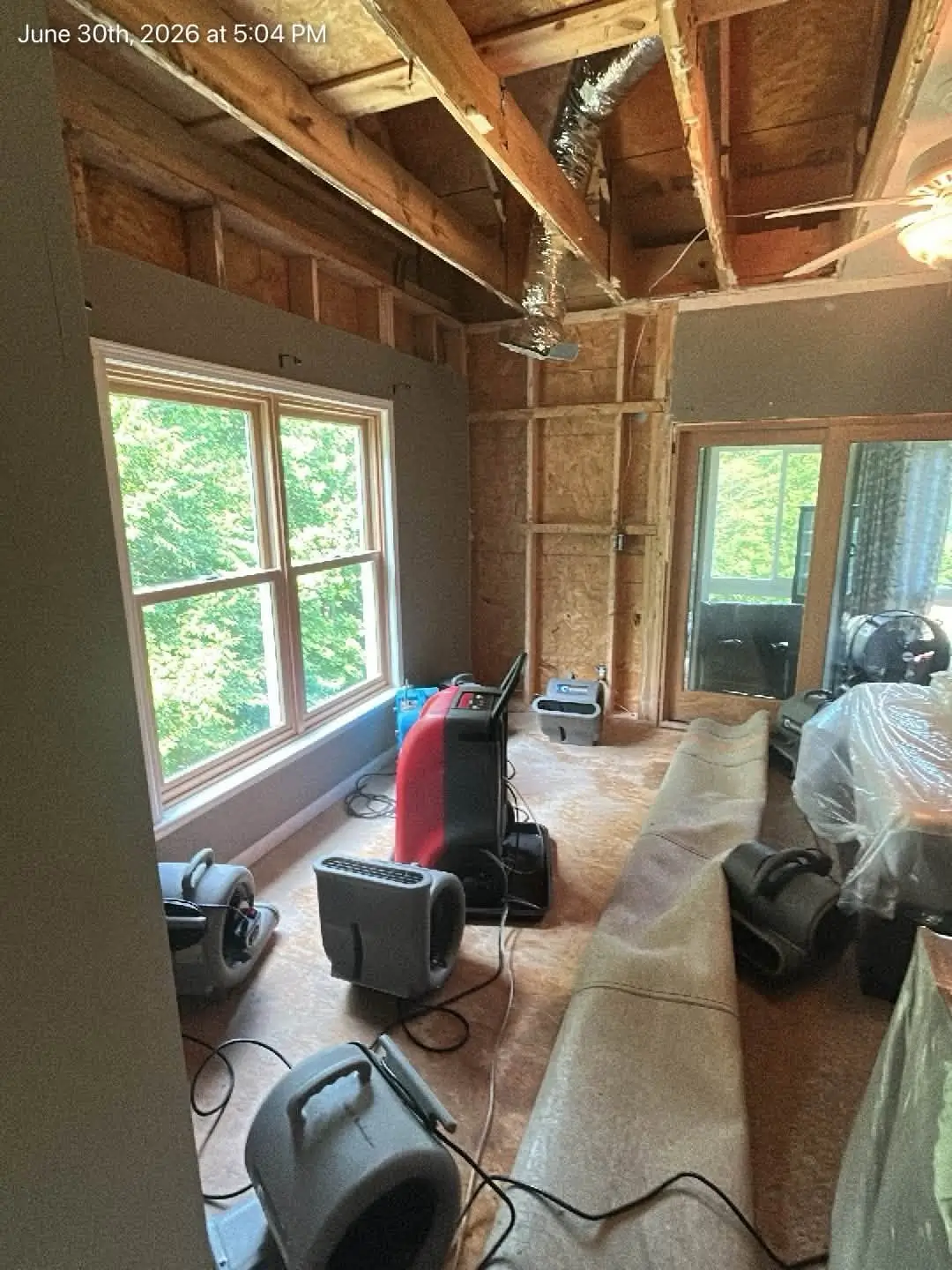
Verified Equipment
- Extraction Tools
- Drying Units
- Industrial air movers
- Heavy-duty dehumidifiers
- Submersible water pumps
Initial Documentation Should Identify:
- Source and source-control status
- Date or estimated time of intrusion
- Preliminary water condition
- Affected rooms, floors, units and square footage
- Wet drywall, plaster, wood flooring, subfloor, insulation, framing, cabinets or contents
- Visual observations and test locations
- Initial readings from verified instruments
- Photographs of the source, migration path and affected materials
- Safety, access and occupancy restrictions
- Work authorized, declined or deferred
- Equipment type, quantity, placement and start time
The record defines the starting condition and emergency work completed. It does not guarantee coverage, claim approval, drying time or final cost.
Hidden-moisture investigation belongs to the inspection service. Continued moisture control belongs to structural drying and dehumidification. Finish replacement and reconstruction belong to water damage repair.
First-hand proof
Brooklyn Emergency Project we Done
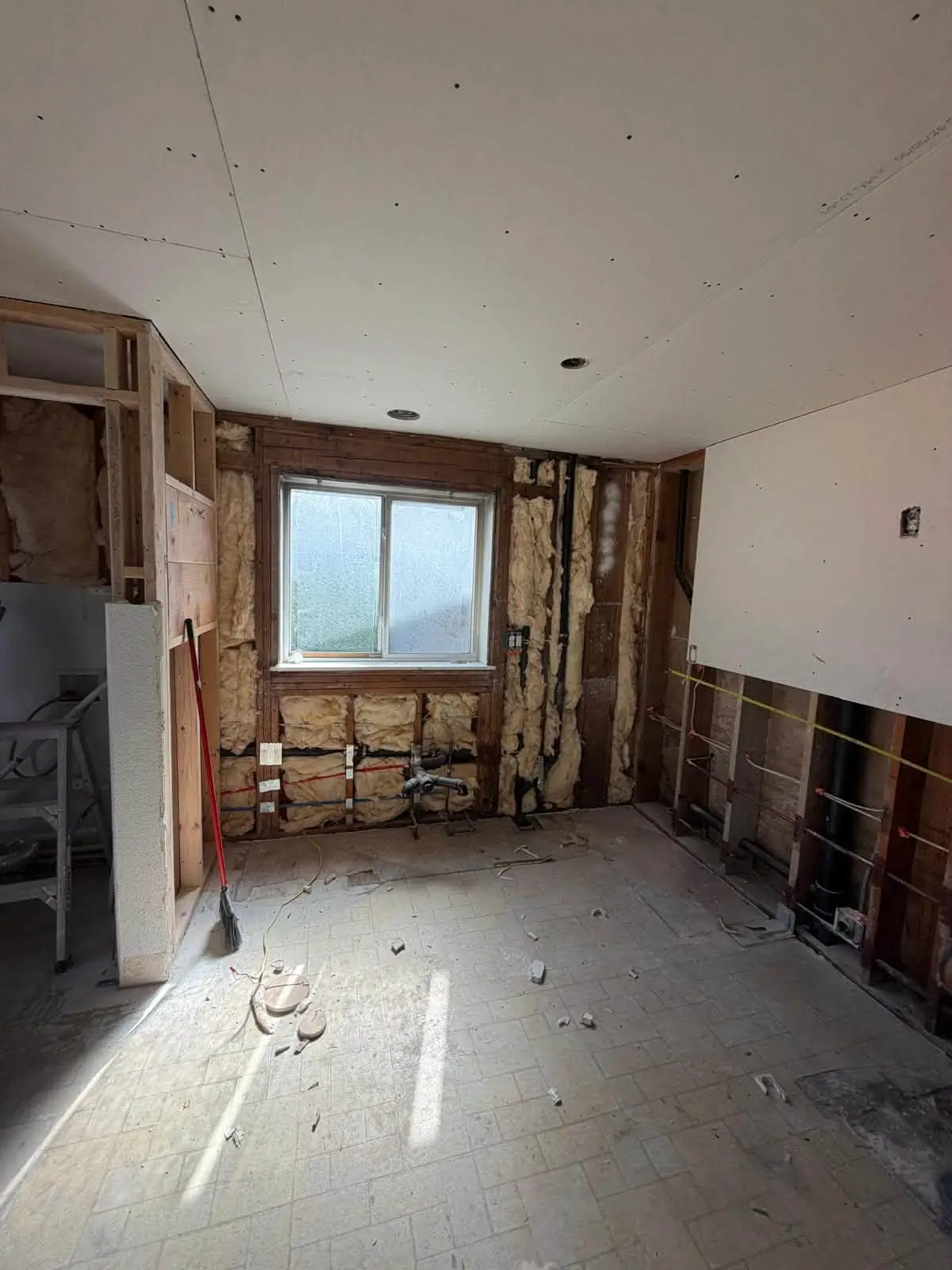
Home Water Damage restoration Brooklyn
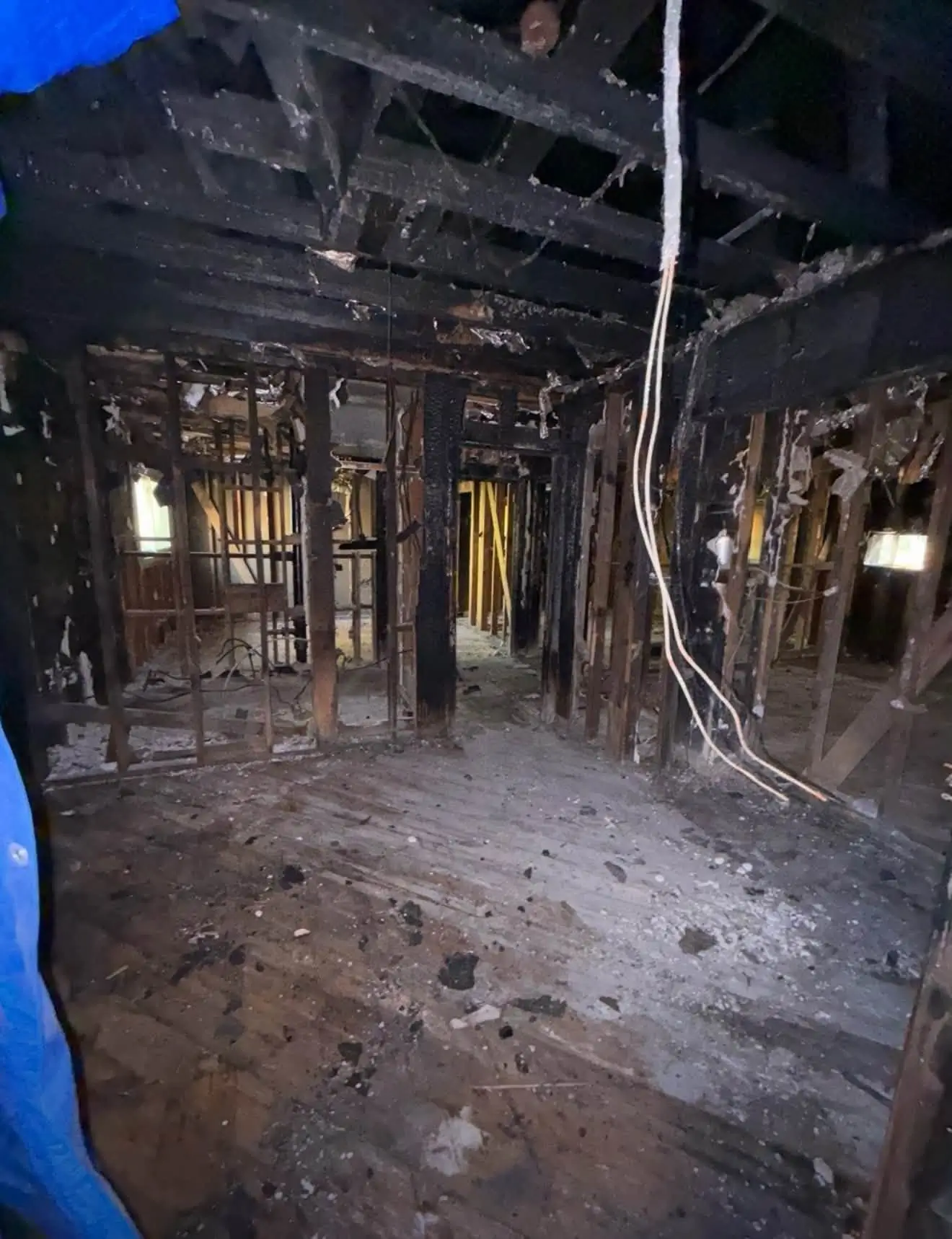
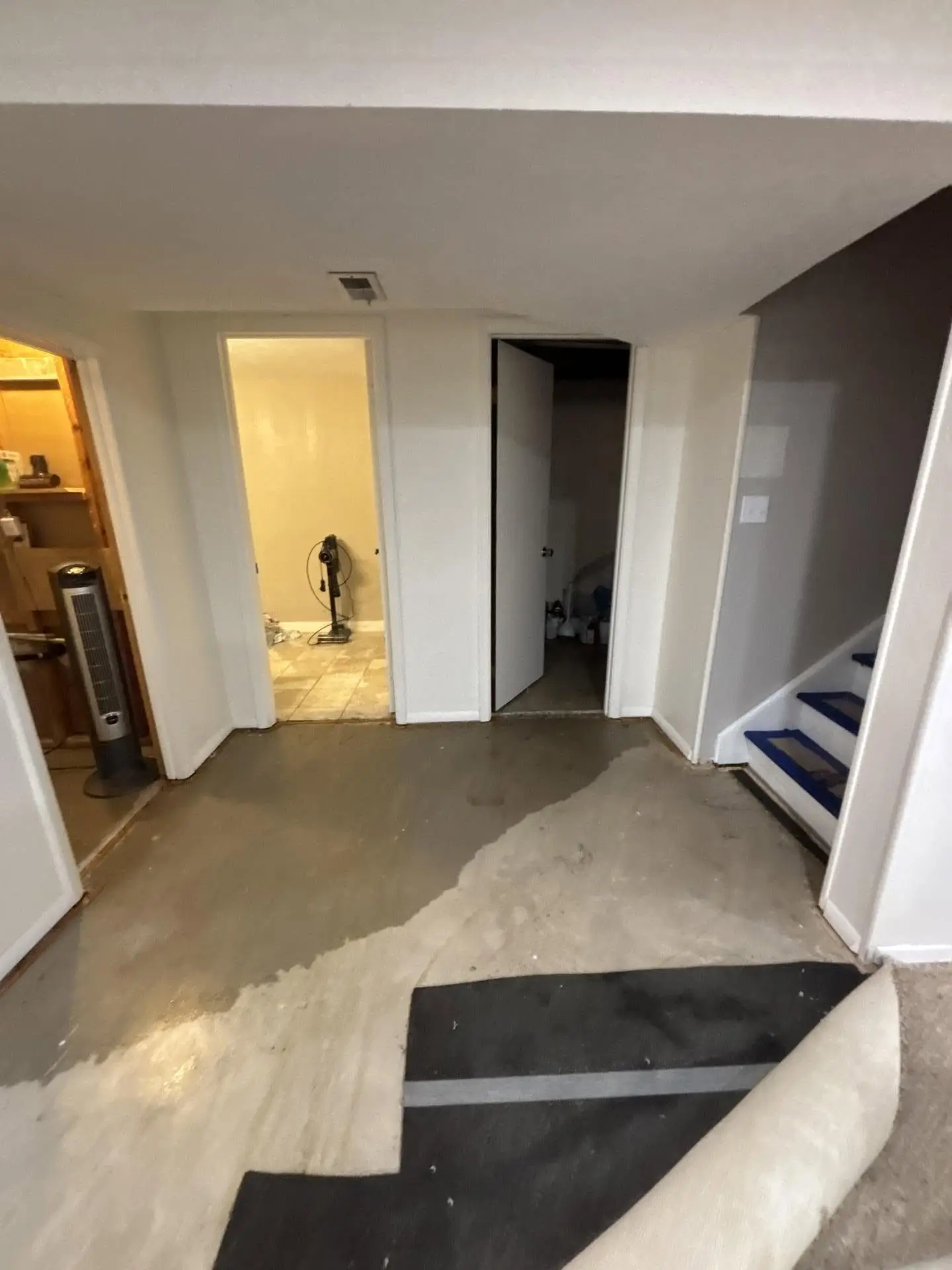
Basement Water Damage restoration Brooklyn
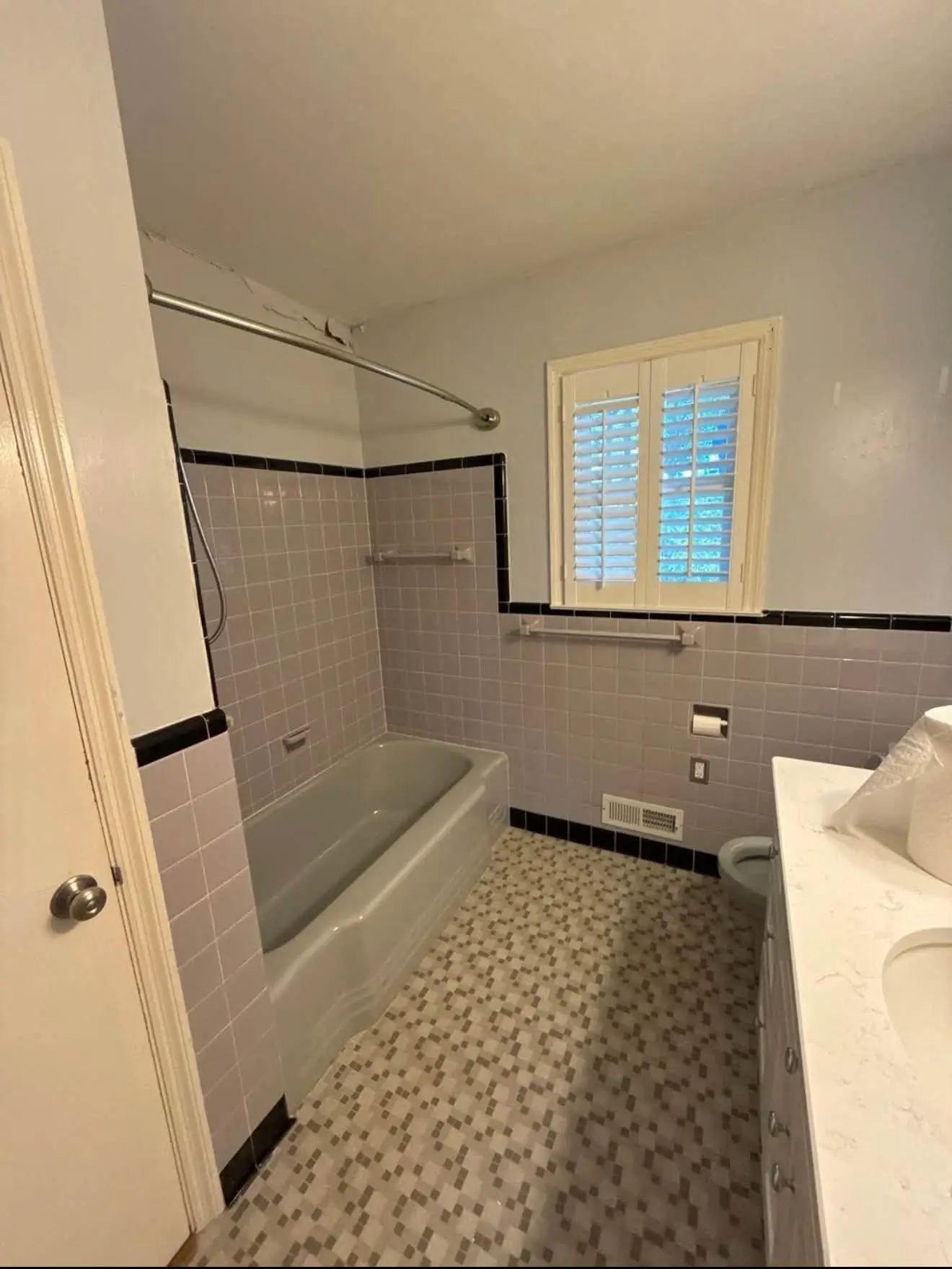
Apartment Water damage restoration Northern Brooklyn
Water damage restoration Downtown Brooklyn
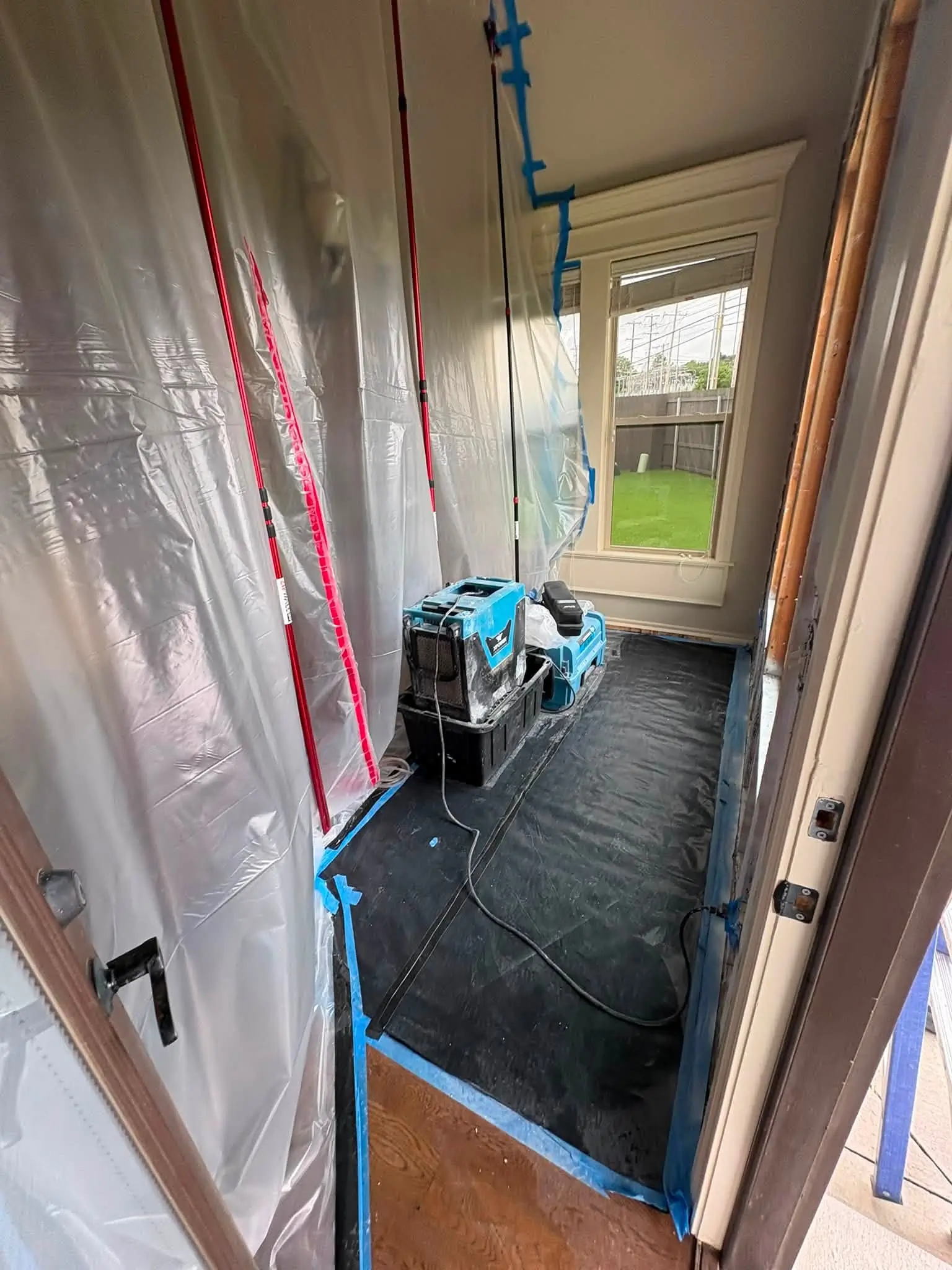
deep water extraction brooklyn
Emergency water Damage cleanup Southern Brooklyn
Scope boundaries
What the Service Includes and Does Not Include
Included in Emergency Response
- Live first-call triage
- Emergency dispatch decision
- Current arrival estimate
- Source-status confirmation
- Initial safety and occupancy screening
- Affected-area and material documentation
- Accessible standing-water control within scope
- Initial readings with verified equipment
- Emergency authorization and work notes
- Clear referral or next-service scope
Not Included Unless Separately Inspected and Authorized
- A guaranteed arrival time
- Permanent plumbing, roof, appliance or utility repair
- Electrical, engineering or structural clearance
- Full leak investigation requiring invasive access
- Complete extraction beyond the emergency scope
- Multi-day drying and monitoring
- Mold assessment or mold remediation
- Demolition, reconstruction or finish replacement
- Insurance coverage or claim approval
- A final project price before inspection
For the complete service lifecycle, visit Brooklyn water damage restoration. Inspection, extraction, drying or repair continues only after scope confirmation.
Evidence-led response
Why Choose Us
1. A dispatch decision based on recorded conditions
The coordinator uses a defined intake covering source status, affected area, materials, contamination concerns, occupants and access.
2. A current arrival estimate instead of a scripted promise
You receive an estimate based on the Brooklyn address, available crew and building access.
3. A clear boundary between stabilization and source repair
The authorization states what Water Damage Restoration NYC will stabilize and which plumber, building team or specialist must repair the cause.
4. A measurable emergency handoff
The technician documents the initial conditions, work completed, equipment installed, and any additional work that may be needed next.
Emergency water damage questions
Water Damage Restoration FAQs
Call when water is active, spreading, standing, contaminated, near electricity, affecting multiple units or making a room unsafe. Triage determines emergency dispatch or scheduled inspection.
You will receive an estimated arrival time after the coordinator confirms the address, crew location, and building access requirements. Please keep in mind that traffic, weather, emergency call volume, elevator availability, and coordination with the superintendent or building management may affect the estimated arrival time.
Cost depends on the affected area, water condition, materials, access, labor, equipment and work you authorize after inspection. Permanent source repair, continued extraction, structural drying, sanitation and reconstruction may require separate scopes.
No. Permanent source repair is completed by the appropriate plumber, roofer, appliance technician, utility or building trade unless a separate verified service is contracted. The restoration crew documents the source status and stabilizes the resulting property damage.
Yes, when documentation services are available. The file may include photographs, notes about affected areas, moisture readings, authorized work, and equipment records. This documentation helps support clear communication and recordkeeping, but it does not determine insurance coverage or responsibility.
Request emergency response
Call for Emergency Service
Call Water Damage Restoration NYC at +19172034372 when water is actively affecting a Brooklyn property. A coordinator will record the loss, explain the next safe action, provide 1 to 2 hours of arrival estimate and arrange the appropriate emergency stabilization response.