WATER DAMAGE RESTORATION NYC
Odor Removal After Water and Sewage Damage in Brooklyn
Water Damage Restoration NYC provides water damage odor removal in Brooklyn by locating the moisture or contamination source before deodorizing the space. We inspect, clean, verify drying, and treat remaining odors, with an estimated arrival of 1–2 hours.
Odor-Removal Service Commitments
1–2 Hour Estimated Arrival
Source-First Odor Assessment
Moisture Verification Before Deodorization
Documented Completion Conditions
SOURCE-BASED ODOR ASSESSMENT
Why Water Damage Odors Persist
A persistent odor usually means that moisture, contamination, or damaged material remains somewhere in the property.
Fragrance, air freshener, or a deodorizing product may temporarily change how the room smells, but it cannot correct wet insulation, sewage residue, damp carpet padding, contaminated subflooring, or moisture behind a wall.
Common post-loss odors include:
- A musty or earthy smell from damp materials or possible microbial growth
- A sewage-like odor from contaminated water, residue, drains, or a sewer backup
- A stale smell from materials that dried slowly
- A sour odor from wet carpet, padding, textiles, or upholstered contents
- A damp-wood smell from flooring, framing, cabinets, or trim
- A stagnant-water odor from trapped water beneath finishes or fixtures
- A chemical smell from damaged products, adhesives, coatings, or stored contents
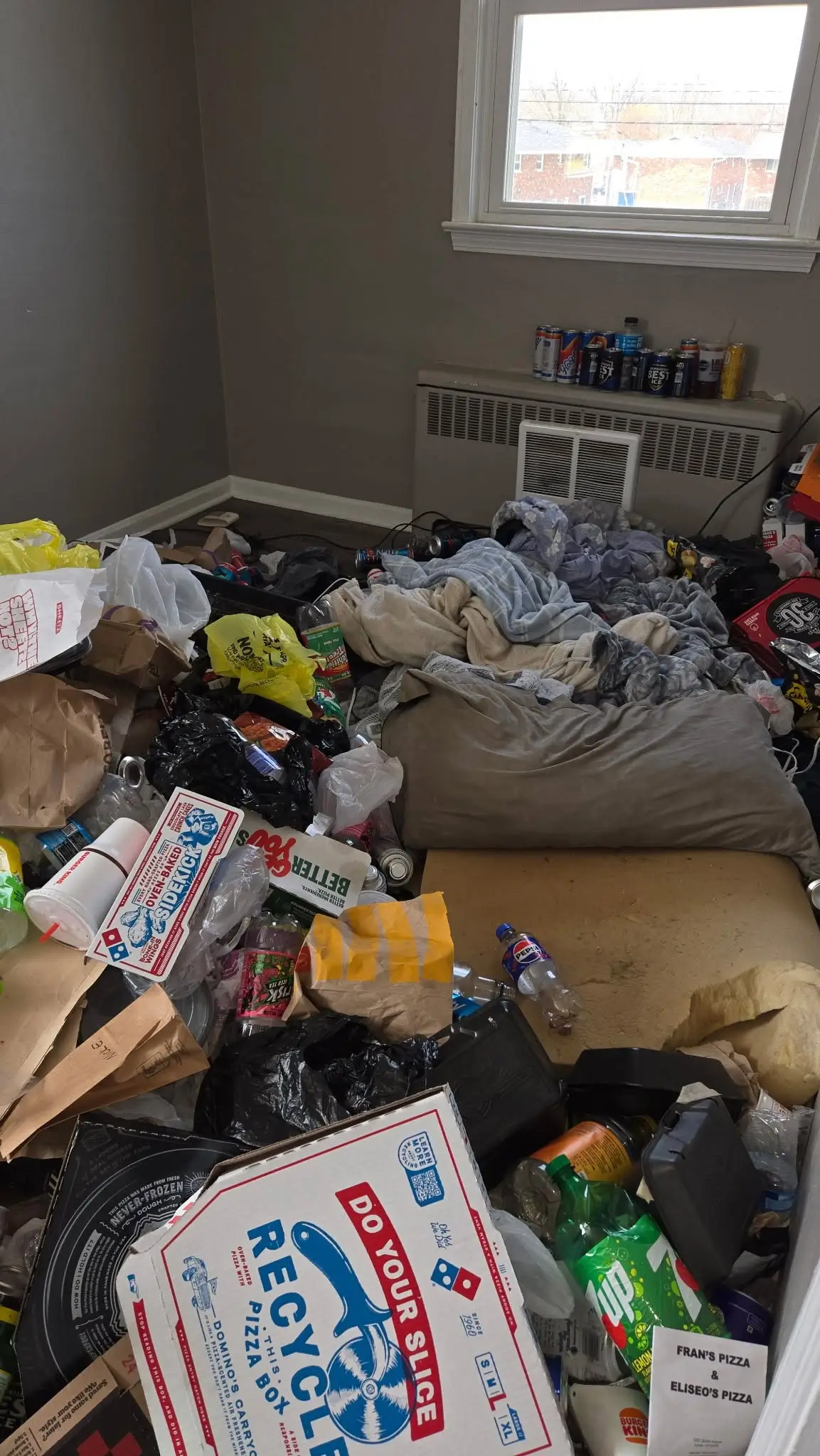
Water can enter through broken pipes, overflowing fixtures, appliance failures, roof or window leaks, groundwater, stormwater, and clogged toilets. It can then affect wood, composite materials, drywall, insulation, flooring, laminated surfaces, and electrical components. The odor source may therefore be separate from the place where the smell is strongest.
A musty odor should not be treated as proof of one specific condition. It is a reason to investigate moisture, materials, and concealed spaces. EPA guidance notes that mold-related volatile compounds can create strong musty odors and that a moldy smell warrants further investigation.
INSPECTION BEFORE TREATMENT
Find the Moisture or Contamination Source First
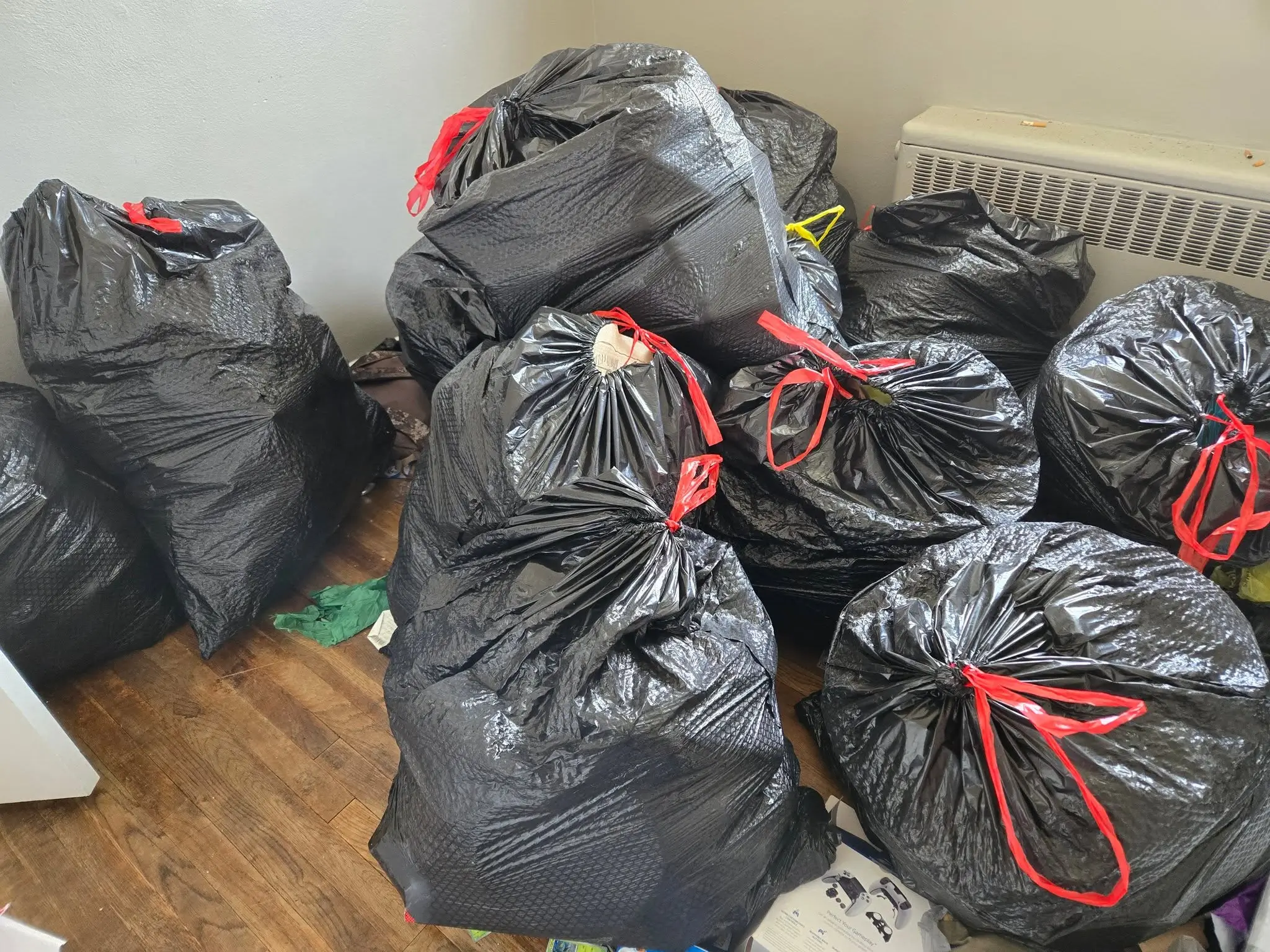
Odor removal begins by identifying what is producing the odor and why it remains.
Water Damage Restoration NYC evaluates:
- The original water source
- Whether the source has been repaired
- The apparent water category
- Rooms and materials previously affected
- Areas that were extracted, cleaned, or dried
- Materials that remain wet or contaminated
- Odor intensity and location
- Changes in the odor after rainfall, plumbing use, or HVAC operation
- Concealed areas that may require moisture inspection
- Previous treatments that may be masking the source
Moisture Inspection
Moisture can remain beneath flooring, behind baseboards, inside wall cavities, under cabinets, above ceilings, or within insulation.
We compare the odor pattern with visible conditions and moisture findings. Where appropriate, the inspection may include moisture-meter readings, thermal scanning, examination of accessible cavities, and comparison with dry reference materials.
Thermal imaging can help locate temperature patterns requiring verification, but it does not identify odor or prove that moisture is present. Suspected areas must be checked using direct inspection or moisture readings.
NYC Health identifies musty, earthy, or stale odors as signs of an indoor moisture problem. It also lists roof, window, and pipe leaks, high indoor humidity, floods, sewer backups, and faulty air-conditioning systems among common moisture sources.
Contamination Inspection
A sewage odor requires more than humidity control.
We check whether sewage water, drain residue, sediment, contaminated carpet padding, porous building material, or affected contents remain in the area. Cleaning only the exposed floor may not solve the problem when contaminated water moved beneath flooring or into the wall base.
The water category affects the action required. Sewage and surface flooding are treated differently from a clean supply-line release because contamination can enter absorbent materials and concealed assemblies.
Source-Repair Boundary
Odor treatment does not replace permanent source repair.
A plumber, roofer, appliance technician, HVAC contractor, or building professional may be required when the odor is connected to:
- A leaking supply or waste pipe
- A damaged private sewer service line
- A dry or defective plumbing trap
- A roof or exterior-envelope leak
- Drainage or groundwater intrusion
- HVAC condensate or duct contamination
- An appliance or mechanical failure
NYC property owners are responsible for maintaining the private sewer service line connecting the building to the city sewer. A licensed master plumber is required when that private line needs repair.
Natural-Gas Safety Boundary
A smell resembling natural gas should not be treated as a water-damage odor. Leave the affected area and follow emergency utility or 911 instructions.
ORDERED ODOR-REMOVAL PROCESS
Cleaning, Drying and Deodorization
Odor removal follows a sequence. Changing that order usually produces only temporary improvement.
1. Remove the Odor Source
The first step is removing sewage residue, damaged porous material, stagnant water, contaminated debris, spoiled contents, or another confirmed source.
Depending on the findings, this may involve:
- Removing contaminated carpet padding
- Opening a limited wall or floor section
- Discarding saturated insulation
- Cleaning beneath removable fixtures
- Removing swollen composite materials
- Separating affected contents
- Accessing residue beneath flooring
- Correcting a drain or plumbing condition through the appropriate trade
An odor-producing material should not remain enclosed simply because its visible surface was treated.
2. Clean Accessible Surfaces
Physical soil and residue are removed before disinfecting or deodorizing.
Cleanable surfaces may include sealed tile, concrete, metal, glass, certain plastics, plumbing fixtures, finished wood, and other compatible materials. Product selection depends on the surface, water category, and contamination condition.
Porous materials require a different decision. Drywall, insulation, carpet padding, composite wood, ceiling tile, paper, and foam can absorb moisture and contaminants below the exposed face. Surface wiping may not reach the actual odor source.
3. Verify Structural Drying
Drying must be confirmed before the remaining odor is treated as a separate deodorization problem.
Water Damage Restoration NYC checks whether affected materials have reached the established drying target and whether indoor humidity remains under control. A dry surface does not confirm that the subfloor, wall cavity, framing, or insulation is dry.
EPA guidance emphasizes that moisture control is the foundation of mold and odor control. If the water problem remains unresolved, cleanup produces only a temporary result.
4. Treat the Remaining Odor
Deodorization is used after the physical source, contamination, and excess moisture have been addressed.
The treatment method depends on:
- Odor type and intensity
- Room volume
- Surface and contents materials
- Occupancy conditions
- Airflow and ventilation
- Areas affected
- Product compatibility
- Whether treatment must reach a cavity or contents group
Treatment may involve targeted surface deodorization, air treatment, controlled ventilation, cleaning of retained contents, or another method appropriate to the inspected condition.
Water Damage Restoration NYC does not assume one machine or chemical is suitable for every loss. Some treatment methods require temporary occupancy restrictions, removal of pets or plants, ventilation, and controlled re-entry. These conditions are explained before treatment begins.
HIDDEN-MOISTURE CHECK
When a Musty Smell Signals Hidden Damage
A musty smell after a leak can indicate that the visible drying work did not cover the entire moisture footprint.
Possible hidden locations include:
- Behind drywall, plaster, wallpaper, or paneling
- Beneath carpet and padding
- Below hardwood or multilayer flooring
- Inside an exterior or plumbing wall
- Behind a vanity or kitchen cabinet
- Above a stained ceiling
- Inside wet insulation
- Around a pipe chase
- Beneath a basement stair or stored contents
- Inside an HVAC or condensate area
EPA guidance advises investigating hidden moisture when a building smells moldy but no source is visible. Potential locations include the back of drywall or wallpaper, beneath carpet, inside walls around pipes, and above ceiling tiles.
Further action may require limited material removal, a separate mold-remediation assessment, structural drying, or source repair. Odor treatment alone is not an appropriate substitute when concealed deterioration or microbial growth is found.
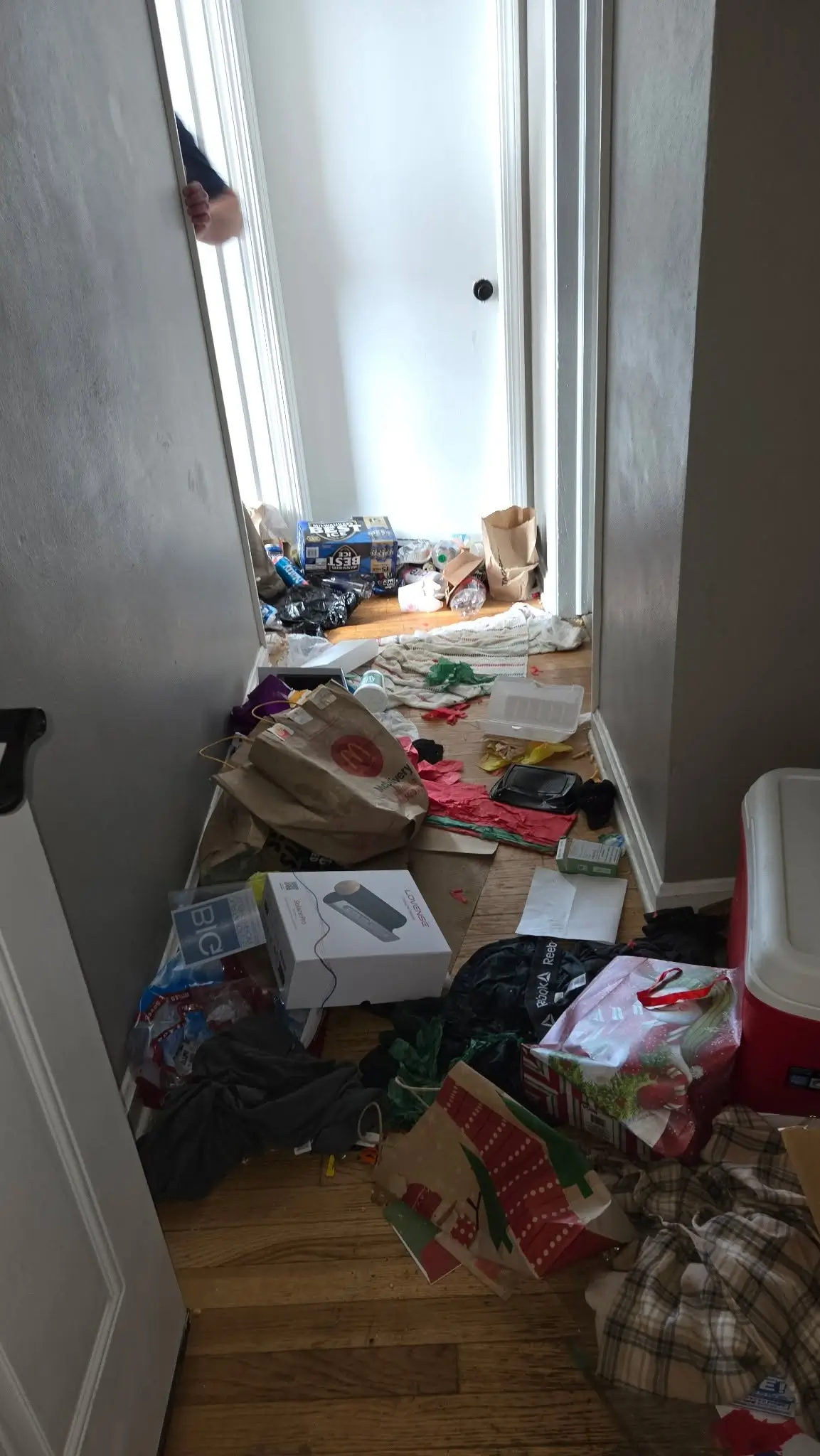
A Treatment Area Reaches Completion When:
- The moisture or contamination source has been corrected or isolated.
- Odor-producing debris and unsalvageable materials have been removed.
- Retained surfaces have been cleaned.
- Affected structural materials meet the drying requirement.
- Deodorization has been completed under the approved scope.
- The area has been ventilated as required.
- No unresolved sewage-like, musty, or stagnant-water odor remains under normal room conditions.
- Further mold, plumbing, HVAC, or repair needs have been documented.
Opening windows for a short period is not used as the final test. The room is assessed after ventilation and treatment conditions have stabilized.
BROOKLYN OPERATING STANDARD
Brooklyn Odor-Removal Project
Odor investigations in Brooklyn often involve more than one room or decision-maker.
Kings County had an estimated 1,141,824 housing units in 2025, while the owner-occupied housing rate was 29.5% during 2020–2024. Many projects can therefore require coordination among tenants, landlords, superintendents, property managers, cooperative boards, or neighboring occupants.
Consider a sewage-like smell reported in the ground-floor bathroom of a Brooklyn multifamily building after a previous backup.
The service decision would follow this sequence:
1
Initial Odor History
We confirm when the smell began, whether it changes after plumbing use or rainfall, what areas were previously cleaned, and whether the backup source was repaired.
2
Moisture and Contamination Boundary
The bathroom floor, wall base, adjoining hallway, plumbing penetrations, and accessible lower areas are checked. Residue beneath a fixture or flooring edge would be treated differently from an outdoor sewer odor entering through an open window.
3
Corrective Scope
The scope identifies material requiring removal, surfaces requiring cleaning, remaining drying needs, and work assigned to a licensed plumber or building professional.
4
Deodorization
Odor treatment begins after the physical source and moisture conditions are corrected.
5
Completion Review
The area is reviewed after cleaning, drying, treatment, and required ventilation. Any unresolved building-system issue remains documented rather than being hidden behind fragrance.
This is our operating standard for a Brooklyn odor-removal project, not a fabricated customer case study.
SCOPE BOUNDARIES
What the Service Includes and Does Not Include
Odor-Removal Service Can Include
- Odor history and affected-area inspection
- Moisture readings in accessible materials
- Apparent contamination assessment
- Identification of odor-producing material
- Cleaning of compatible retained surfaces
- Approved porous-material removal
- Drying verification before deodorization
- Targeted deodorization
- Ventilation and re-entry instructions
- Completion-condition documentation
- Identification of remaining service needs
- Coordination with the property decision-maker
Not Automatically Included
- Permanent plumbing or sewer repair
- Roof, window, or façade repair
- Water extraction assigned to another scope
- Full structural drying
- Sewage cleanup beyond the approved area
- Mold remediation
- Lead or asbestos testing
- HVAC repair or duct remediation
- Reconstruction or finish replacement
- Air-quality or medical clearance
- Insurance coverage or claim approval
- Guaranteed removal of unrelated odors
Final inclusions depend on the odor source, water category, affected material, moisture condition, access, occupancy, and inspection findings.
SOURCE-FIRST AND DOCUMENTED SERVICE
Why Choose Water Damage Restoration NYC?
We Look for the Source Before Treating the Air
Our process starts with moisture, contamination, and affected-material inspection—not fragrance or a standard deodorizing application.
Cleaning and Drying Come Before Deodorization
Residue, damaged porous materials, and unresolved moisture are addressed before remaining odors are treated.
Completion Has Defined Conditions
We document what was removed, cleaned, dried, treated, and assigned to another service or trade.
The Service Is Organized for Brooklyn Properties
Water Damage Restoration NYC provides restoration services throughout NYC, while this page is focused on Brooklyn homes, apartments, brownstones, multifamily buildings, basements, and commercial spaces.
Shared walls, stacked units, plumbing chases, walk-up access, elevators, building management, and multiple authorizing parties are considered during the inspection. Our estimated Brooklyn arrival is 1–2 hours, subject to traffic, weather, parking, and property access.
Frequently Asked Questions
You need professional odor removal when a musty, sewage-like, sour, or stagnant-water smell remains after a leak, flood, backup, extraction, or cleanup.
A persistent odor may indicate wet material, residue, contamination, or concealed damage that should be inspected before deodorization.
The service can include odor-source inspection, moisture readings, contamination assessment, material evaluation, cleaning, drying verification, targeted deodorization, and completion documentation.
The exact scope depends on the odor source, affected materials, access, and previous restoration work.
Our estimated arrival in Brooklyn is 1–2 hours.
Traffic, weather, parking, elevator scheduling, building access, and current service demand can affect the estimate. The current arrival window is confirmed when you call.
Cost depends on the source, affected area, material type, contamination, required access, removal work, cleaning, drying verification, treatment method, and occupancy restrictions.
Treating a limited odor on a cleanable surface has a different scope from removing sewage residue beneath flooring or locating moisture behind several connected walls.
Yes. Documentation can include photographs, moisture findings, the apparent source, affected materials, approved removals, cleaning actions, treatment areas, and remaining repair requirements.
Water Damage Restoration NYC documents the observed condition and work performed. The insurance carrier determines coverage, authorization, deductibles, and payment.
REMOVE THE SOURCE — NOT JUST THE SMELL
Remove the Odor Source—Not Just the Smell
A persistent musty or sewage odor can remain when moisture, contamination, or damaged material is still inside the property.
Call Water Damage Restoration NYC at +19172034372 for water and sewage odor removal in Brooklyn. We will confirm the estimated 1–2 hour arrival, locate the likely source, and explain what must be cleaned, dried, removed, or treated.