
Contents Pack-Out, Cleaning and Restoration in Brooklyn
Water Damage Restoration NYC provides contents restoration in Brooklyn for furniture, clothing, documents, electronics, and household belongings affected by leaks or flooding. We inventory, classify, pack, clean, store, and return approved items, with an estimated 1–2 hour arrival.
Contents Service Commitments
1–2 Hour Estimated Arrival
Room-by-Room Inventory
Documented Salvage Decisions
Return Organized by Original Location
Which Belongings Can Be Restored?
A wet item is not automatically ruined, but not every belonging can be restored safely or economically.
Water Damage Restoration NYC evaluates each contents group according to:
- The water source and apparent contamination category
- How long the item remained wet
- Whether water reached the surface or penetrated the material
- Physical swelling, staining, corrosion, separation, or distortion
- Whether every affected surface can be accessed
- Whether the item can be cleaned and dried without further damage
- Replacement value, sentimental value, and intended use
- Whether specialist conservation is more appropriate
Water can cause wood to rot or distort, composite materials to swell, laminated layers to separate, metal to corrode, and electrical components to short-circuit. Those material reactions affect whether an item should be cleaned in place, removed for restoration, referred to a specialist, or classified as non-salvageable.
We divide affected belongings into four working classifications.
Restore in Place
Large furniture, appliances, shelving, and other items may remain in the property when they can be safely cleaned and dried without obstructing structural work.
Pack Out for Cleaning or Protection
Movable items may be removed when they need controlled cleaning, additional drying, protected storage, or temporary relocation while walls, floors, or ceilings are restored.
Refer to a Specialist
Artwork, antiques, photographs, important records, musical instruments, and high-value collections may require a conservator or specialist rather than standard contents cleaning.
Non-Salvageable
Items may be classified as non-salvageable when contamination cannot be removed, the material cannot be dried through its full depth, structural integrity is lost, or the cost and risk of treatment are not reasonable.
The classification is documented before disposal whenever the item can be held safely for owner review.
Inventory and Pack-Out Documentation
A contents pack-out should begin with an inventory—not with unmarked boxes leaving the property.
Before approved belongings are moved, we document their original room, visible condition, packing group, and proposed action. This creates a usable record for the owner, tenant, landlord, property manager, and any other authorized decision-maker.
The inventory process can include:
- Room and area identification
- Overview photographs before movement
- Individual or grouped item photographs
- Item or container identification numbers
- Visible pre-existing and water-related condition
- Salvage classification
- Cleaning or specialist referral status
- Box, bin, or wrapped-item number
- Storage or temporary relocation destination
- Priority-access designation
- Authorized disposal status
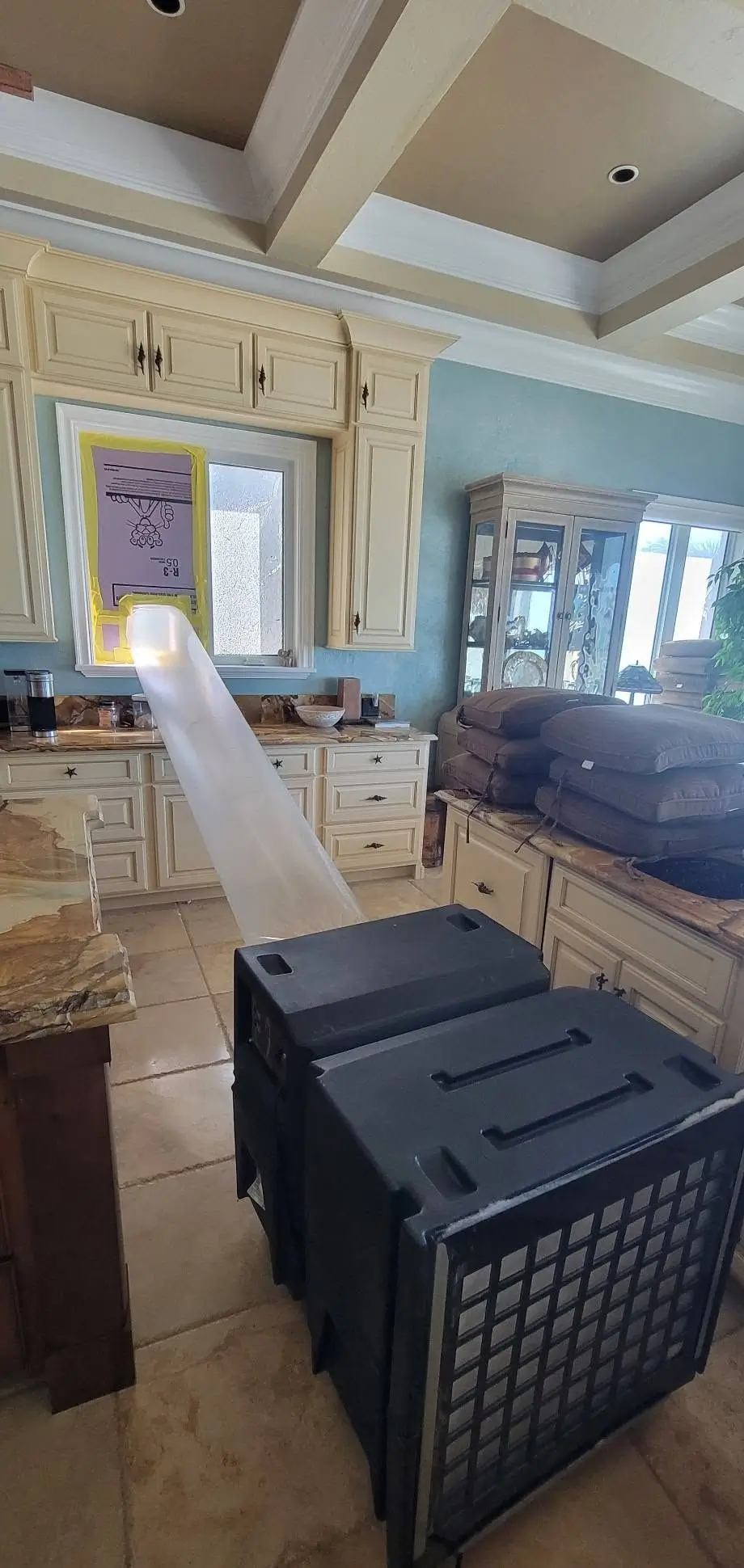
Items from separate rooms are not treated as one undifferentiated load. Bedroom contents, kitchenware, documents, electronics, clothing, and decorative items are grouped so they can be tracked and returned to the correct part of the property.
Daily-use items are also identified early. Medication that was not exposed, work equipment, identification records, school materials, clothing, and essential household items may need priority access rather than long-term packing.
Before loading begins, we confirm the movement route. In Brooklyn properties, this may involve a walk-up staircase, narrow rowhouse hallway, shared building entrance, elevator reservation, loading restrictions, or authorization from a superintendent or management company.
Cleaning Methods by Contents Type
Cleaning is selected by material, water category, condition, and intended use. One treatment cannot be applied safely to every belonging.
Hard, Nonporous Contents
Glass, metal, glazed ceramics, and certain plastics may often be cleaned when all affected surfaces can be reached.
Treatment may involve:
- Removal of loose residue
- Detergent cleaning
- Rinsing where appropriate
- Surface disinfection when contamination requires it
- Controlled drying
- Inspection for corrosion, staining, or finish damage
A disinfectant is not applied as a substitute for physical cleaning. Dirt, silt, and organic residue must be removed first.
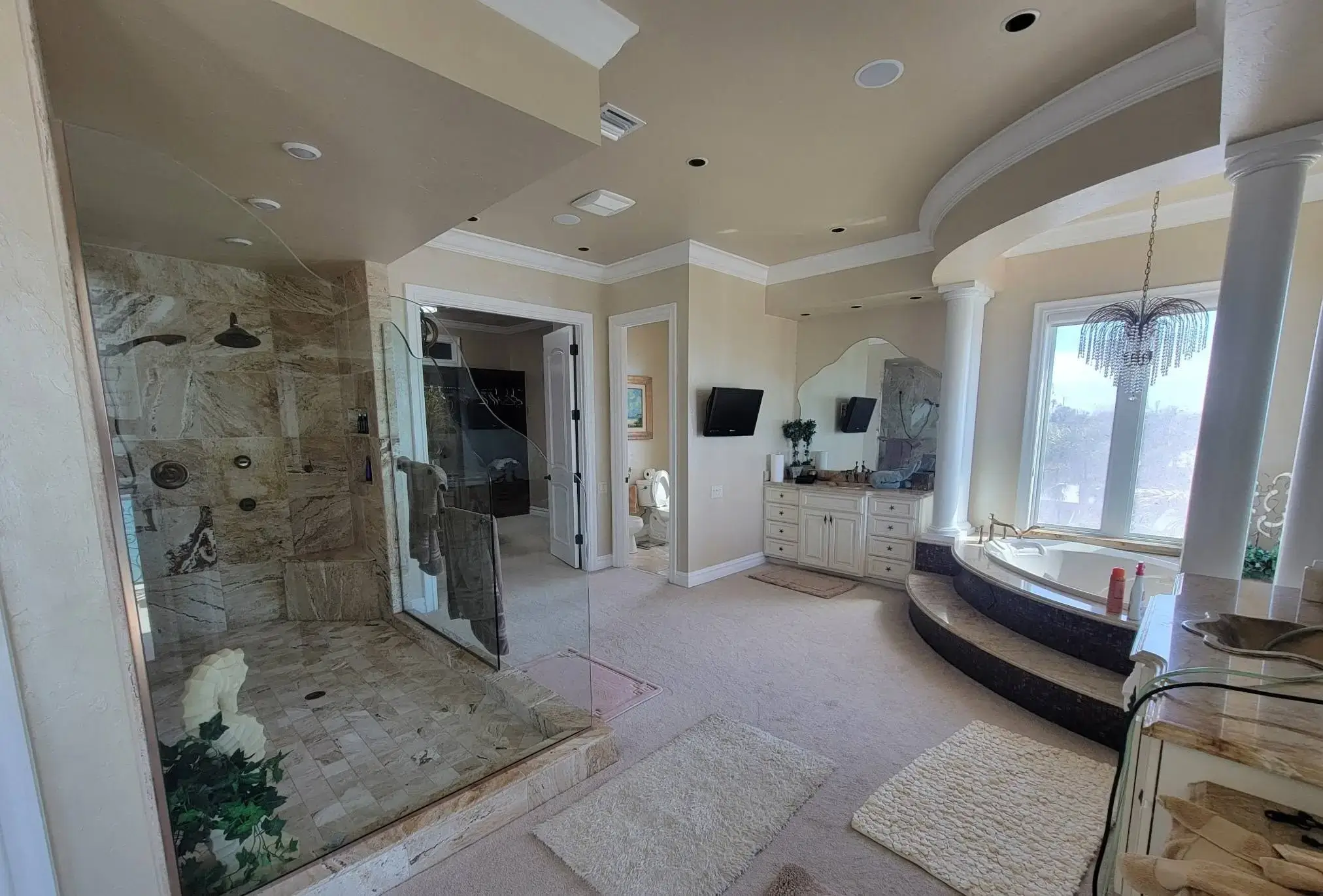
Clothing and Washable Textiles
Washable clothing, linens, curtains, and other textiles are separated according to fabric, color, contamination, and care instructions.
Items may require laundering, repeated rinsing, controlled drying, or specialist textile treatment. Sewage-exposed or heavily contaminated textiles require a different salvage decision from clothing affected by a clean supply-line leak.
Soft goods that cannot be cleaned throughout their full thickness may not be suitable for restoration.
Furniture and Wood Contents
Furniture is inspected for veneer separation, swollen joints, finish damage, staining, odor, and moisture held inside cushions or composite components.
Solid wood may remain restorable when it is cleaned and dried before distortion or microbial growth becomes extensive. Particleboard and fiberboard components can swell and lose strength even when the outer finish appears intact.
Upholstered furniture requires evaluation of the fabric, padding, frame, water category, and exposure depth. Surface cleaning alone is not enough when contaminated water has penetrated internal cushioning.
Books, Documents, and Photographs
Wet books, records, and photographs should be handled with particular care. Pulling apart stuck pages or touching a wet photographic surface can create irreversible damage.
Small quantities of wet records may sometimes be air-dried under controlled conditions. Larger quantities that cannot be processed promptly may require freezing or referral to a preservation professional. Valuable, historic, or sentimental photographs and documents should be separated for specialist review rather than handled as ordinary paper debris.
Electronics and Appliances
Wet electronics should not be powered on to test whether they still work.
The contents record identifies the item, exposure area, visible condition, and whether professional electronic or appliance evaluation is recommended. Water Damage Restoration NYC does not represent a visual inspection as an electrical safety clearance.
Food, medicine, cosmetics, and other consumable products are handled separately from durable belongings because contamination may make them unsuitable for continued use.
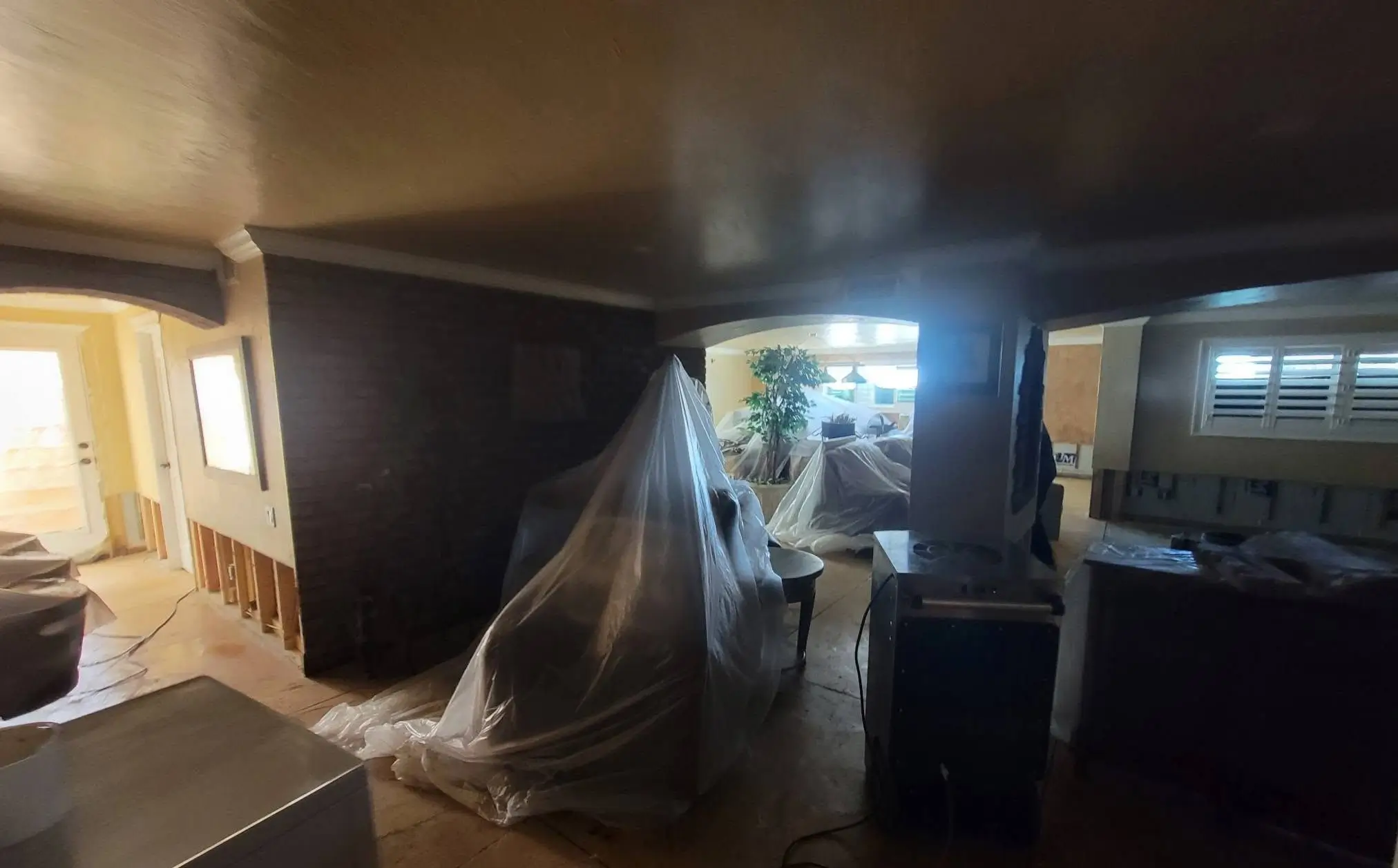
Storage, Tracking and Return
Contents storage is part of the restoration sequence—not simply a place to leave boxes.
Items approved for storage are packed and labeled according to the inventory. The record connects the belonging or container to its original room, treatment status, and return priority.
Depending on the approved scope, storage controls can include:
- Separate zones for untreated and cleaned items
- Box and container labels tied to the inventory
- Wrapped-item identification
- Room-based grouping
- Priority-access records
- Documentation of items sent to specialists
- Records of items released to the owner
- Return status and final placement
Belongings should not be returned because the cleanup crew has finished packing. Return depends on whether the property is ready to receive them.
Before pack-back, we confirm that:
- The water source has been corrected.
- The affected structure has been cleaned and dried.
- Repair or reconstruction work that could damage the contents is complete.
- Dust, debris, paint, adhesives, and other construction conditions are under control.
- The owner or responsible party has approved the return schedule.
- The original room is accessible and ready for placement.
Return is organized by room and practical priority. Large furniture and foundational items are placed before smaller boxes where appropriate. Unpacked items are checked against the inventory, and unresolved damage or missing-item concerns are recorded at handoff.
Items That May Be Non-Salvageable
Common examples include:
- Mattresses and heavily saturated bedding
- Carpet padding
- Foam cushions exposed to contaminated water
- Stuffed toys affected by sewage or floodwater
- Swollen particleboard furniture
- Paper and cardboard exposed to contaminated water
- Food, medicine, and cosmetics contacted by floodwater
- Baby bottles, pacifiers, and similar items exposed to contamination
- Upholstery saturated through its internal padding
- Electronics determined unsafe or impractical to restore
- Items with extensive mold growth that cannot be cleaned completely
An item may need to be discarded when it cannot be thoroughly cleaned, safely dried, or returned to its intended use.
EPA guidance distinguishes between non-absorbent materials that can often be cleaned and dried and highly absorbent materials that may need to be discarded. It also recommends documenting belongings before cleanup and separating items that cannot be cleaned and dried.
Sentimental or high-value items are not automatically discarded because ordinary treatment is unsuitable. We can isolate them for owner review or specialist conservation, provided they can be handled and stored without creating a contamination risk.
Brooklyn Contents Restoration Example
Consider a supply-line failure in an upper-floor Brooklyn apartment that affects a living room, hallway, and part of a bedroom.
The structural response may require moving furniture and belongings away from wet flooring and walls. The contents process would begin by separating dry items from affected items—not by packing the entire apartment indiscriminately.
A practical decision path would look like this:
1
Living Room
A solid-wood table with surface exposure may be cleaned, dried, and protected. Upholstered seating requires inspection of the fabric, padding, frame, and depth of water penetration. Books and papers are separated by moisture condition. Wet photographs are not stacked with ordinary documents.
2
Hallway
Shoes, bags, coats, and stored items are grouped by material and exposure. Contents blocking access to wet baseboards or flooring may be packed out even when they were not directly damaged.
3
Bedroom
Clothing is sorted for laundering, specialist treatment, or non-salvageable classification. Clean clothing from unaffected storage is kept separate from damp or contaminated textiles.
4
Inventory and Authorization
Each packed group is tied to the room inventory. High-priority belongings are identified, and no questionable item is discarded without authorization when safe retention is possible.
5
Return
Contents are returned only after the flooring, walls, and access routes are dry, repaired, and ready for placement.
Brooklyn had an estimated 1,141,824 housing units in 2025, while the owner-occupied housing rate was 29.5% during 2020–2024. In practical terms, contents projects often require coordination among tenants, landlords, supers, property managers, or building boards—not only the person present when the damage is discovered.
Brooklyn’s mix of private and public housing also means the same pack-out method cannot be applied to every property. Access, authorization, shared areas, and available storage space must be confirmed for the specific building.
This is a service-decision example, not a fabricated customer case study.
What the Service Includes and Does Not Include
Contents restoration can include
- Initial contents assessment
- Room-by-room inventory
- Photographs and item identification
- Salvage classification
- Packing and protective wrapping
- Controlled removal from the work area
- Cleaning of approved belongings
- Drying of suitable contents
- Approved contents storage
- Tracking by item, group, or container
- Priority-item access planning
- Organized pack-back and return
Not Automatically Included
- Structural water extraction
- Wall, ceiling, or flooring drying
- Building repair or reconstruction
- Mold remediation requiring a separate scope
- Hazardous-material testing
- Electrical safety certification
- Appliance or electronics repair
- Fine-art conservation unless arranged
- Unlimited access to stored items
- Disposal without owner authorization
- Insurance coverage or claim approval
- Exact restoration of every damaged item
The final scope depends on the water source, contamination category, item condition, material, volume of contents, property access, treatment requirements, and approved storage arrangement.
Why Choose Water Damage Restoration NYC?
Inventory Before Movement
We document where belongings came from, their visible condition, and their proposed action before the pack-out becomes a room full of untraceable boxes.
Salvage Decisions Based on the Item
Material, water category, exposure depth, intended use, and replacement or sentimental value guide the decision. We do not apply one disposal rule to every belonging.
Brooklyn Access and Authorization Are Planned
Water Damage Restoration NYC serves properties throughout NYC, while this contents service is organized specifically for Brooklyn apartments, rowhouses, multifamily properties, private homes, and commercial spaces.
Walk-up access, shared entrances, elevator restrictions, tenant-landlord communication, and building-management approvals are considered before items are moved.
Return Is Tied to Property Readiness
Cleaned belongings are not returned to an active drying or construction area. Pack-back is scheduled after the destination rooms are ready and the responsible decision-maker approves the return.
Frequently Asked Questions
When do I need contents restoration?
You need contents restoration when belongings must be moved, documented, cleaned, dried, protected, or stored because water damage has affected the items or the room around them.
A pack-out may also be required when undamaged belongings block access to wet walls, floors, or ceilings.
What does your Brooklyn contents service include?
The service can include assessment, inventory, photographs, salvage classification, packing, cleaning, drying, storage coordination, tracking, and organized return.
The exact scope depends on the item type, water category, condition, volume, access, and approved treatment.
How quickly can you arrive?
Our estimated arrival in Brooklyn is 1–2 hours, subject to traffic, weather, parking, building access, elevator availability, and current service demand.
The first visit may focus on inspection, emergency protection, and defining the required pack-out scope.
What affects the cost of contents restoration?
Cost depends on the number and type of belongings, packing labor, cleaning methods, contamination, storage duration, access, specialist referrals, and pack-back requirements.
A limited bedroom pack-out has a different scope from inventorying and relocating the contents of several rooms or a commercial property.
Can you document damaged belongings for insurance?
Yes. Documentation can include photographs, room location, visible condition, salvage classification, packed-container numbers, approved disposal, cleaning status, and return records.
Water Damage Restoration NYC documents the contents work performed. The insurance carrier determines coverage, valuation, depreciation, authorization, and payment.
Protect Water-Damaged Belongings Before More Is Lost
Do not allow wet furniture, clothing, records, or personal belongings to remain mixed with dry items or block access to the damaged structure.
Call Water Damage Restoration NYC at +19172034372 for contents restoration in Brooklyn. We will confirm the estimated 1–2 hour arrival, assess the affected belongings, and explain what should be protected, packed, cleaned, stored, or referred for specialist treatment.