
WATER DAMAGE RESTORATION NYC
Document and Media Restoration After Water Damage in Brooklyn
Water Damage Restoration NYC provides document restoration in Brooklyn for wet records, books, photographs, and media. We triage affected items, establish chain of custody, stabilize recoverable materials, and coordinate the correct drying method, with an estimated 1–2 hour arrival.
Document Recovery Commitments
1–2 Hour Estimated Arrival
Itemized Chain of Custody
Format-Specific Recovery Decisions
Documented Return or Disposition
IMMEDIATE RECOVERY ACTIONS
First Triage for Wet Documents and Media
The first objective is to stabilize the information and prevent avoidable handling damage.
Wet paper loses strength. Coated pages can bond together as they begin to dry. Ink may bleed. Photographic surfaces can soften, and magnetic or electronic media can be damaged further when someone attempts to play or power it on.
Until Water Damage Restoration NYC arrives:
- Do not pull apart pages that are stuck together.
- Do not stack loose wet papers into a heavy pile.
- Do not apply direct heat or place records in strong sunlight.
- Do not wipe or touch the image side of wet photographs.
- Do not play wet tapes or connect wet electronic media.
- Keep clean-water items separate from records exposed to sewage or floodwater.
- Avoid moving labeled folders out of sequence.
- Keep people away when the water source is contaminated or active mold is visible.
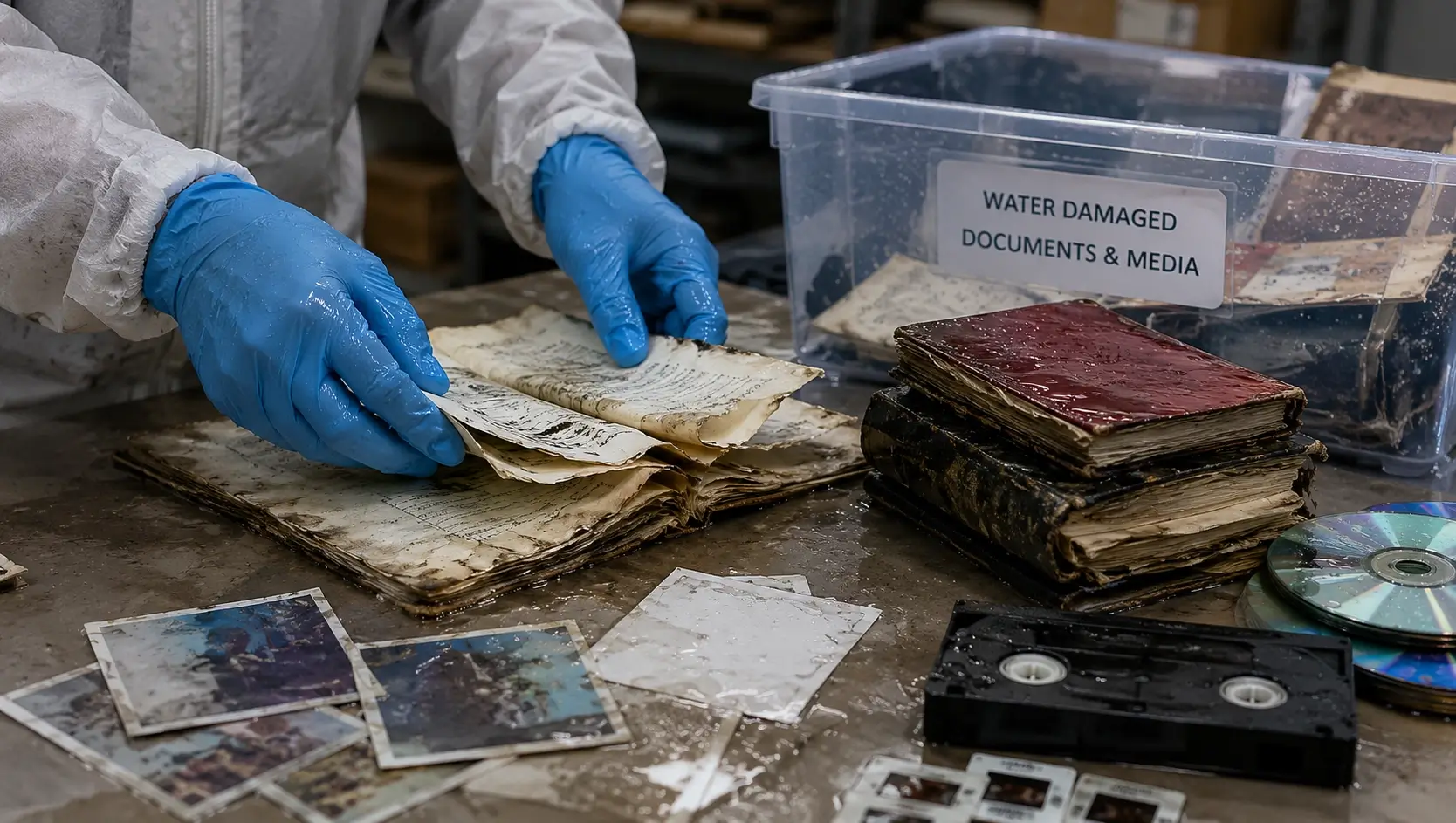
Initial Triage Record
Our initial triage records the water source, apparent contamination category, affected quantity, material type, exposure condition, business or personal priority, and available working space.
Water category matters because sewage, groundwater, and outdoor flooding create different recovery limits from a clean supply-line leak. A relatively sanitary loss can also deteriorate as water remains in contact with contaminated surfaces and absorbent materials.
Documents Are Then Assigned to an Immediate Action:
- Air-dry on site
- Stabilize for later drying
- Pack and freeze eligible paper records
- Isolate for specialist conservation
- Separate contaminated or non-recoverable material
- Refer magnetic, electronic, photographic, or audiovisual media to the appropriate specialist
Not every wet item should be frozen, and not every document should be air-dried. The decision depends on the material, quantity, water source, condition, and time available.
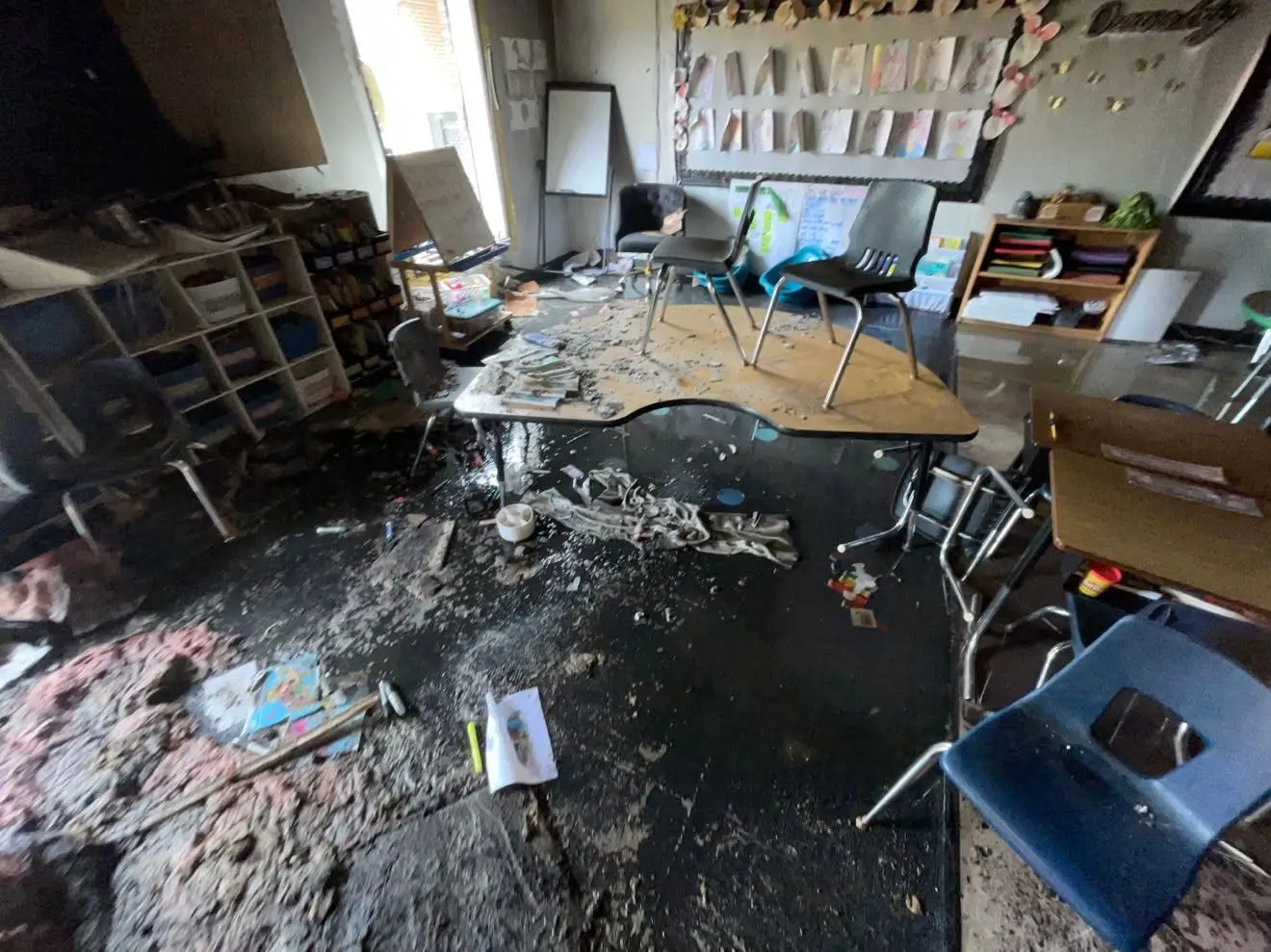
CONTROLLED MOVEMENT AND TRACKING
Chain of Custody and Inventory
Document recovery should not begin with unidentified boxes leaving the property.
Before affected records are moved, Water Damage Restoration NYC creates an inventory that connects each item or grouped record set to its original location and approved recovery action.
The record can include:
- Property and affected room
- Cabinet, shelf, drawer, or storage location
- File range or document group
- Box or container number
- Visible condition
- Water source and apparent category
- Recovery priority
- Proposed drying method
- Privacy or access restriction
- Person authorizing movement
- Transfer, storage, and return status
- Disposal authorization where applicable
Records are packed in their existing order whenever the condition allows. Boxes and file groups receive unique identifiers so they can be traced through stabilization, drying, specialist treatment, storage, and return.
National Archives guidance emphasizes coding each box, recording its general contents, and maintaining photographic and written records throughout recovery. This documentation helps restore records to their original order and supports later insurance or loss decisions.
Protecting Confidential Information
Business records may contain tenant information, financial details, employee files, legal correspondence, medical information, contracts, or customer data.
Our handling plan can establish:
- Restricted access groups
- Sealed or closed containers
- Minimum necessary handling
- Named authorization contacts
- Documented transfers between locations
- Separate storage for confidential records
- Owner approval before disposal
- A return or disposition record
We do not need to read the contents of each document to inventory it. File titles, cabinet locations, existing labels, date ranges, and authorized descriptions can often provide enough information to preserve order without unnecessary exposure.
FORMAT-SPECIFIC RECOVERY
Drying and Recovery Options
The recovery method is selected according to the document format, wetness, contamination, quantity, sensitivity, and required access.
Air Drying
Air drying may be appropriate for a manageable number of damp or partially wet paper records.
Documents can be arranged in a cool, dry environment with controlled air circulation. Pages or folders may be supported and separated with clean absorbent material where appropriate. Saturated items should not be laid in deep stacks because their weight can distort and tear weakened paper.
High heat can dry paper quickly but may cause permanent damage. National Archives guidance recommends a cool, dry location with good air circulation and identifies air drying as practical for smaller quantities when physical distortion is acceptable.
Freezing for Stabilization
Freezing can pause deterioration when the volume of wet paper is too large to process immediately.
It can:
- Reduce continued ink movement
- Prevent coated pages from bonding while awaiting treatment
- Limit additional physical handling
- Slow mold development
- Preserve the existing file order until controlled drying can begin
Quantities that cannot be handled within approximately 48 hours may be candidates for freezing, but photographs, magnetic media, and other sensitive formats require separate decisions.
Water Damage Restoration NYC confirms whether freezing is suitable before preparing records for transport or specialist treatment.
Vacuum Freeze-Drying
Vacuum freeze-drying may be selected for large quantities of saturated paper, bound records, coated stock, and certain water-sensitive materials.
In this process, frozen water is removed through sublimation rather than passing through a liquid stage. This can reduce sticking, wicking, and the movement of soluble media compared with some other bulk-drying methods.
Vacuum freeze-drying stabilizes and dries records. It does not guarantee that pages will return to their original flatness, color, strength, or appearance.
Where this method is appropriate, we document and coordinate the transfer to a suitable specialist rather than representing ordinary drying equipment as document-conservation treatment.
Books and Bound Records
Books and binders are evaluated according to their paper, binding, coating, saturation, and condition.
Possible actions include:
- Standing damp books upright with pages gently opened
- Air drying small quantities
- Interleaving where suitable
- Freezing saturated bound materials
- Separating coated-paper volumes for urgent treatment
- Referring rare, historic, or valuable volumes to a conservator
Wet books should not be forced open. Their bindings and text blocks can tear under the weight of absorbed water.
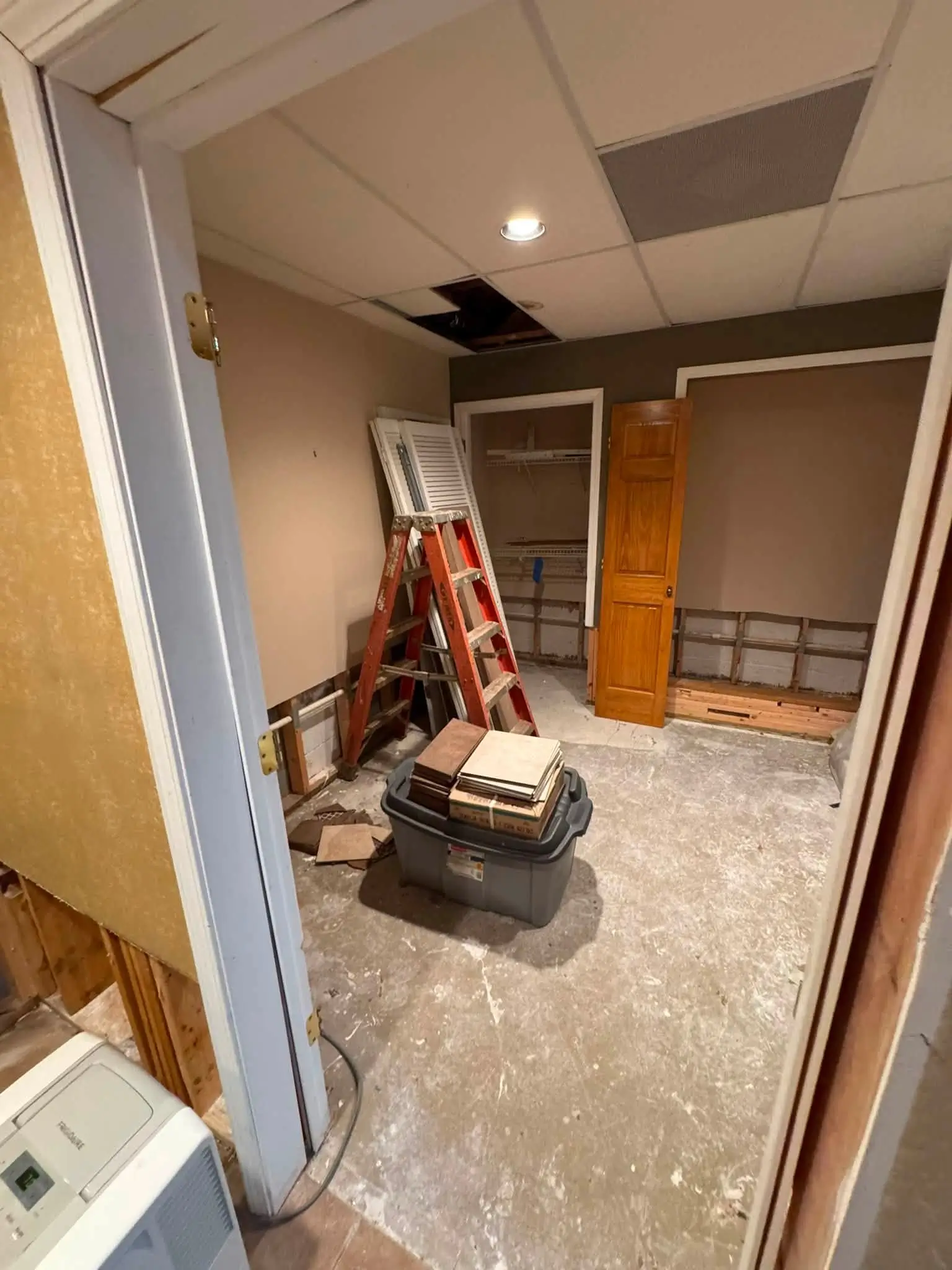
Photographs, Negatives, and Film
Photographic materials require format-specific handling because some image layers can soften, separate, or adhere to adjacent surfaces after brief water exposure.
We avoid peeling stuck photographs apart or assuming that freezing is suitable for every format. Valuable, irreplaceable, historic, or unidentified photographic materials are separated for specialist review.
Magnetic and Digital Media
Magnetic tapes, video cassettes, optical discs, hard drives, and other electronic media do not follow paper-drying procedures.
Wet or contaminated tapes should not be played, and magnetic tape should not be frozen or freeze-dried. Handling, cleaning, and data recovery should be performed according to the specific media format.
Our role is to identify, isolate, inventory, protect, and route affected media to an appropriate recovery provider when specialized work is required.
Privacy, Handling Limits and Non-Recoverable Items
Document restoration aims to preserve information and return records to usable or stable condition. It cannot reverse every effect of water exposure.
Recovery may remain possible even when pages are stained, wrinkled, or physically distorted. Cosmetic appearance and information recovery are separate outcomes.
An Item May Be Classified as Non-Recoverable When:
- Sewage or contaminated floodwater has penetrated material that cannot be treated safely.
- Paper has broken down into pulp or lost the information it carried.
- Coated pages have bonded beyond practical separation.
- Ink or image material has washed away.
- Mold growth has severely damaged the support.
- Photographic layers have separated or adhered permanently.
- Media has corroded, delaminated, or lost readable data.
- Treatment cost is disproportionate to the item’s value or required use.
This Service Does Not Automatically Include:
- Legal advice about record-retention obligations
- Forensic examination
- Data-breach investigation
- Guaranteed data recovery
- Archival appraisal
- Document authentication
- Scanning or digitization of every file
- Certified destruction or shredding
- Conservation of rare or museum-grade materials
Irreplaceable records are not discarded automatically. They can be isolated for owner review, legal retention review, specialist evaluation, or an insurance decision.
Those needs are identified separately before the scope proceeds.
OPERATIONAL DECISION PATH
Business Records Recovery Example
Consider a Brooklyn professional office where an overhead pipe release affects several filing cabinets, boxed records, photographs, and computer media.
This is the decision process Water Damage Restoration NYC would use:
1. Stabilize the Area
The active source and building conditions are addressed first. Clean records are separated from wet and contaminated materials.
2. Preserve Existing Order
Each cabinet, drawer, box, and record range is photographed and assigned an inventory identifier before movement.
3. Set Business Priorities
Current contracts, payroll information, active client files, compliance records, and materials needed for immediate operations are prioritized with the authorized representative.
4. Select the Recovery Path
Damp files that can be handled safely may be air-dried. Saturated paper that cannot be processed promptly may be prepared for freezing or specialist drying. Wet electronic and magnetic media are isolated without being powered on.
5. Record the Outcome
Each group is marked as returned, drying, referred, stored, awaiting authorization, or non-recoverable. The office receives a clear record of where the documents went and what happens next.
Brooklyn had an estimated 1,141,824 housing units in 2025, while only 29.5% of occupied units were owner-occupied during 2020–2024. In practical terms, many Brooklyn losses require coordination among tenants, landlords, supers, management companies, business occupants, or building boards before private records can be removed or returned.
This is an operational example, not a fabricated customer project.
SCOPE BOUNDARIES
What the Service Includes and Does Not Include
Document and Media Restoration Can Include
- Initial document and media triage
- Water-category and exposure assessment
- Room, cabinet, shelf, and box inventory
- Photographic condition documentation
- Chain-of-custody records
- Air-drying plans for suitable paper
- Packing eligible records for freezing
- Coordination with specialist recovery providers
- Privacy and restricted-access instructions
- Recoverable/non-recoverable classification
- Return, storage, or disposition tracking
- Documentation for the property file
Not Automatically Included
- Repair of the water source
- Structural water extraction or drying
- Building repair or reconstruction
- Guaranteed recovery of all information
- Forensic data recovery
- Legal or regulatory retention advice
- In-house freeze-drying unless confirmed
- Rare-book or museum conservation
- Appraisal or authentication
- Bulk scanning or digitization
- Destruction without authorization
- Insurance coverage or claim approval
Final inclusions depend on the water source, material format, quantity, contamination, privacy requirements, building access, and recovery method approved after inspection.
DOCUMENTED AND FORMAT-SPECIFIC SERVICE
Why Choose Water Damage Restoration NYC?
Inventory Before Movement
Documents are tied to their room, cabinet, file group, or container before they leave the affected area.
Recovery Decisions Follow the Format
Paper, photographs, books, magnetic tapes, and electronic media are not handled through one generic drying process.
Privacy Boundaries Are Defined
Access, authorization, transfer, storage, and disposal instructions are documented for sensitive personal and business records.
Brooklyn Access Is Planned
Water Damage Restoration NYC serves properties throughout NYC, while this service is specifically organized for Brooklyn apartments, homes, offices, multifamily buildings, and commercial properties.
Shared hallways, walk-up access, elevators, loading restrictions, building management, and multiple decision-makers are considered before materials are moved. Our estimated Brooklyn arrival is 1–2 hours, subject to traffic, weather, parking, and building access.
Frequently Asked Questions
You need document restoration when records, books, photographs, or media are wet, damp, contaminated, stuck together, or at risk of mold and information loss.
Call before separating pages, applying heat, playing tapes, or powering on wet electronic media.
The service can include triage, inventory, chain of custody, stabilization, air-drying planning, preparation for freezing, specialist coordination, privacy controls, and documented return or disposition.
The exact scope depends on the format, quantity, water source, condition, and recovery value.
Our estimated arrival in Brooklyn is 1–2 hours.
Recovery time depends on the number of records, saturation level, material type, contamination, selected drying method, specialist capacity, and whether the documents must remain frozen until treatment begins.
Cost depends on the volume and format of the materials, inventory detail, handling restrictions, packing labor, drying method, contamination, specialist treatment, storage, and return requirements.
Air drying a limited group of damp files has a different scope from recovering saturated business records or mixed photographic and electronic media.
Yes. Documentation can include the original location, photographs, visible condition, item or box identification, proposed recovery method, transfers, non-recoverable classifications, and final disposition.
Water Damage Restoration NYC documents the work and observed condition. The insurance carrier determines coverage, valuation, depreciation, authorization, and payment.
PROTECT THE INFORMATION
Protect Wet Records Before the Information Is Lost
Do not separate stuck pages, apply direct heat, or power on wet media.
Call Water Damage Restoration NYC at +19172034372 for document and media restoration in Brooklyn. We will confirm the estimated 1–2 hour arrival, establish recovery priorities, and explain what should be air-dried, stabilized, frozen, isolated, or referred for specialist treatment.
Emergency Service Form
Submitting the form does not guarantee an immediate response. For active water emergencies, call +19172034372.