Water Damage Reconstruction and Build-Back in Brooklyn
Water Damage Restoration NYC provides water damage reconstruction in Brooklyn after damaged materials are removed and structural drying is verified. We rebuild affected assemblies, coordinate required trades, restore interior finishes, and document the project handoff. Estimated inspection arrival is 1–2 hours.
Reconstruction Service Commitments
1–2 Hour Estimated Inspection Arrival
Post-Drying Build-Back
Defined Construction Milestones
Brooklyn Project Coordination
When Water Damage Requires Reconstruction
Reconstruction is required when water damage extends beyond a surface patch and parts of the building must be rebuilt.
A small section of removed drywall may belong under a water-damage repair scope. Reconstruction becomes the more appropriate service when the loss affects connected assemblies, multiple trades, structural components, room layouts, or a substantial portion of the finished space.
Reconstruction does not begin simply because standing water is gone. The water source must be corrected, contaminated materials must be handled, and retained structural components must reach the approved drying condition.
Water damage can cause wood rot, composite-wood swelling, plywood delamination, steel corrosion, and damage to electrical systems. Those conditions must be evaluated before new finishes conceal the affected assembly.
Water Damage Restoration NYC may recommend a reconstruction scope when:
- Wall or ceiling assemblies were opened extensively during mitigation.
- Framing requires repair, reinforcement, or replacement.
- Wet insulation was removed from several connected areas.
- Flooring and subflooring require coordinated replacement.
- Cabinets, built-ins, or fixtures must be removed and reset.
- Electrical, plumbing, or HVAC work must occur before walls are closed.
- The project requires architectural drawings, permits, or inspections.
- Several rooms must be rebuilt in a controlled sequence.
- A flood or major indoor water loss caused widespread demolition.
- The property cannot return to normal use through isolated repairs alone.
Demolition and Build-Back Scope
The build-back scope begins with the condition left after emergency removal, cleanup, and drying.
We review what was demolished, what remains in place, and what must be restored for the room or property to function again. This prevents reconstruction estimates from being based only on visible openings or an incomplete list of removed materials.
The scope can identify:
- Demolition boundaries
- Retained structural components
- Framing repairs
- Insulation type and location
- Wall and ceiling assemblies
- Flooring and underlayment
- Trim, doors, and transitions
- Cabinets and built-in components
- Plumbing, electrical, and mechanical dependencies
- Paint and finish boundaries
- Required permits or inspections
- Work assigned to separate specialists
- Final completion and handoff conditions
Framing
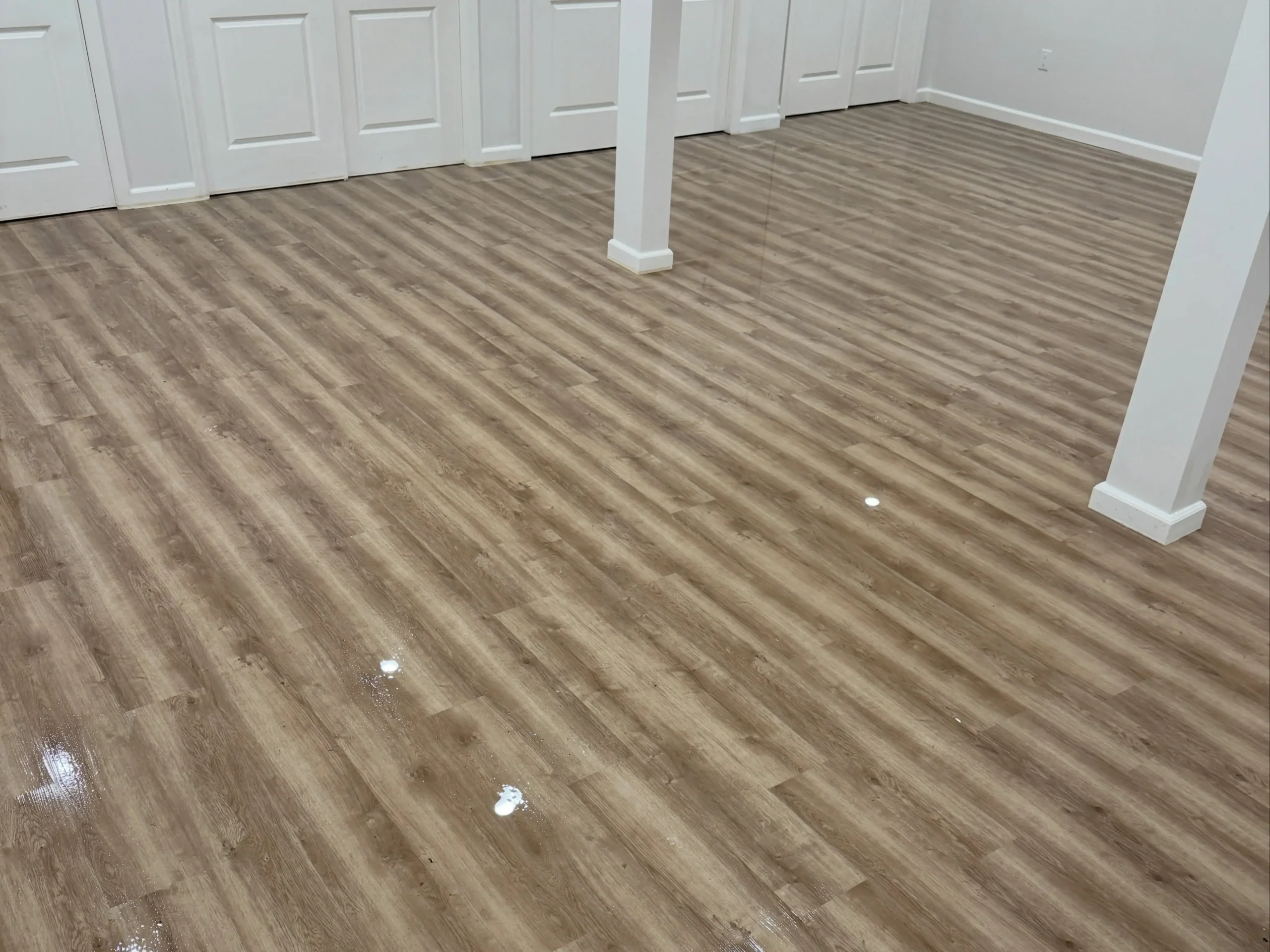
Framing is evaluated before insulation or wall finishes are installed.
Water-exposed studs, joists, plates, blocking, and other structural wood may remain suitable when they are dry, stable, and free from material deterioration. Framing may require repair when it has split, shifted, lost section strength, remained damaged after removal work, or must be modified to support the approved build-back.
The framing scope may include:
- Replacing damaged studs or plates
- Installing blocking for drywall or fixtures
- Repairing nonstructural wall framing
- Rebuilding soffits or framed openings
- Preparing support for cabinets or trim
- Coordinating structural review where load-bearing components are involved
Load-bearing alterations and significant structural conditions may require drawings, engineering, permits, or another qualified professional. We identify that dependency before the assembly is closed.
Insulation
Insulation is installed only after the cavity is dry, accessible, and ready to close.
The reconstruction plan considers:
- Wall or ceiling location
- Existing insulation type
- Required thermal performance
- Sound-control requirements
- Vapor-control conditions
- Fire-blocking or fire-stopping requirements
- Plumbing, wiring, and mechanical components inside the cavity
Replacement insulation should not be compressed, installed around unresolved moisture, or used to conceal an incomplete repair. Where the original assembly cannot be reproduced exactly, the proposed replacement is documented before installation.
Drywall and Plaster Assemblies
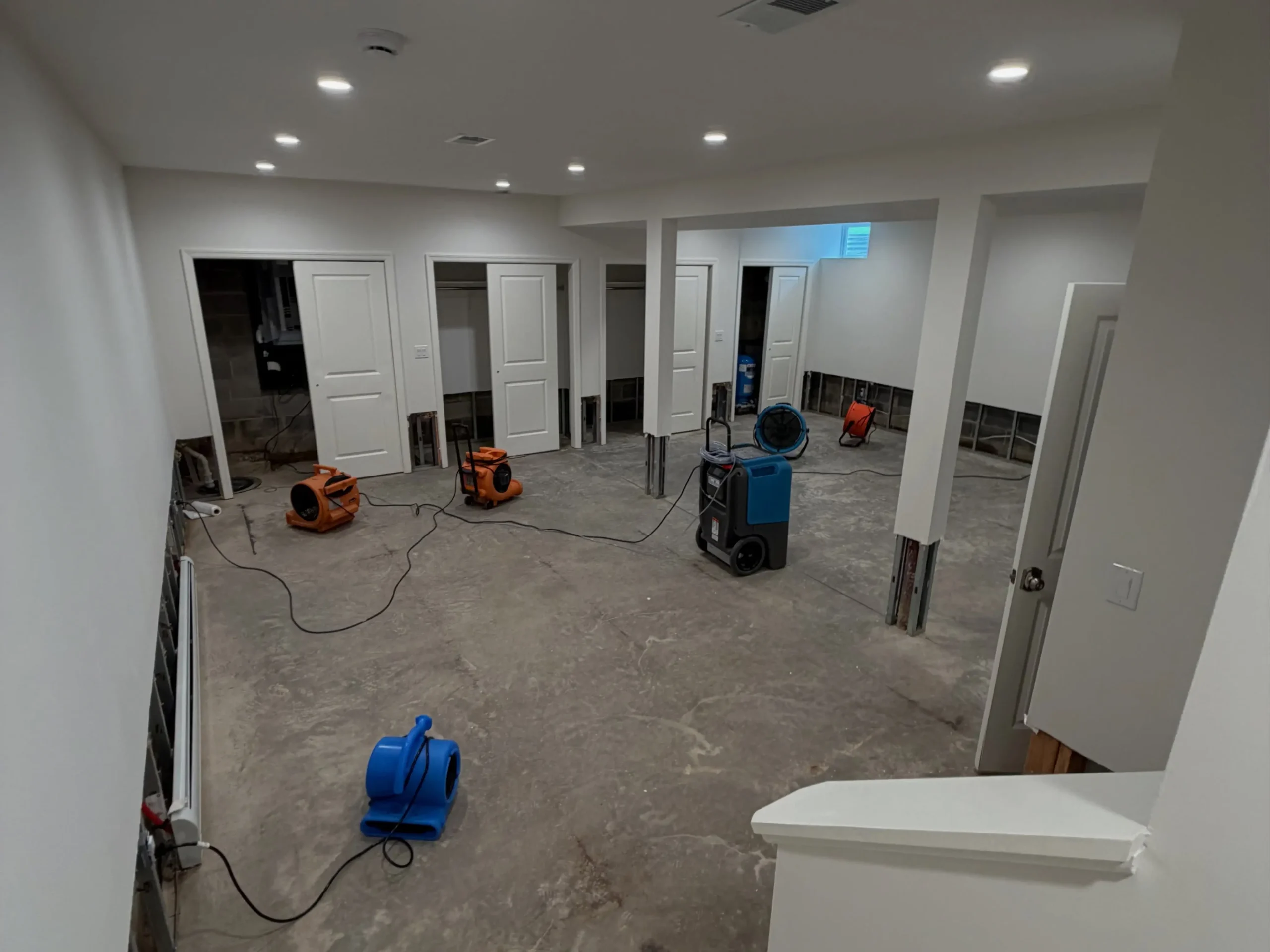
Drywall reconstruction can include full panels, connected wall sections, ceilings, soffits, access openings, and transitions to retained surfaces.
We plan panel boundaries around framing support, room geometry, existing thickness, fixture locations, and the finish expected at completion. Seams are placed to support a stable finish rather than automatically following an irregular demolition edge.
Brooklyn properties may also contain traditional plaster assemblies. Stable retained plaster may be integrated with the new work, while extensive failure or incompatibility can require a wider reconstruction boundary.
Drywall and plaster work can include:
- Panel or substrate installation
- Corner and edge treatment
- Joint finishing
- Surface preparation
- Texture coordination
- Primer and finish coating
Flooring
Floor reconstruction begins with the supporting assembly.
Before installing the finished material, we assess the subfloor, underlayment, slab, sleepers, transitions, door clearance, cabinet layout, and adjoining rooms.
The scope may include:
- Subfloor repair or replacement
- Underlayment installation
- Hardwood or engineered flooring
- Tile and setting materials
- Resilient flooring
- Base transitions and thresholds
- Stair or landing connections
- Floor preparation beneath cabinets and appliances
A replacement boundary may extend beyond the original wet area when connected flooring cannot be patched securely or matched reasonably. We define that boundary before materials are ordered.
Finishes
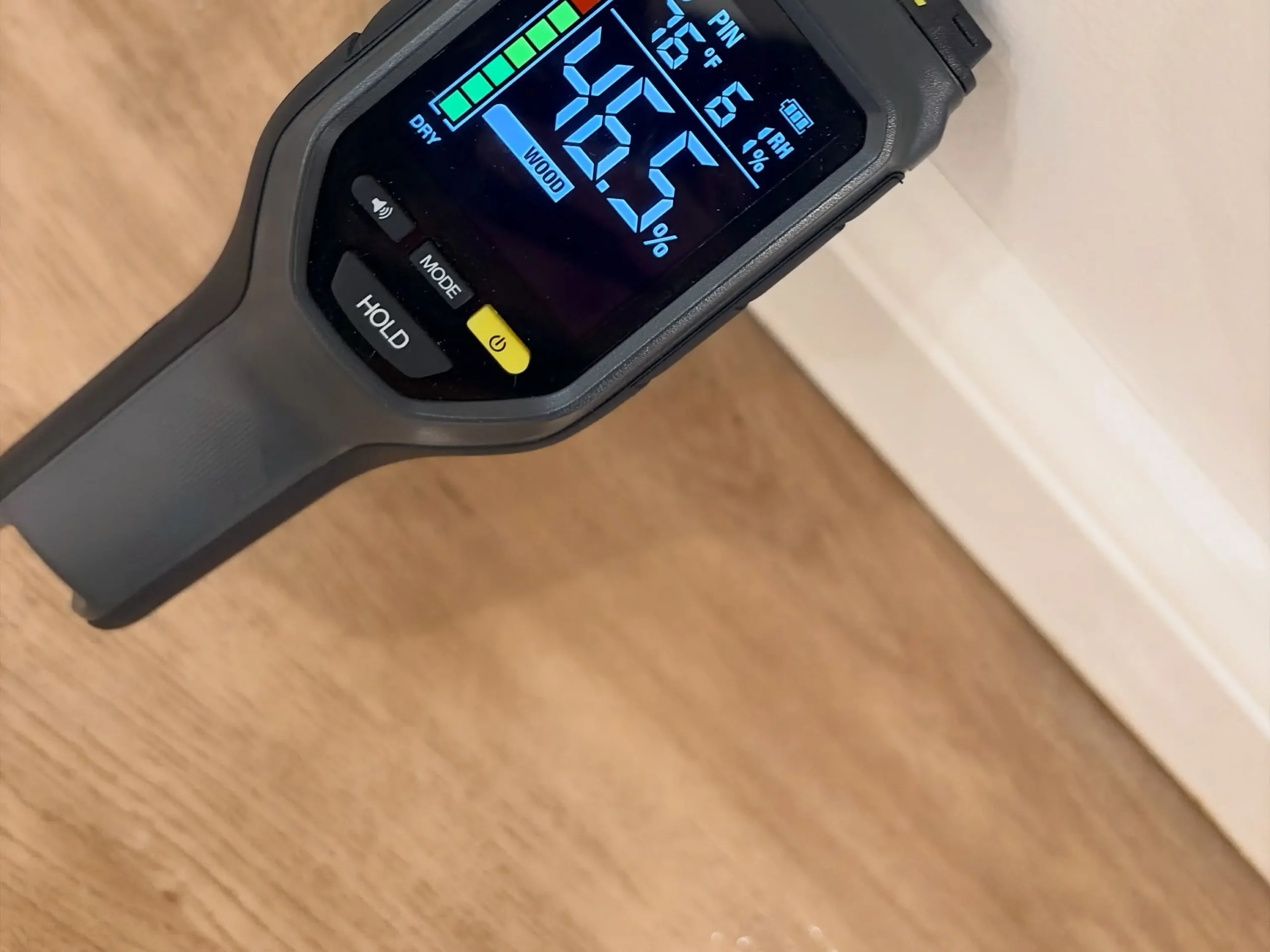
Finish restoration brings the reconstructed area back into practical use.
Depending on the approved scope, finishes can include:
- Baseboards and door casings
- Interior doors and hardware
- Wall and ceiling paint
- Flooring transitions
- Cabinet panels or components
- Decorative molding
- Caulked and sealed joints
- Fixture resets
- Final surface preparation
Exact matching cannot always be promised. Existing paint may have faded, wood may have changed color, and discontinued flooring or trim may no longer be available.
When an exact match is not practical, we propose a controlled transition at a corner, doorway, complete wall, ceiling plane, flooring break, or other natural boundary.
Permits, Scheduling and Trade Coordination
Not every build-back project has the same permit requirements.
Painting, plastering, installing cabinets, and certain ordinary repairs may not require a New York City Department of Buildings work permit. More substantial construction, structural changes, plumbing alterations, electrical work, and projects affecting use, egress, or occupancy can require filings, licensed trades, plans, or inspections. NYC DOB states that most construction requires a permit, while specific minor alterations and ordinary repairs may be exempt.
Water Damage Restoration NYC does not treat permit requirements as a standard line item added to every project. The requirement depends on the property and work being performed.
We review the proposed scope before construction starts and identify whether the project may require:
The Project May Require:
- A Department of Buildings filing
- A registered architect or professional engineer
- A licensed general contractor
- A licensed electrician
- A licensed master plumber
- Building-management approval
- Cooperative or condominium authorization
- Landmark-related approval
- Required inspections or sign-offs
- Access-hour or elevator scheduling
Scheduling follows the dependency between trades. For example, framing must be completed before insulation. Concealed plumbing and electrical work must be inspected before walls close when inspection is required. Flooring may need to wait until wall work and heavy construction are complete.
A typical sequence can include:
1
Post-drying scope confirmation
2
Design, filing, or building approval where needed
3
Material ordering
4
Framing and rough trade work
5
Required inspections
6
Insulation and wall closure
7
Flooring and built-in components
8
Trim, paint, and finish work
9
Final corrections and cleaning
10
Project handoff
The actual sequence is adjusted to the building, scope, material availability, and inspection requirements.
Reconstruction Milestones and Quality Checks
1
Milestone 1: Ready for Build-Back
The water source has been corrected, demolition is complete, contaminated material has been addressed, and retained assemblies have reached the documented drying target.
2
Milestone 2: Scope and Approvals Confirmed
The project boundary, material selections, building requirements, permit responsibilities, trade assignments, and exclusions are documented.
3
Milestone 3: Concealed Work Completed
Framing, blocking, insulation, plumbing, wiring, and other work that will be hidden behind finishes are checked before closure.
4
Milestone 4: Assemblies Restored
Walls, ceilings, floors, trim, cabinets, and connected components are installed according to the approved scope.
5
Milestone 5: Finish Restoration Completed
Surfaces are prepared, coatings are applied, transitions are completed, and approved fixtures or components are reset.
6
Milestone 6: Project Handoff
The final walkthrough records completed work, approved changes, remaining exclusions, care requirements, and items assigned to another party.
Quality Checks Can Include:
- Confirming the repair boundary
- Checking framing support and alignment
- Reviewing wall and ceiling surfaces under normal light
- Checking flooring transitions and movement
- Confirming doors, drawers, and cabinet components operate
- Reviewing paint coverage and finish consistency
- Identifying incomplete trade work
- Removing construction debris from the approved work area
Written-Scope Handoff
A reconstruction project should be measured against visible milestones rather than one broad promise to rebuild the property.
The handoff is based on the written reconstruction scope—not on unrelated renovation work that was never authorized.
Brooklyn Build-Back Project
Brooklyn includes private houses, historic rowhouses, rental apartments, cooperative housing, public housing, and high-density multifamily properties. The borough had more than 1.1 million housing units in 2022, at an average density of 15,876 units per square mile.
That density affects reconstruction operations. A Brooklyn build-back may require coordination with a tenant, owner, landlord, superintendent, property manager, cooperative board, condominium board, or neighboring occupant.
Brooklyn also contains 19th-century rowhouses alongside modern residential construction. This can create different combinations of plaster, masonry, wood framing, hardwood flooring, multilayer subfloors, modern drywall, and shared building systems.
Project Planning May Need to Address:
- Shared entrances and hallways
- Walk-up access
- Elevator reservations
- Delivery hours
- Common-area protection
- Noise restrictions
- Debris-removal routes
- Water and electrical shutoffs
- Access to adjacent units
- Building insurance requirements
- Board or management approval
For each Brooklyn reconstruction project, Water Damage Restoration NYC defines:
1
Initial condition:
What was removed and what remains after drying.
2
Build-back boundary:
Which rooms, assemblies, and finishes are included.
3
Trade sequence:
What must occur before walls, floors, or ceilings are closed.
4
Approval path:
Who authorizes materials, access, permits, and changes.
5
Completion outcome:
What must be installed, finished, tested, and documented before handoff.
This section defines our Brooklyn project standard. It does not use an invented customer address, project result, or testimonial.
What the Service Includes and Does Not Include
Reconstruction can include
- Post-drying build-back inspection
- Demolition-scope review
- Framing and blocking within the approved scope
- Insulation replacement
- Drywall, plaster-interface, and ceiling work
- Subfloor and flooring reconstruction
- Trim, door, and transition restoration
- Cabinet and built-in component work
- Priming, painting, and finish restoration
- Trade sequencing and access planning
- Final corrections and project handoff
- Construction documentation
Not automatically included
- Water extraction or emergency mitigation
- Sewage or contaminated-water cleanup
- Mold remediation
- Lead or asbestos testing and abatement
- Structural engineering unless specified
- Permanent plumbing-source repair
- Electrical or HVAC work outside the scope
- Permit and filing fees unless listed
- Board or management charges
- Unrelated remodeling or upgrades
- Exact matching of discontinued materials
- Insurance coverage or claim approval
Final inclusions depend on the inspected condition, approved drawings or scope, permit requirements, material selections, property access, and trade responsibilities.
Why Choose Water Damage Restoration NYC?
Reconstruction Begins With Verified Drying
We separate emergency water work from construction. Build-back starts after retained materials are documented as ready for closure.
The Scope Covers Complete Assemblies
We review framing, insulation, walls, floors, finishes, and connected trades instead of estimating only the most visible opening.
Sequencing and Boundaries Are Written
The project identifies what happens first, what requires approval, what belongs to another trade, and where our reconstruction scope ends.
The Service Is Organized for Brooklyn Properties
Water Damage Restoration NYC serves properties throughout NYC, while this reconstruction service is specifically planned for Brooklyn homes, apartments, rowhouses, multifamily buildings, and commercial properties.
Our estimated inspection arrival in Brooklyn is 1–2 hours, subject to traffic, weather, parking, and building access.
Frequently Asked Questions
When do I need water damage reconstruction?
You need reconstruction when water damage requires extensive build-back involving framing, insulation, connected walls, ceilings, flooring, built-ins, or several coordinated trades.
A localized finish patch may only require repair. Reconstruction is intended for larger assemblies and rooms affected by demolition.
What does your Brooklyn reconstruction service include?
The service can include framing, insulation, drywall, ceilings, flooring, trim, painting, cabinetry components, trade coordination, and project handoff.
The exact inclusions depend on the post-drying condition, approved scope, permits, material choices, and building requirements.
How quickly can you inspect the property?
Our estimated Brooklyn inspection arrival is 1–2 hours.
Construction does not necessarily begin at the first visit. Start dates depend on drying completion, approvals, permits, material availability, access, and required trade scheduling.
What affects the reconstruction cost?
Cost depends on the size and complexity of the build-back, damaged assemblies, framing work, material specifications, permit requirements, trade involvement, access, finish selections, and project duration.
A single reconstructed wall has a different scope from rebuilding multiple rooms with flooring, cabinets, plumbing, and electrical dependencies.
Can you document reconstruction for insurance?
Yes. Documentation can identify the post-drying condition, reconstruction boundary, material quantities, approved changes, photographs, completed work, and project handoff.
Water Damage Restoration NYC documents the construction scope and work performed. The insurer determines coverage, depreciation, deductibles, authorization, and payment.
Rebuild the Property After Water Damage
Major water damage requires more than replacing the visible drywall. Framing, insulation, connected finishes, trade dependencies, and approval requirements must be handled in the correct order.
Call Water Damage Restoration NYC at +19172034372 for water damage reconstruction in Brooklyn. We will confirm the current 1–2 hour estimated inspection arrival, review the post-drying condition, and define the build-back scope from framing through final handoff.