Water Damage Restoration BROOKLYN
Water Damage Restoration in Brooklyn, NY
Water Damage Restoration NYC helps Brooklyn property owners stop active water damage, find hidden moisture and move from stabilization to documented repair. Our Brooklyn arrival target is 1–2 hours, subject to access and dispatch conditions, with a clear scope before removal, drying or repair begins.
1–2 Hour Brooklyn Arrival Target
NYC-Wide Company With Brooklyn Dispatch
Moisture and Photo Documentation
Scope Approval Before Removal or Repair
Water Damage Help for Brooklyn Properties
Water damage restoration in Brooklyn starts with understanding the loss, not simply removing visible water.
Water can move beyond visible puddles into plaster, drywall, wood, flooring, insulation, cabinetry, masonry and concealed building assemblies. The correct restoration response depends on the source, affected materials and how far moisture has traveled.
Our assessment considers eight key factors:
- Where the water came from
- Whether the source has stopped
- The contamination level
- How far the water traveled
- Which materials absorbed it
- Whether moisture entered concealed assemblies
- Who controls access and authorizes the work
- What condition must be reached before repairs begin
Brooklyn water losses can also involve more than the person making the first call. Tenants, property owners, supers, property managers, condo or co-op representatives, neighboring units and insurance contacts may all be involved in access, authorization and documentation.
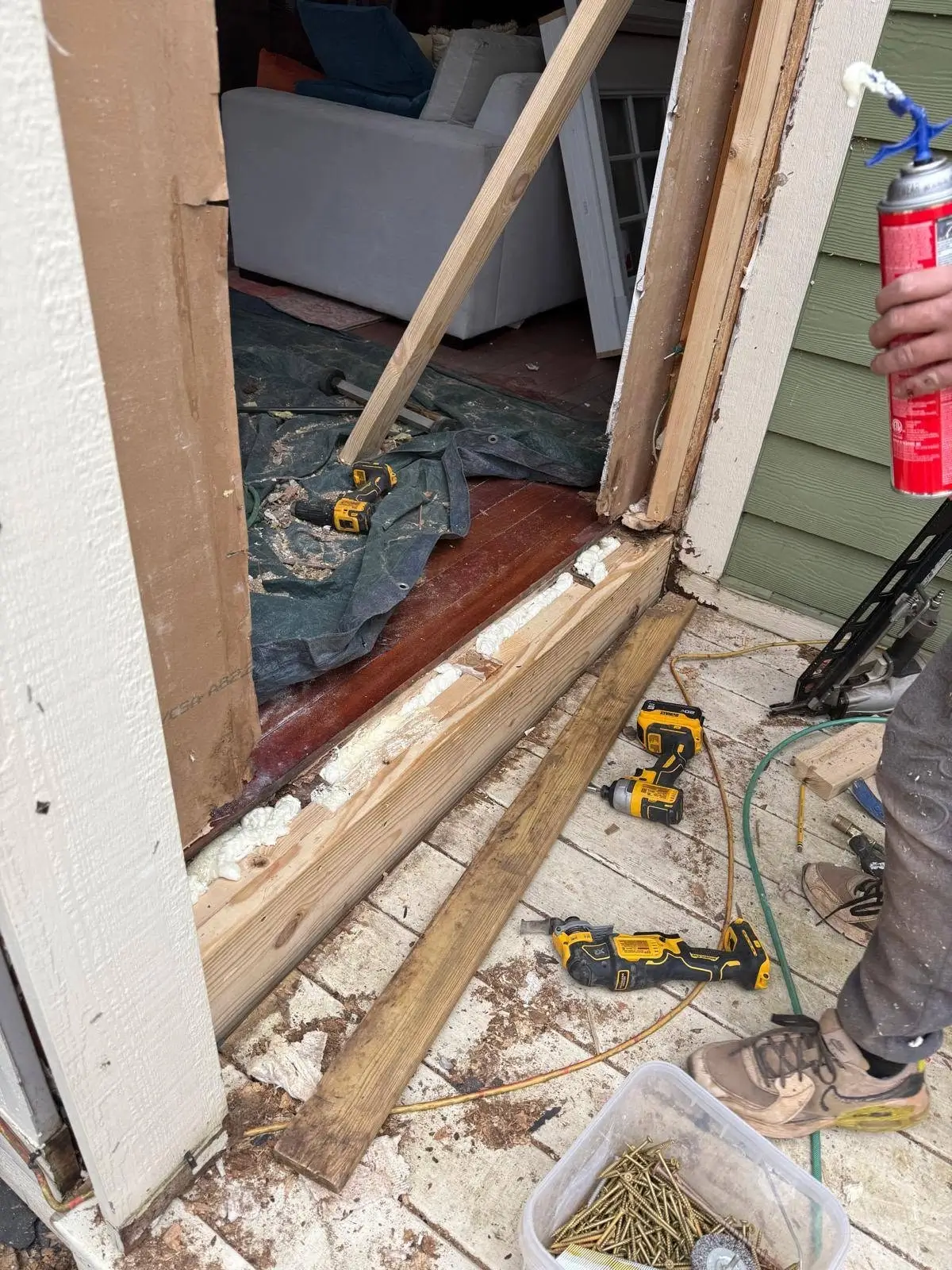
We establish who can authorize the work, what needs immediate stabilization and which specialist should handle the next stage. We do not treat every loss as the same job.
Call +19172034372 when water is still entering, spreading between rooms or units, affecting electrical components, causing a ceiling to sag or reaching a basement, cellar or garden-level space.
Water Damage Restoration in Brooklyn for Local Property Conditions
Brooklyn water damage is shaped by more than the amount of water visible on the floor. Dense housing, shared building systems, below-grade spaces, older construction, and both coastal and inland flooding can determine how far moisture travels and which restoration service is required.
That is why our approach to water damage restoration in Brooklyn starts with the source, affected materials, contamination condition, and moisture path before emergency water removal, structural drying, cleanup, or removal is defined.
Housing Units Across Brooklyn
Brooklyn has more than 1.14 million housing units, while only 29.5% are owner-occupied. Water damage can therefore involve tenants, landlords, supers, property managers, condo or co-op representatives, and neighboring units—not just one property owner.
Brooklyn Buildings in the Current 1% Annual-Chance Floodplain
More than 25,000 Brooklyn buildings are located within the mapped 1% annual-chance floodplain. Coastal exposure is one part of the risk, but a property does not need to be on the waterfront to experience serious water intrusion.
Intense Brooklyn Rainfall Can Overwhelm Drainage
NYC DEP says heavy downpours can deliver more than two inches of rain in a single hour. When rainfall exceeds local drainage capacity, water can reach basements, cellars, garden-level spaces, and ground-floor properties.
Brooklyn Flooding Is Not Only a Waterfront Problem
Stormwater flooding and coastal flooding are different property-loss conditions.
Brooklyn’s Comprehensive Plan identifies low elevation and limited drainage capacity as important factors in extreme-rain flooding. Its stormwater model shows that an extreme rainfall event of 3.5 inches per hour could affect most neighborhoods across the borough.
NYC is advancing dedicated Cloudburst flood-management projects in East New York, Brownsville, and Homecrest, reflecting the need to manage intense rainfall in inland Brooklyn as well as along the waterfront.
For restoration, the distinction matters. Rain entering from the street, groundwater moving into a cellar, a sewer backup, and coastal floodwater do not automatically receive the same flood damage restoration, sanitation, or material-removal plan.
Water Damage Restoration Across Brooklyn
We respond to water losses across Brooklyn, with the restoration scope based on the building, source, and affected areas rather than the neighborhood name alone.
North Brooklyn
Williamsburg, Greenpoint and Bushwick
Apartment buildings, multifamily properties, commercial spaces, and mixed-use buildings can involve water traveling between units, floors, or shared building systems. We identify the source area, affected units, and accessible moisture path before defining the restoration scope.
Brownstone Brooklyn
Brooklyn Heights, Boerum Hill, Cobble Hill, Carroll Gardens, Park Slope and Bedford-Stuyvesant
Brownstones and rowhouses can contain plaster, wood flooring, joists, masonry, and layered assemblies that retain moisture after the visible water has disappeared. Inspection follows the affected materials instead of stopping at the ceiling stain or wet floor.
Central & Eastern Brooklyn
Crown Heights, Flatbush, Brownsville, East New York and Canarsie
Water losses may involve plumbing failures, roof leaks, appliance discharge, sewer conditions, stormwater, or below-grade moisture. Brownsville and East New York are also among the Brooklyn areas where NYC is advancing dedicated Cloudburst flood-management projects.
South & Southwest Brooklyn
Sunset Park, Bay Ridge, Bensonhurst, Midwood, Sheepshead Bay and Coney Island
Properties range from apartments and attached homes to basements, commercial buildings, and coastal-area properties. The initial assessment distinguishes internal plumbing losses from stormwater, groundwater, sewer backup, or coastal exposure because each can require a different restoration response.
When a Brooklyn Basement or Ground Floor Floods After Heavy Rain
Removing the visible water is only the first step.
A recurring Brooklyn basement flood can involve surface runoff, overloaded drainage, groundwater, a sewer condition, or a defect within the property. Water may also remain inside drywall, plaster, insulation, flooring, or other materials after the floor looks dry. When the immediate goal is to limit additional damage, the project may begin with water damage mitigation in Brooklyn.
Our restoration team establishes:
Where the water appears to have entered
Whether the source is still active
Whether sewage or other contamination may be involved
How far moisture has moved beyond the visible waterline
Which materials require extraction, cleaning, drying, or removal
Whether a plumber, drain specialist, roofer, or another trade must correct the source
What conditions should be documented before restoration is closed
A recurring flood should not be treated as a series of unrelated cleanup jobs. The immediate water damage still needs to be stabilized, but the underlying source must also be identified and corrected by the appropriate party. When contamination is involved, water damage cleanup and sanitization is handled separately from source repair.
Local data sources: U.S. Census Bureau, NYC Office of the Comptroller, NYC Department of Environmental Protection, and the Comprehensive Plan for Brooklyn.
Choose the Service Your Loss Requires
The service you need is determined by the present condition of the property. A single loss may move through several services, but each service has a different purpose.
Emergency Response
Choose emergency response when the water is still entering, the affected area is expanding, more than one unit is involved or the property cannot be used safely.
The immediate objective is to confirm the source status, identify urgent hazards, limit movement and determine what must happen first. Emergency response does not automatically mean full demolition or repair.
Extraction
Choose extraction when standing or pooled water must be physically removed before the structure can be assessed and dried.
Extraction addresses removable water on floors, in carpet systems, around fixtures or in accessible low points. It does not prove that walls, subfloors, joists or other assemblies are dry.
Drying
Choose structural drying when visible water has been removed but moisture remains in the building.
Drying decisions are based on the affected materials, moisture readings, temperature, relative humidity and how the assembly is constructed. Plaster, wood, masonry and layered flooring can retain moisture longer than their surfaces suggest.
Cleanup
Choose cleanup when affected surfaces or contents require soil removal, sanitation, residue control or odor treatment.
The water source determines the handling procedure. Water from a clean supply line is not managed the same way as dishwasher discharge, groundwater, surface flooding or a sewer backup. Contaminated water requires separate controls and material decisions.
Repair
Choose repair after the water source has been corrected, contaminated materials have been addressed and the affected structure has reached the agreed drying condition.
Repair may involve replacing removed drywall, plaster sections, insulation, flooring, trim or finishes. Repair is quoted separately when its extent cannot be confirmed during the initial inspection.
Mitigation
Choose mitigation when the priority is preventing additional property damage.
Mitigation may include protecting unaffected areas, moving accessible contents, isolating the work zone and selectively removing materials that cannot remain safely in place. The scope depends on water source, exposure time, material condition and access.
Water Losses and Property Types We Handle
We assess water damage caused by supply-line failures, fixture overflows, appliance discharges, roof or building-envelope leaks, water entering from another unit, stormwater, groundwater and sewer backups.
The source changes the restoration plan. Clean supply water may allow more materials to be retained when addressed early. Water containing physical, chemical or biological contaminants may require controlled removal, cleaning and disposal. The condition can also change when water remains in contact with materials for an extended period.
We route the work according to the property and the parties involved.
Brownstones and Rowhouses
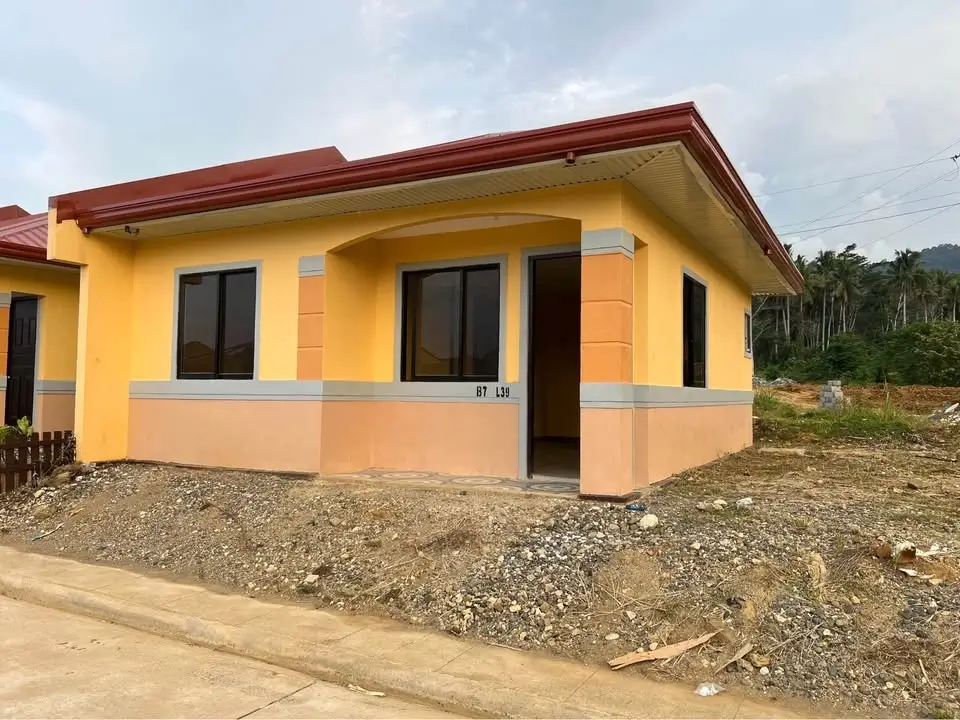
Water can move vertically through floor cavities and horizontally along joists, plaster, wood flooring and shared walls. The room where staining appears may not be directly below the source.
The inspection follows the moisture path instead of limiting the scope to the visible stain.
One- and Two-Family Homes
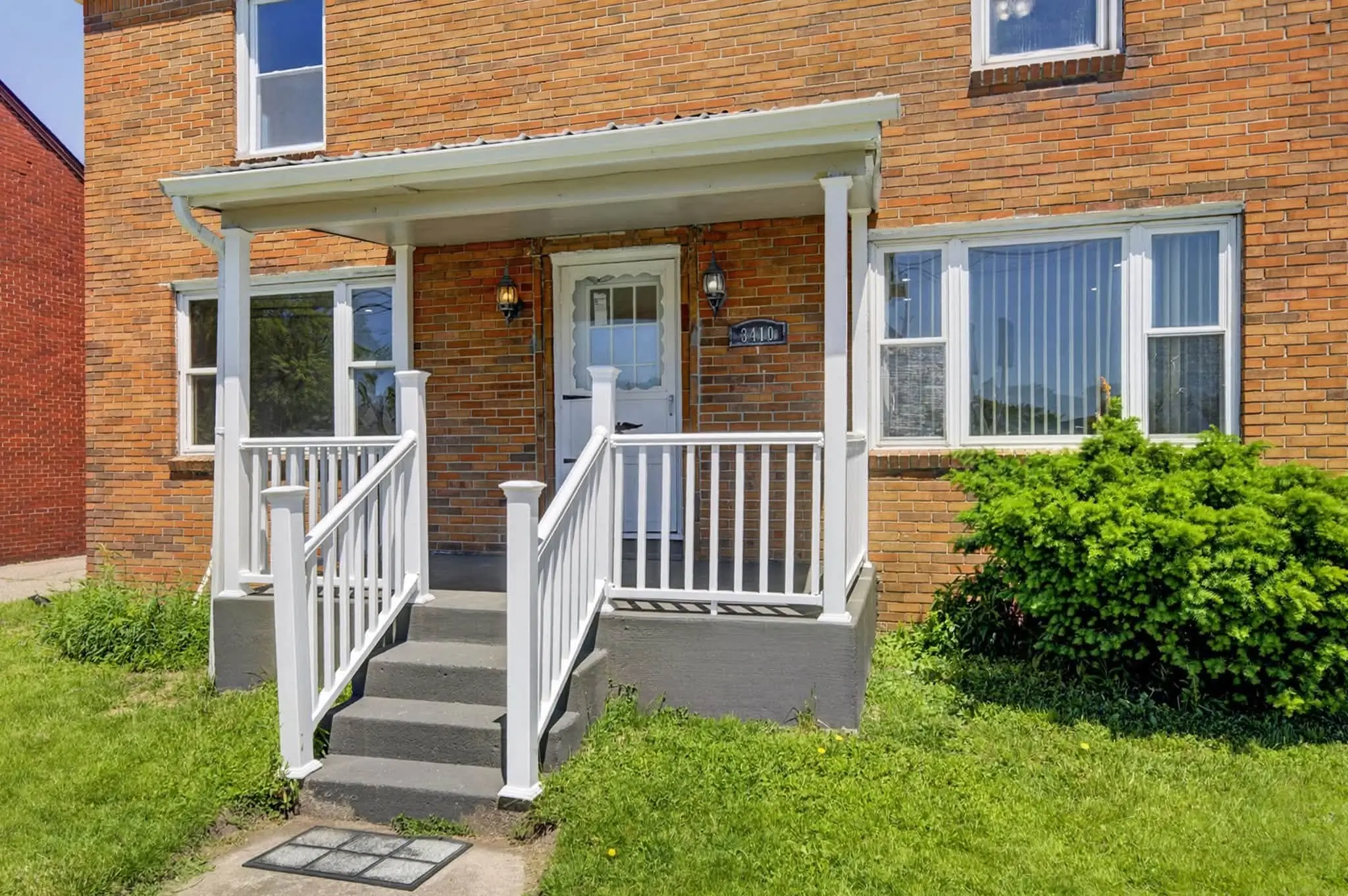
The owner may control the full building, but source repair, restoration and reconstruction still require separate scopes. We identify what must be stabilized now and what can wait for a plumber, roofer, electrician or repair contractor.
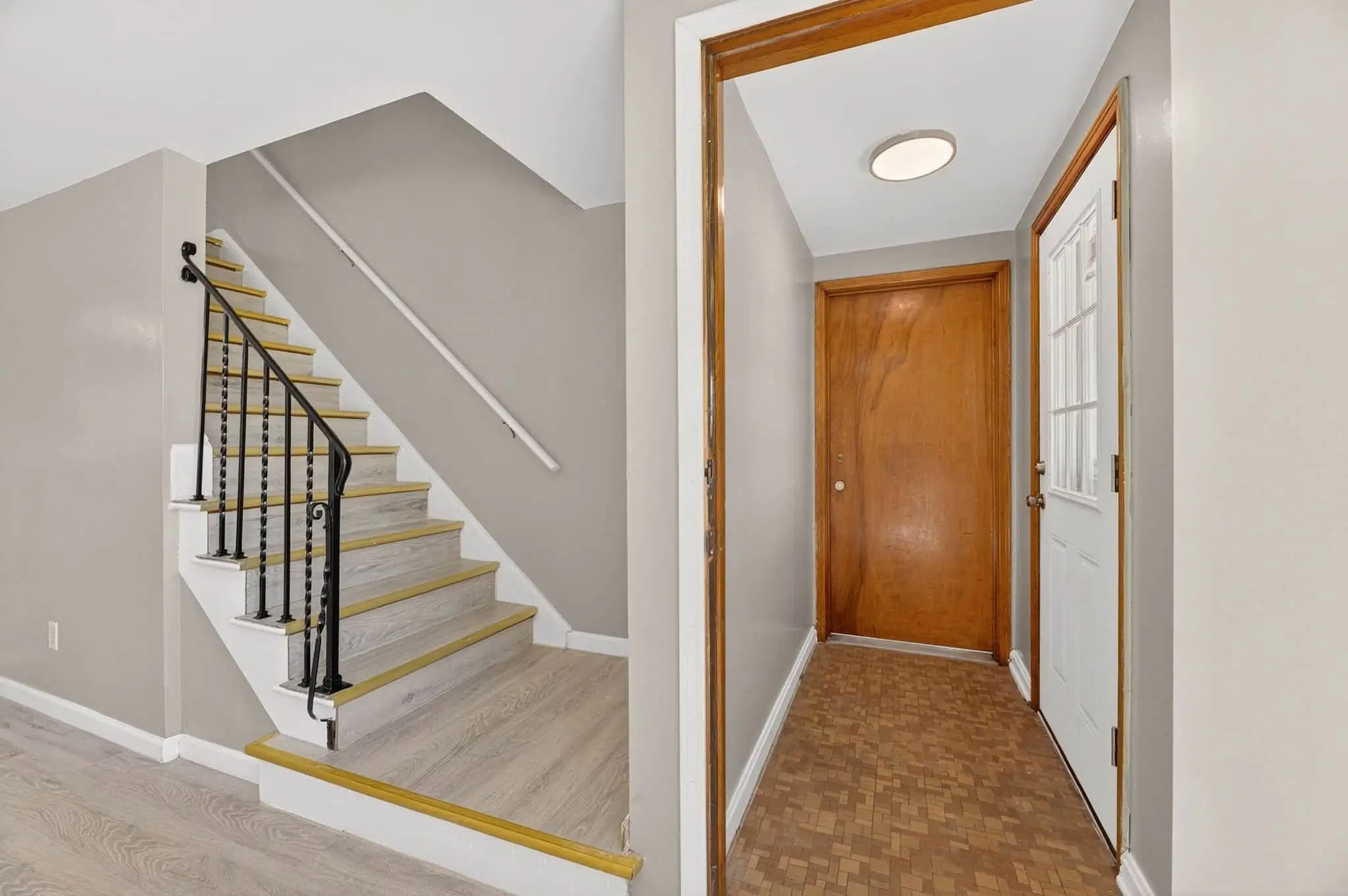
Multifamily Walk-Ups and Apartment Buildings
A leak may affect the source unit, the ceiling below, a common hallway or several stacked apartments. Access, shutoff control and authorization may involve the tenant, landlord, superintendent and property manager.
We document the affected units separately so responsibility and work boundaries remain clear.
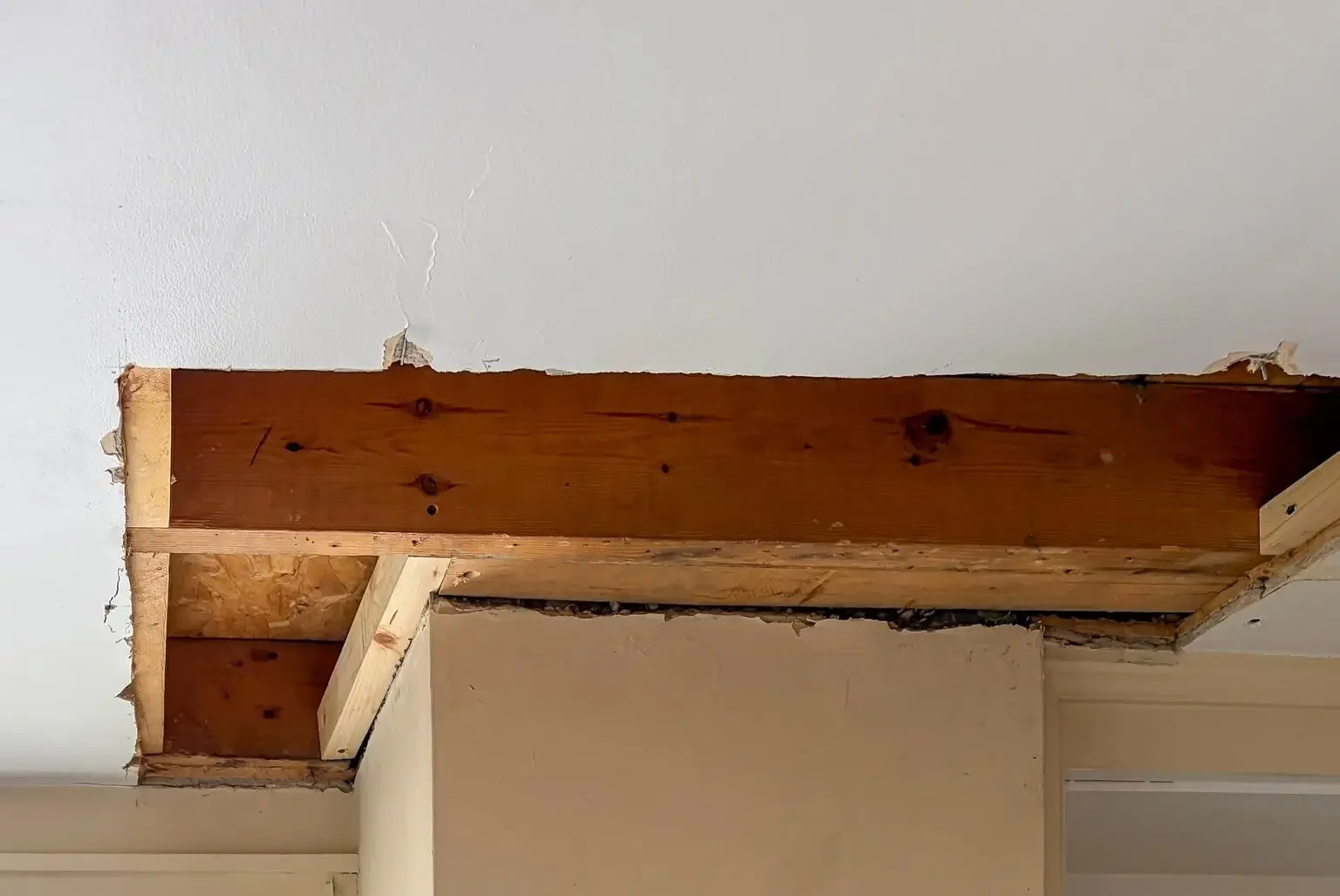
Condos and Co-ops
The unit owner, building management and board may each control different materials or building systems. We separate unit-level damage from possible common-element damage and provide information that can be shared with management.
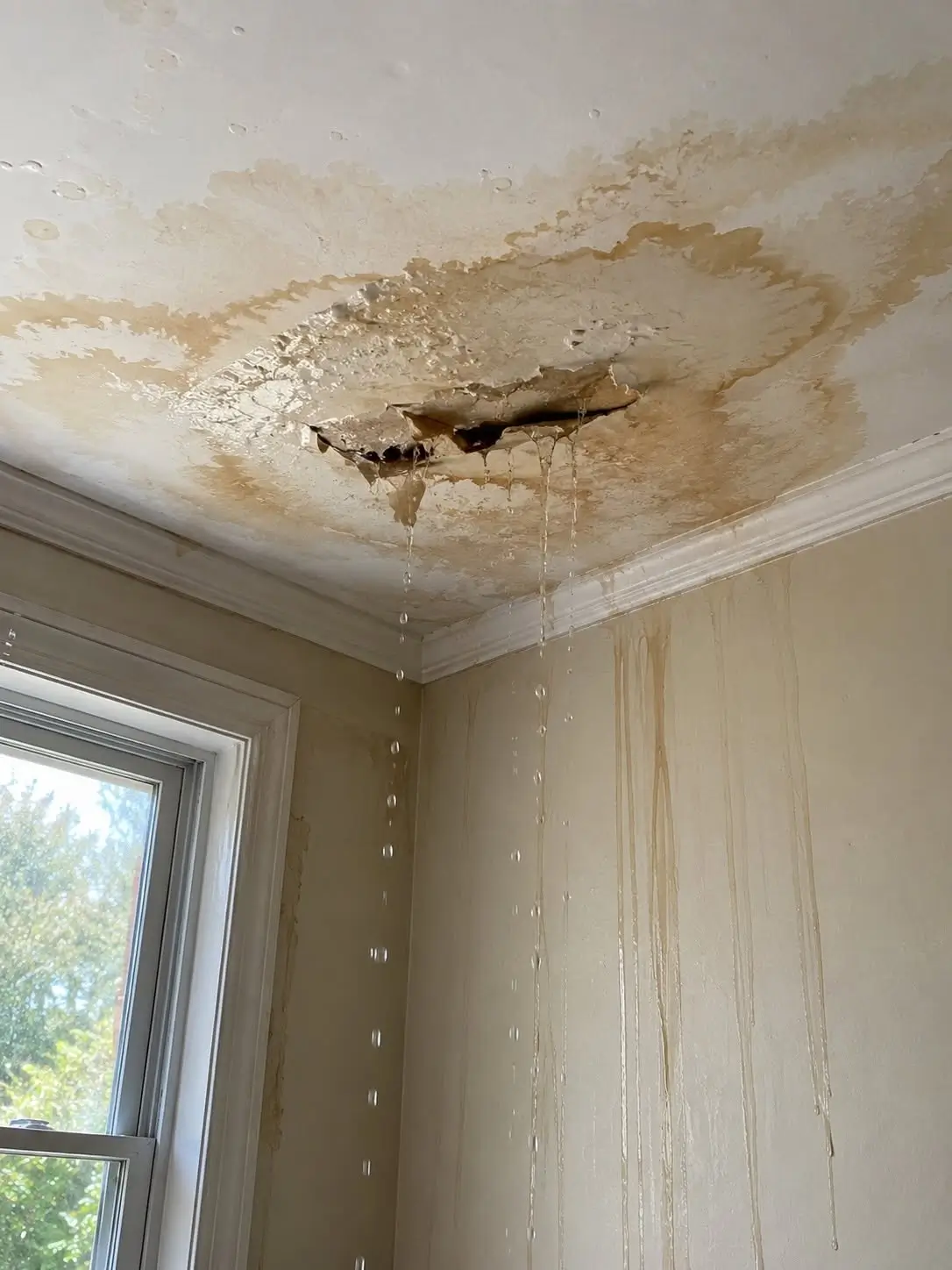
Basements, Cellars and Garden-Level Spaces
Below-grade spaces may be affected by plumbing failures, drainage problems, groundwater, surface water or sewer conditions. Because the source changes sanitation and insurance decisions, “basement flooding” is not treated as a single loss type.
For storm or coastal exposure, property owners can also check the address using the official NYC flood map.
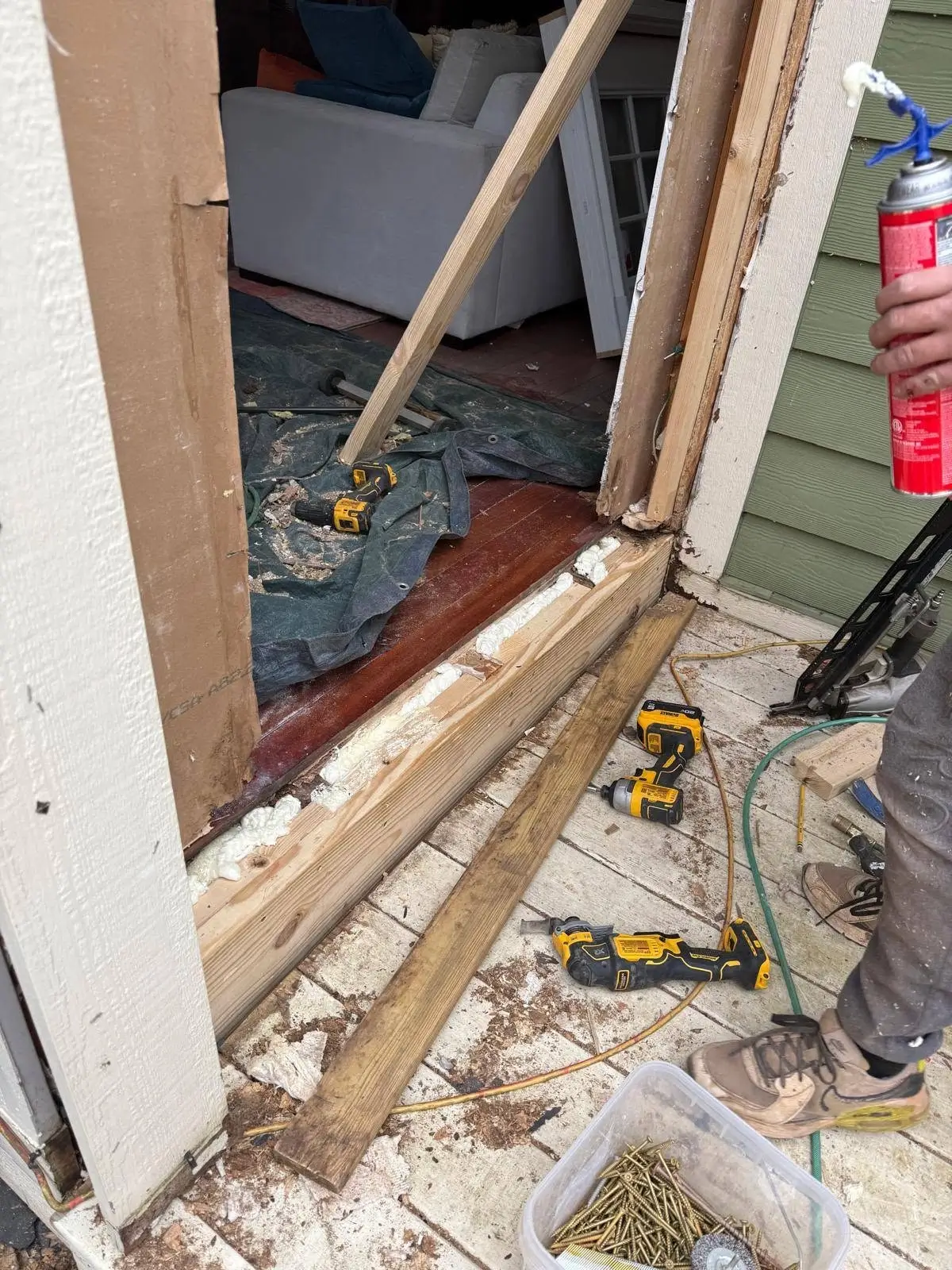
Mixed-Use and Commercial Properties
A water loss can affect a residence above a store, building utilities, inventory, tenant access or normal business operations. The initial scope prioritizes safety, water control, affected-area separation and a practical route to reopening.
From Damage Assessment to Final Repair
Water damage restoration follows a loss lifecycle. Each stage must answer a different decision.
1. Call Triage
We confirm the Brooklyn address, property type, visible condition, known source, affected floors, access requirements and whether water is still entering.
We also explain immediate steps that can be taken without entering contaminated water or approaching electrical hazards.
2. On-Site Damage Assessment
The inspection identifies the water source, affected area, material types, visible damage and possible concealed moisture.
Where accessible, readings are taken from affected materials and compared with dry or unaffected reference areas. The purpose is to map the loss, not simply photograph the wettest point.
3. Source-Repair Decision
Restoration controls the damage caused by water. It does not automatically correct the plumbing, roofing, drainage, appliance or building-envelope defect that allowed the water to enter.
When source repair is required, that work must be handled by the appropriate trade. Restoration should not continue blindly while water is still entering.
4. Stabilization and Service Selection
We explain whether the loss requires emergency stabilization, extraction, mitigation, drying, cleanup, repair or a combination of these services.
The proposed scope identifies the affected spaces, immediate work, material decisions and known exclusions before unnecessary removal begins.
5. Extraction, Cleaning and Controlled Drying
Standing water is removed where required. Affected materials are evaluated according to contamination, absorption and physical condition.
The drying environment is then managed using equipment appropriate to the volume of moisture, the materials involved and the available access. Temperature, humidity and material readings are considered together because a dry-looking surface can still cover a wet assembly.
6. Monitoring and Scope Adjustment
Conditions are rechecked as the job progresses. Equipment placement or the work scope may change when readings show that moisture is trapped behind finishes, beneath flooring or inside layered assemblies.
Any additional removal or repair requirement should be explained before it is added to the scope, except where immediate action is required to address a safety condition.
7. Completion and Repair Handoff
Drying is not complete merely because equipment has been removed.
Completion should establish:
- No remaining standing water
- No active water entry within the restoration scope
- Recorded final moisture conditions
- Cleaned or removed affected materials as specified
- Final-condition photographs
- Remaining repair items identified separately
- Work-area debris removed
- Building contact informed of the closeout condition
Repair begins only after the source and moisture conditions permit it.
Documentation, Insurance and Building Coordination
A Brooklyn water loss often involves more people than the person making the first call. Documentation helps those parties understand what happened, what was affected and what work was performed.
Depending on the inspection and approved scope, the job record may include:
- Initial-condition photographs
- Source status
- Affected rooms or units
- Materials identified as wet
- Moisture readings
- Work authorization
- Recommended service scope
- Material removal records
- Drying or monitoring notes
- Final-condition photographs
- Remaining repair requirements
- Changes approved during the job
For a tenant-occupied property, the landlord or authorized manager may need to approve structural work. A tenant can report the condition and provide access, but may not have authority to approve removal or reconstruction.
For a condo or co-op, building management may need to identify responsibility for common pipes, walls, ceilings or other shared components.
Insurance coverage is determined by the policy, cause of loss, exclusions, endorsements, deductibles and insurer review. We can document the restoration condition and work performed, but we do not decide coverage or promise claim approval.
Report the loss to the insurer promptly when a claim may be filed. Keep the claim number, adjuster contact and policyholder information available. Do not delay urgent action solely because an adjuster has not yet visited when water is continuing to damage the property.
Why Property Owners Call This Team
They Need the Correct First Service
Standing water, hidden moisture, contaminated water and damaged finishes do not require identical work. We identify the immediate service instead of selling every stage automatically.
They Need a Clear Boundary
We distinguish source repair, restoration, sanitation and reconstruction. This prevents a plumber’s repair from being mistaken for a completed dry-out or a restoration scope from being mistaken for plumbing work.
They Need Building-Specific Coordination
Brooklyn losses often cross apartments, floors or ownership boundaries. We establish the site contact, access plan and authorization path before work expands.
They Need a Defined Finish Line
The end of the job should be tied to documented conditions and remaining repair items, not an unexplained equipment pickup.
What the Service Includes and Does Not Include
Service area
Included when required and approved
Not automatically included
Initial assessment
Visible-condition review, source-status check, affected-area identification and restoration recommendation
Destructive investigation without authorization
Emergency stabilization
Immediate measures within the approved restoration scope to limit additional damage
Permanent plumbing, roofing or building-envelope repair
Water extraction
Removal of accessible standing or pooled water
Municipal drainage work or sewer-line repair
Moisture assessment
Accessible material readings and affected-area mapping
Engineering analysis, laboratory testing or invasive inspection outside the scope
Mitigation
Protection of unaffected areas, accessible content movement and selective material removal where required
Whole-property contents packing unless specifically quoted
Structural drying
Controlled drying setup and monitoring appropriate to the approved scope
Indefinite equipment operation where access or source conditions prevent progress
Cleaning and sanitation
Cleaning procedures appropriate to the source and affected materials
Specialized hazardous-material removal outside the restoration scope
Documentation
Available photographs, readings, work notes and scope records
Insurance coverage decisions or claim approval
Building coordination
Communication with the authorized tenant, owner, landlord, super or property manager
Legal decisions about liability between parties
Repair
Separately approved replacement of specified damaged materials
Unrelated remodeling, upgrades or hidden damage not identified in the repair scope
Source correction
Identification that outside trade work is required
Plumbing, electrical, roofing, appliance or structural repair unless separately contracted
Mold-related conditions
Reporting visible or suspected conditions and recommending the appropriate next step
Testing, assessment or regulated remediation unless lawfully included under a separate scope
All work remains dependent on inspection, access, authorization, contamination level and the physical condition of the affected materials.
Why Choose Us
1. NYC Coverage With a Brooklyn-Specific Service Path
Water Damage Restoration NYC serves properties across New York City, while this page and its supporting services are structured specifically around Brooklyn losses, property types and building coordination.
2. A 1–2 Hour Brooklyn Arrival Target
Our Brooklyn dispatch target is 1–2 hours. Actual arrival depends on the property location, access, traffic, active call volume and site conditions. You receive the current estimate when you call.
3. The Scope Follows the Loss Lifecycle
We separate emergency response, extraction, mitigation, drying, cleanup and repair. This shows what is needed now, what follows later and what belongs to another specialist.
4. Completion Is Documented
The service is closed out through final conditions, available moisture records, photographs and a separate list of remaining repairs. Equipment removal alone is not presented as proof that the entire property has been restored.
Frequently Asked Questions
Our Brooklyn arrival target is 1–2 hours. The current estimate depends on access, traffic, dispatch conditions and how many active calls are already being handled.
Call +19172034372 and provide the address, property type, affected floor and whether water is still entering. We will explain immediate safety steps and give the available dispatch estimate.
The cost can only be established after the affected area, water source, contamination level, materials and required services are inspected.
A small clean-water loss affecting an accessible hard surface is not priced the same as water held in plaster, wood flooring, insulation or multiple apartment units. Extraction, drying, demolition and repair should be identified separately when possible.
Coverage depends on the policy and cause of loss. Sudden internal water damage may be treated differently from groundwater, surface flooding, sewer backup, long-term leakage or maintenance-related damage.
We provide restoration documentation where included in the scope, but the insurer determines coverage, deductibles and payment.
Source repair is separate from water damage restoration. A plumber, roofer, electrician, appliance technician or another qualified specialist may need to stop or permanently correct the source.
We address the resulting water, moisture, contaminated materials and restoration scope after the source is controlled.
A tenant can report the loss and request an inspection, but structural removal, equipment placement or repair may require authorization from the landlord, property manager or building owner.
When more than one unit is affected, provide the superintendent or management contact so access and responsibility can be coordinated without delaying stabilization.
Call for Service
Water is still moving even when the leak looks small. Call Water Damage Restoration NYC for a Brooklyn inspection, a current arrival estimate and a service scope based on the source, affected materials and present condition.
Emergency Service Form
Submitting the form does not guarantee an immediate response. For active water emergencies, call +19172034372.