
Basement and Cellar Flood Cleanup in Brooklyn
1–2 Hour Estimated Arrival
Full Moisture-Footprint Inspection
Salvage and Removal Decisions Before Repair
Drying Verified Before Handoff
Warning Signs in Basements and Cellars
- Water covering part or all of the basement floor
- A wet line along a foundation wall
- Dampness at the wall-floor joint
- Water beneath carpet, vinyl or laminate
- Swollen baseboards or flooring
- Soft or stained lower drywall
- Damp plaster
- Wet insulation
- Water inside storage areas or beneath shelving
- Staining around floor drains or utility penetrations
- Moisture returning after previous extraction
- Water around a boiler, electrical panel, appliances or other utilities
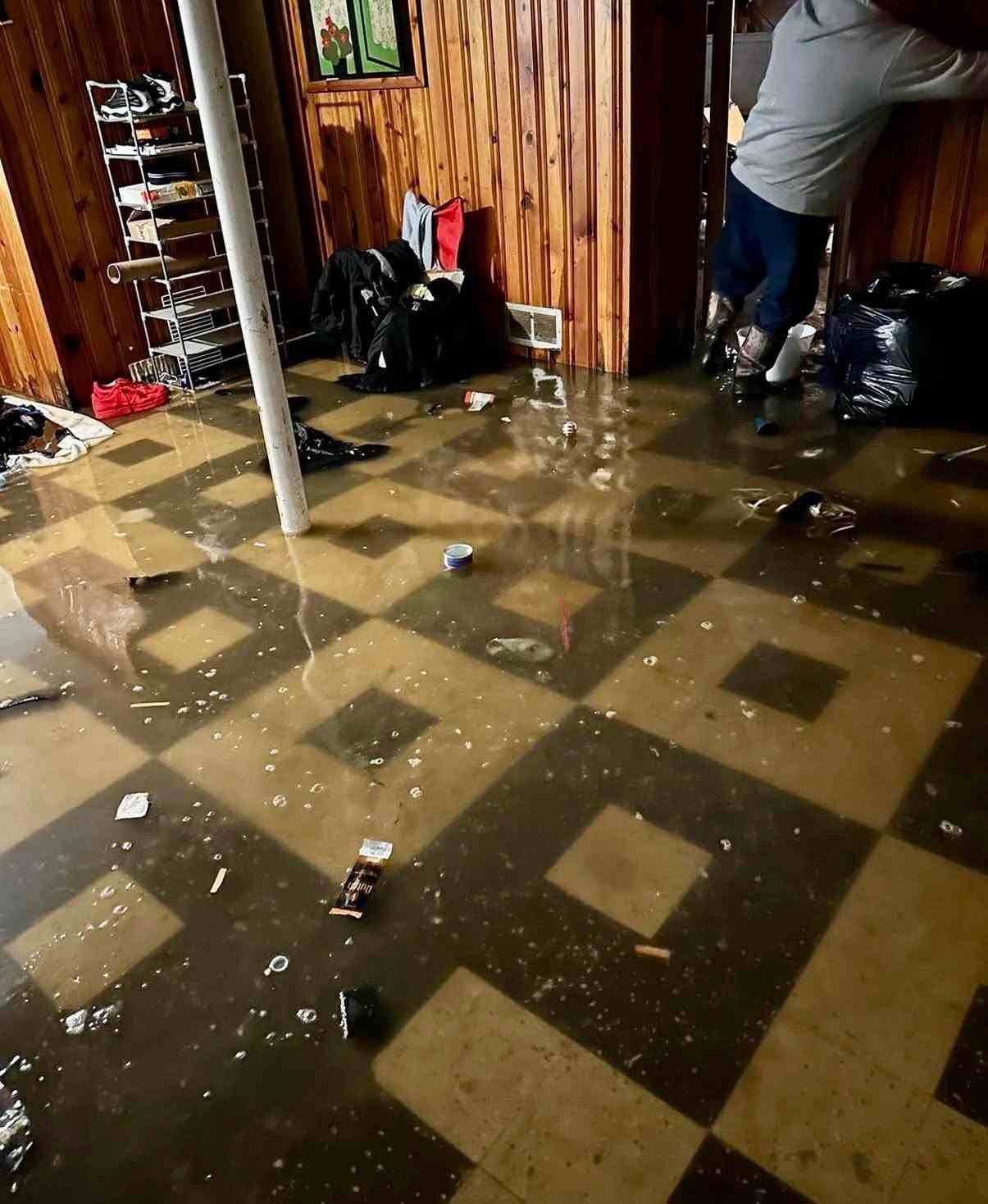
How We Inspect the Full Moisture Footprint
Accessible Areas We Inspect
- Concrete and masonry
- Finished wall bases
- Drywall and plaster
- Insulation
- Wood framing
- Carpet and padding
- Vinyl or laminate
- Subfloor systems
- Cabinets and storage
- Stairs and adjoining rooms
Can the Basements and Cellars Be Saved?
Dry-in-Place Conditions
Often, parts of a flooded basement can be retained. The decision is made material by material rather than treating everything below the waterline the same.
A material may remain when its condition, water exposure and construction allow effective cleaning and drying.
Examples can include structurally sound:
- Concrete
- Masonry
- Exposed wood framing
- Some plaster
- Certain hard flooring
- Nonporous surfaces
The material still needs to be accessible enough for moisture to leave the assembly.
Concrete and masonry can hold water well after the surface appears dry. Wood, plaster and multilayer assemblies can also retain deeply absorbed moisture and require more drying time or a different drying approach.
Removal Conditions
Removal may be required when a material:
- Has lost structural or dimensional stability
- Is swollen, delaminated or deteriorated
- Traps inaccessible moisture
- Prevents drying of the structure behind it
- Cannot be adequately cleaned
- Has contamination embedded in a porous layer
Wet carpet padding, saturated insulation, deteriorated drywall and swollen composite flooring are common examples where removal may become necessary.
The goal is selective removal, not unnecessary demolition.
Contamination Conditions
Salvage decisions become stricter when basement water has contacted sewage, groundwater, surface flooding, drain backups or contaminated materials.
Porous materials that absorbed contaminated water may not be suitable for drying in place even when they still look physically intact.
Hard surfaces may be suitable for cleaning and drying depending on the actual water condition and material.
Salvage Boundary
Salvage, removal and contamination decisions are made before repair so suitable materials can be retained while damaged or inaccessible materials are addressed selectively.
Source Repair Remains Separate From Interior Restoration
Who May Be Needed
- Plumbing repair
- Sump-pump correction
- Foundation or waterproofing work
- Drainage correction
- Other source-specific trade work
Water Damage Restoration NYC Focus
- Standing-water extraction
- Water-condition evaluation
- Moisture-footprint inspection
- Flooring and wall assessment
- Salvage-versus-removal decisions
- Selective wet-material removal
- Cleaning where required
- Structural drying and monitoring
- Moisture and photo documentation
- Interior repair handoff
Drying and Restoration Method for Basements and Cellars
1. Establish Safe Access and the Water Source
Before cleanup begins, we identify active water entry and any electrical, structural or contamination concerns that affect access.
The underlying source may require a plumber, sump-pump professional, foundation contractor, waterproofing specialist or another trade.
2. Remove Standing Water
Accessible water is extracted according to site conditions.
Deep floodwater requires additional caution when groundwater pressure remains high outside the foundation.
3. Separate Salvageable and Non-Salvageable Materials
Flooring, wall finishes, insulation and contents are evaluated according to water condition, physical damage and drying access.
Materials do not come out solely because they became wet.
4. Clean the Affected Area Where Required
Cleaning requirements follow the water source.
Floodwater, sewage exposure and other contaminated conditions require a different treatment decision from an uncontaminated internal water release.
5. Dry the Structure, Not Just the Room Air
The target is the moisture retained in the building materials.
Drying may involve concrete, masonry, wall framing, subflooring, plaster and other materials long after standing water is gone.
6. Verify the Drying Condition
Moisture readings are compared during the drying period rather than relying on appearance or touch alone.
The area moves to repair when retained materials reach the established drying condition and the remaining repair boundaries are clear.
When Repair or Replacement Is Required
Repair begins after the moisture problem has been defined and the retained structure has been dried.
Repair may then involve flooring, wallboard, plaster, trim, paint or other finishes.
Permanent foundation waterproofing, drain correction, sump-system work or plumbing repair remains separate from the interior restoration scope.
Basement Material Repair and Replacement Decisions
Concrete
Masonry
Wood framing
Drywall
Plaster
Insulation
Carpet
Carpet padding
Laminate
Baseboards
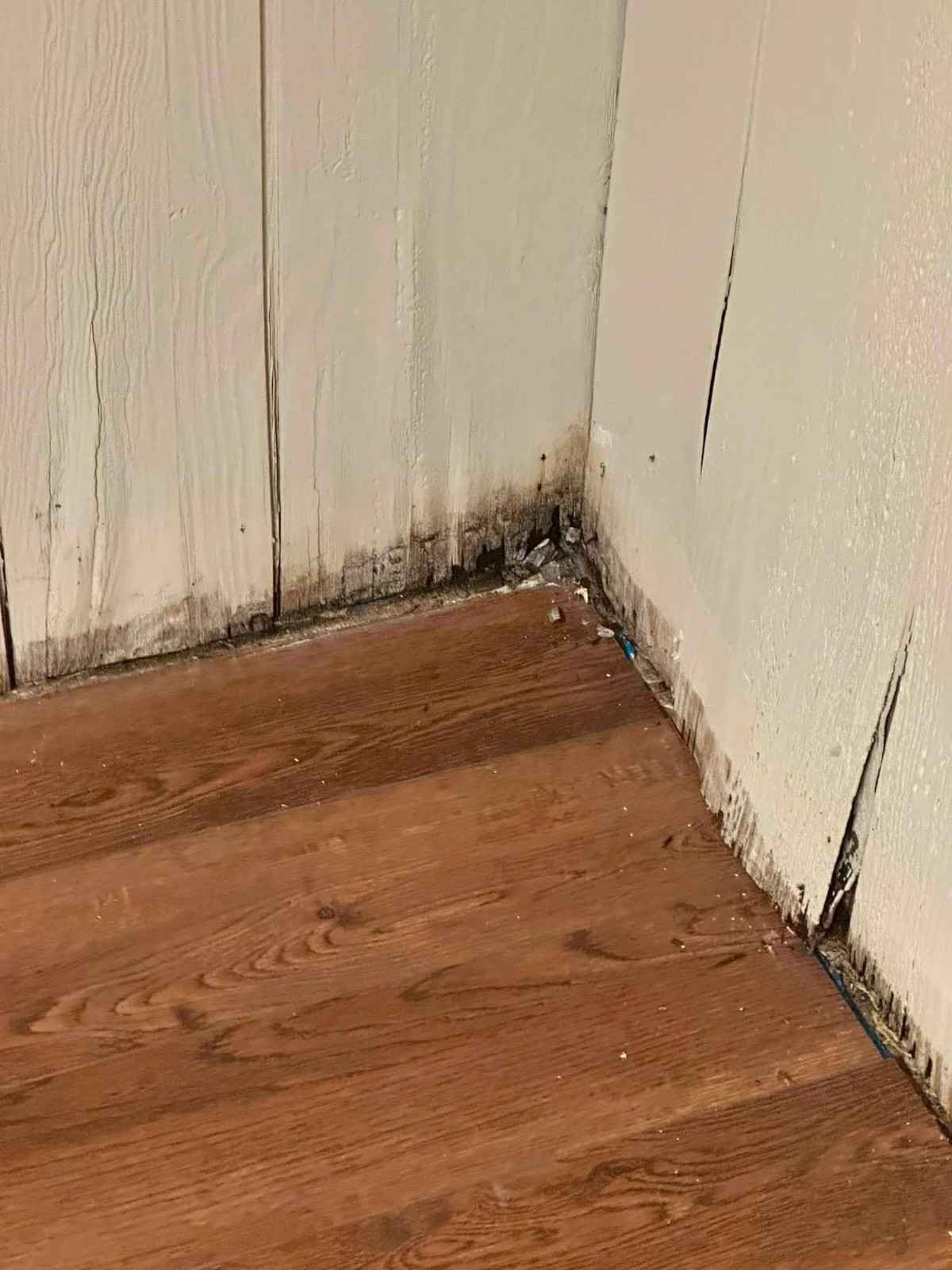
A Brooklyn Basements and Cellars Project
Causes That Commonly Damage This Area
Heavy rain and stormwater: Water can enter through below-grade stairs, doors, foundation openings and drainage routes during intense rainfall. NYC specifically identifies basement and cellar spaces as areas requiring additional flood planning.
Foundation seepage and groundwater: Saturated soil can drive moisture through cracks, masonry and wall-floor joints.
Sump-pump failure: A failed or overwhelmed drainage system can allow groundwater to rise across the basement floor.
Sewage or drain backup: Water entering through a waste or drain system changes the contamination and salvage decision.
Burst or leaking pipes: Internal plumbing can release water into finished basement walls, ceilings or floors without outside flooding.
The source-specific repair belongs to the appropriate cause or trade. This page focuses on restoring the basement or cellar materials affected by that water.
Source Types
- Heavy rain and stormwater
- Foundation seepage and groundwater
- Sump-pump failure
- Sewage or drain backup
- Burst or leaking pipes
What the Service Includes and Does Not Include
Basement and Cellar Flood Cleanup Can Include
- Water-damage assessment
- Standing-water extraction
- Water-condition evaluation
- Moisture-footprint inspection
- Flooring and wall assessment
- Salvage-versus-removal decisions
- Selective wet-material removal
- Cleaning where required
- Structural drying and monitoring
- Moisture and photo documentation
- Interior repair handoff
Not Automatically Included
- Plumbing-source repair
- Permanent foundation waterproofing
- Sump-pump replacement
- Exterior drainage construction
- Structural engineering
- Electrical system clearance
- Lead or asbestos testing
- Unrelated mold remediation
- Major reconstruction
- Insurance coverage decisions
- Work outside the confirmed affected area
Final scope depends on the source, water depth, contamination, materials, hidden moisture, utility conditions and building access.
Why Choose Water Damage Restoration NYC?
We Make the Salvage Decision Before the Repair Decision
Water Damage Restoration NYC determines whether affected basement materials can be cleaned and dried before replacement work begins.
We Inspect Below the Visible Waterline
Finished walls, flooring layers, insulation and concrete can remain wet after standing water disappears. Our scope follows the moisture footprint rather than the former puddle.
We Separate Restoration From Source Repair
Plumbing, waterproofing, foundation and sump-system correction remain with the appropriate trade. Our work focuses on the water-damaged basement or cellar and the materials inside it.
Drying Is Verified Before Handoff
Water Damage Restoration NYC provides restoration services across NYC, while this service is specifically structured for flooded basements and cellars in Brooklyn homes, multifamily properties and commercial spaces.
Our estimated Brooklyn arrival is 1–2 hours, subject to traffic, weather, street flooding, parking, building access and current service demand.
Frequently Asked Questions
Yes, many basement materials can be retained when they remain structurally sound, the water condition permits cleaning and the moisture can be effectively removed. The decision is made separately for concrete, masonry, framing, wall finishes, flooring and contents.
We inspect beyond visible water using moisture readings and the construction of the basement to trace likely migration. Wall bases, flooring transitions, finished walls, insulation, subfloors, concrete and masonry may require additional attention.
Removal is generally considered when a material is contaminated, physically damaged, unstable or prevents effective drying of the assembly behind it. Saturated insulation, damaged drywall, carpet padding and swollen composite materials are common examples.
There is no single drying time for every flooded basement. Water depth, concrete or masonry absorption, finished wall construction, flooring layers, contamination, continued seepage and the amount of material affected all influence the drying period.
Repairs can include replacement of removed drywall, insulation, flooring, baseboards, plaster sections and other finishes after the retained structure is sufficiently dry. Permanent source correction such as waterproofing, plumbing or sump work is handled separately.