
Foundation Seepage and Groundwater Cleanup in Brooklyn
1–2 Hour Estimated Arrival
Groundwater Source Assessment
Basement Wall and Floor Moisture Mapping
Documented Drying and Repair Handoff
Immediate Actions After Foundation Seepage
- Do not enter deep standing water. Basement water may contain contaminants, concealed debris or electrical hazards.
- Stay away from electrical equipment. Do not touch outlets, panels, pumps, appliances or extension cords while standing in water.
- Watch for structural warning signs. Leave the area if foundation walls are bulging, newly cracked, displaced or otherwise appear unstable.
- Move dry contents higher when safe. Protect boxes, documents, furniture, electronics and stored inventory before seepage reaches them.
- Do not rapidly pump out a deeply flooded basement. When groundwater remains high outside the foundation, removing interior water too quickly can create a damaging pressure difference across foundation walls.
- Photograph the water entry pattern. Wall staining, floor cracks, the wall-floor joint and exterior weather conditions can help distinguish groundwater seepage from plumbing or drain failures.
- Call Water Damage Restoration NYC for the active water-damage scope. Permanent drainage, structural or waterproofing correction is handled separately by the appropriate specialist.
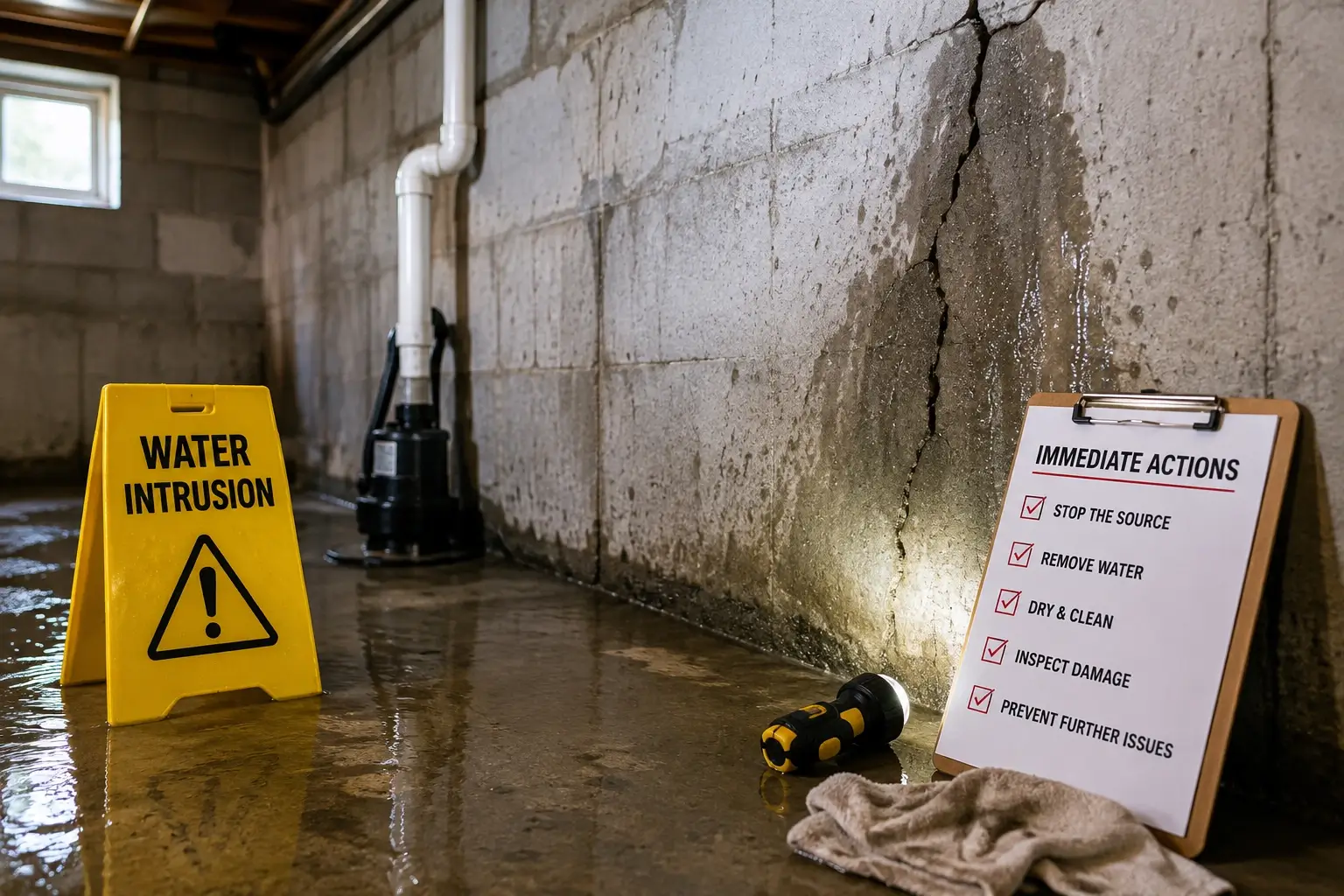
How Below-Grade Seepage or Groundwater Intrusion Causes Water Damage
Water May Enter Through:
- Foundation-wall cracks
- Masonry joints
- Wall-floor intersections
- Slab cracks
- Utility penetrations
- Below-grade doors or openings
- Porous masonry
- Floor-drain conditions
- Failed waterproofing systems
- Areas where exterior drainage directs water toward the building
Where the Water Usually Travels
First Affected Area
Foundation seepage often first appears at the lowest or most vulnerable portion of the basement.
We check:
- Wall-floor joints
- Foundation cracks
- Masonry joints
- Slab edges
- Floor drains
- Utility penetrations
- Finished wall bases
- Flooring edges
- Sump areas where present
- Stored contents along exterior walls
A damp line at the base of one wall may represent a broader moisture condition within the wall, slab edge or flooring assembly.
Hidden Cavities
Finished basements can hide the extent of groundwater intrusion.
Water may remain behind:
- Drywall
- Plaster
- Paneling
- Furring strips
- Insulation
- Baseboards
- Finished flooring
- Raised subfloors
- Cabinets
- Framed walls built against masonry
Water can also move laterally behind wall finishes before it becomes visible in another part of the basement.
Floor Below
A basement or cellar is commonly the lowest occupied level, so the relevant “floor below” may actually be the slab and assemblies beneath the finished surface.
We may inspect:
- Flooring underlayment
- Raised subfloors
- Slab cracks
- Utility trenches
- Sump pits
- Mechanical pits
- Sub-basement areas where present
Moisture below a finished floor can remain after surface puddles disappear.
Adjacent Rooms
Groundwater can spread from one foundation wall into:
- Basement apartments
- Storage areas
- Laundry rooms
- Mechanical rooms
- Hallways
- Finished recreation areas
- Ground-floor commercial storage
- Closets beside exterior walls
Water Damage Restoration NYC follows the confirmed moisture boundary rather than assuming the loss ends at the visible entry point.
Who Repairs the Source and Who Restores the Damage?
What Foundation / Drainage Specialists Handle
- Foundation crack repair
- Exterior waterproofing
- Interior drainage systems
- Site grading
- Drainage improvements
- Foundation-wall repairs
- Sump-system changes
- Waterproof membrane work
- Structural evaluation when movement or damage is suspected
What Water Damage Restoration NYC Handles
- Basement water assessment
- Standing-water extraction
- Water-condition assessment
- Moisture mapping
- Contents protection
- Wall and flooring inspection
- Selective wet-material removal
- Cleaning where required
- Structural drying
- Moisture monitoring
- Damage documentation
- Interior repair planning
Restoration Plan: Separate Active Extraction and Drying From Long-Term Waterproofing
1. Identify the Active Water Route
We determine where water is entering and whether the condition is still active.
Wall staining, floor patterns, recent weather, foundation openings and drainage conditions help define the source-to-damage path.
2. Assess the Water Condition
Groundwater that has contacted soil, drains, unfinished masonry or contaminated surfaces may require additional cleaning and material controls.
The restoration scope is based on what the water contacted after entering the property.
3. Determine a Safe Extraction Approach
Shallow accessible water can normally move directly into extraction.
Deep basement flooding requires additional caution because external groundwater pressure may still be acting against the foundation.
4. Protect Stored Contents
Boxes, furniture, documents and other belongings are moved away from the active moisture path when practical.
Items already exposed are evaluated according to material, contamination and condition.
5. Inspect Finished Basement Assemblies
Wall and floor finishes can conceal moisture against the foundation.
We check:
- Lower drywall
- Plaster
- Insulation
- Furring and framing
- Carpet and padding
- Laminate
- Vinyl
- Subflooring
- Baseboards
- Concrete and masonry
6. Remove Materials That Cannot Remain
Wet insulation, contaminated carpet padding, deteriorated drywall and swollen composite materials may require selective removal when effective cleaning or drying is not practical.
Removal is based on the confirmed damage boundary rather than unnecessary demolition.
7. Dry Retained Materials
Concrete, masonry, wood and other dense building materials can retain moisture after their surfaces appear dry.
Drying is planned around the actual materials and moisture load rather than simply the size of the basement.
8. Verify Drying Before Interior Repair
Moisture readings are monitored before wall finishes, flooring or trim are replaced.
The final handoff identifies what has dried, what still requires repair and what source-control work remains outside the restoration scope.
Drying Handoff Before Interior Repairs
Moisture readings are monitored before wall finishes, flooring or trim are replaced.
The final handoff identifies what has dried, what still requires repair and what source-control work remains outside the restoration scope.
Materials Commonly Affected
Concrete slab
Masonry foundation wall
Drywall
Plaster
Insulation
Wood framing
Carpet and padding
Laminate
Vinyl flooring
Stored contents
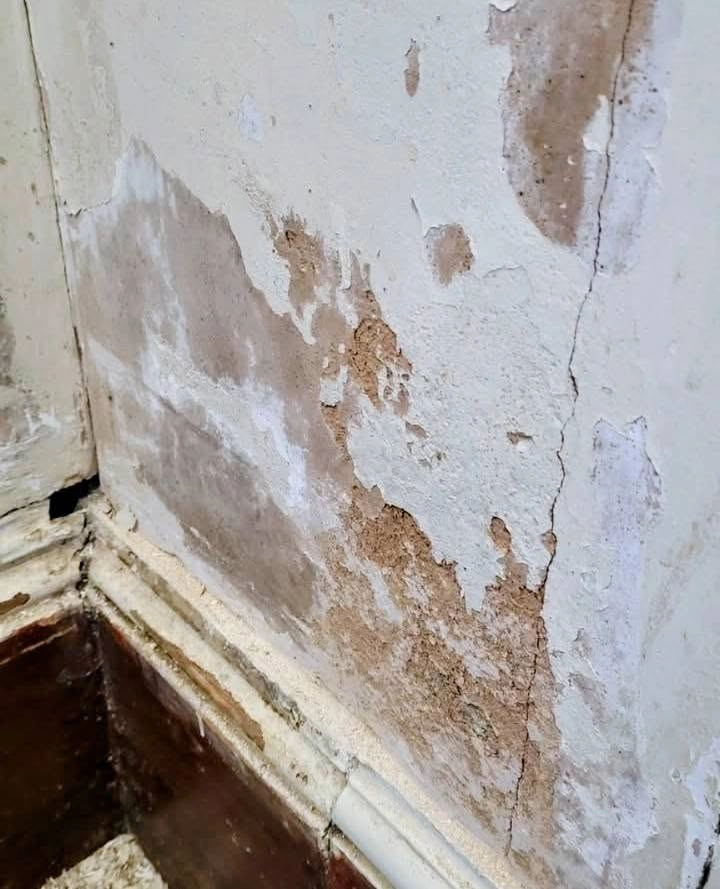
A Brooklyn Foundation Seepage Project
Insurance Documentation for This Cause
Water Damage Restoration NYC Can Document:
- Where water first appeared
- Recent weather conditions
- Foundation or slab entry areas
- Initial water depth
- Water-condition observations
- Rooms affected
- Photographs
- Moisture-reading locations
- Materials removed or retained
- Extraction work
- Drying progress
- Permanent source-repair status
- Remaining interior repairs
What the Service Includes and Does Not Include
Foundation Seepage Cleanup Can Include
- Emergency basement water assessment
- Standing-water extraction
- Groundwater-condition assessment
- Wall and slab moisture mapping
- Finished-wall inspection
- Flooring and subfloor inspection
- Contents protection
- Selective wet-material removal
- Structural drying and monitoring
- Photo and moisture documentation
Not Automatically Included
- Permanent foundation waterproofing
- Exterior excavation
- Structural foundation repair
- Site grading
- New drainage-system installation
- Sump-pump installation or repair
- Structural engineering
- Electrical system clearance
- Major reconstruction
- Insurance coverage decisions
The final scope depends on water depth, active seepage, affected materials, contamination, basement construction, accessibility and whether the groundwater source has been sufficiently controlled.
Why Choose Water Damage Restoration NYC?
We Distinguish Groundwater From Other Basement Leaks
Foundation seepage, sump-pump failure, sewer backup and an internal plumbing leak can produce similar puddles but require different cleanup and source-repair decisions.
We Inspect Behind Finished Basement Surfaces
Our scope can extend beyond visible foundation staining into flooring layers, wall bases, insulation and concealed framing when the moisture path supports it.
Waterproofing and Restoration Stay Separate
The appropriate foundation or drainage contractor handles permanent water-entry control. Water Damage Restoration NYC handles the water already inside and the materials it affected.
Drying Ends With Verification
Water Damage Restoration NYC provides restoration services across NYC, while this service is specifically focused on foundation seepage and groundwater damage in Brooklyn basements, cellars, multifamily properties, homes and commercial spaces.
Our estimated Brooklyn arrival is 1–2 hours, subject to traffic, weather, street flooding, parking, building access and current emergency demand.
Frequently Asked Questions
Stay out of deep standing water, avoid electrical equipment and call for water-damage assessment before attempting major pumping. Call Water Damage Restoration NYC at +1 (917) 203-4372 for Brooklyn service.
A foundation, waterproofing or drainage specialist normally handles permanent source correction. Water Damage Restoration NYC handles interior extraction, affected-material assessment and structural drying.
We follow the entry pattern with moisture readings and inspection of wall bases, finished wall assemblies, flooring edges, subfloors, concrete and masonry. Visible surface drying does not establish that concealed materials are dry.
Materials that are contaminated, physically deteriorated or cannot be effectively dried may require selective removal. Wet insulation, damaged drywall, carpet padding and swollen composite flooring are common examples.
Yes. Water Damage Restoration NYC can document the apparent source, water depth, affected rooms, photographs, moisture readings, material decisions, extraction, drying and remaining repairs. The insurance carrier determines coverage and payment.