HVAC and Air-Conditioner Leak Water Damage Cleanup in Brooklyn
1–2 Hour Estimated Arrival
Condensate-to-Damage Moisture Tracing
Ceiling and Mechanical-Closet Inspection
Documented Drying and Repair Handoff
Immediate Actions After HVAC and AC Leaks
- Stop operating the affected AC system if it can be switched off safely. Continuing to run a unit with a blocked condensate drain or overflowing pan can add more water.
- Keep away from wet electrical components. Do not touch the air handler, disconnect, outlet, ceiling light or other electrical equipment when water is present.
- Protect the room below. Move furniture, electronics, rugs and other dry belongings away from dripping ceilings or wet walls.
- Do not open a bulging ceiling yourself. Water may be held above the finished surface near wiring, insulation or mechanical components.
- Notify building management when applicable. Apartment, condo, co-op and mixed-use properties may require access to mechanical rooms, neighboring units or common HVAC systems.
- Call an HVAC professional for the equipment problem and Water Damage Restoration NYC for the building damage.
How Condensate, Drain-Pan or HVAC Leaks Cause Water Damage
Common Causes Include:
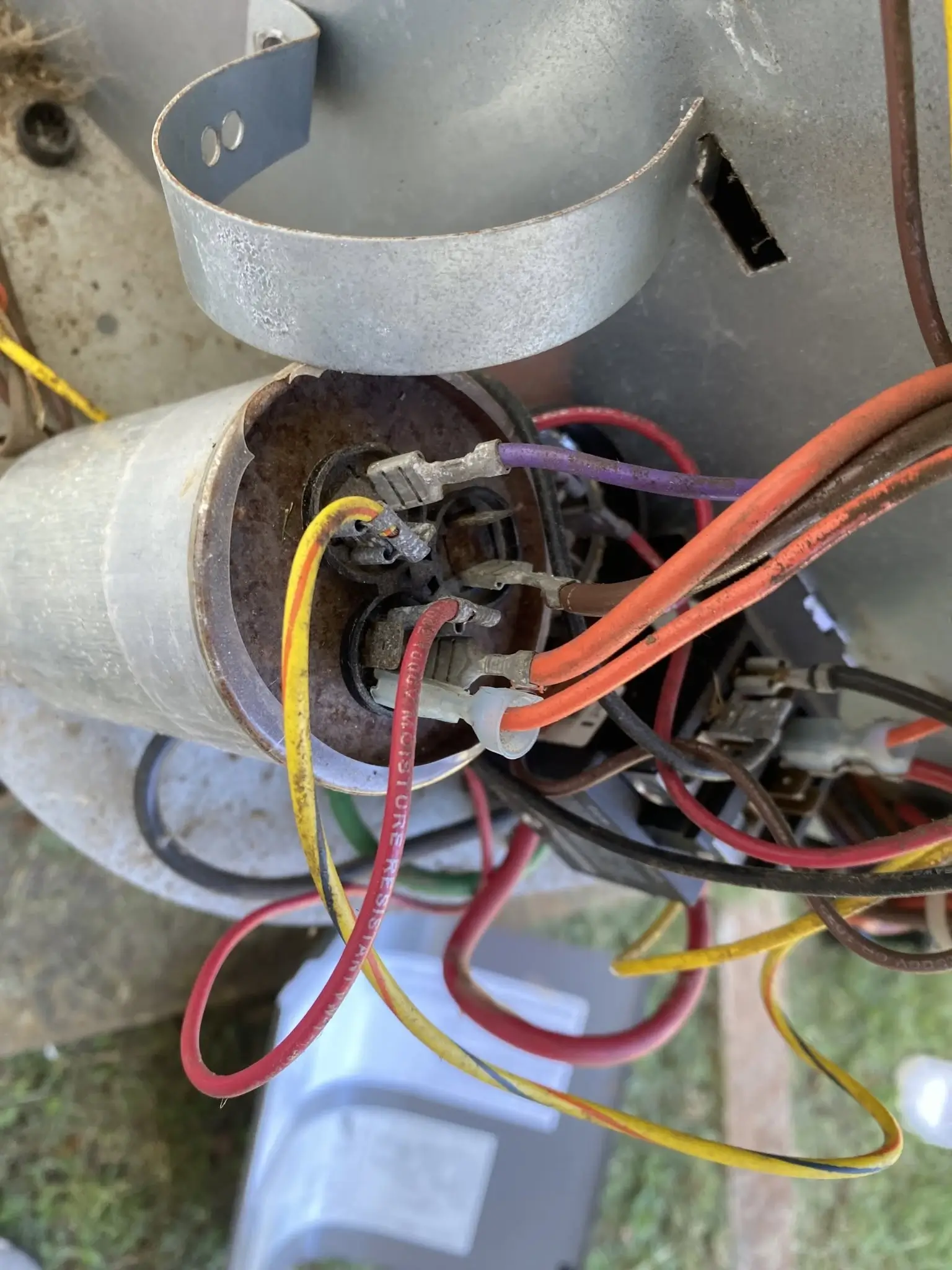
- Blocked condensate drain lines
- Overflowing primary drain pans
- Damaged or corroded drain pans
- Disconnected condensate piping
- Failed condensate pumps
- Drain-line slope or installation problems
- Frozen evaporator coils that release water when they thaw
- Condensation forming on poorly insulated ducts or pipes
- Persistent high humidity around cold HVAC surfaces
Where the Water Usually Travels
Adjacent Rooms
We check adjoining rooms when the HVAC location, ceiling construction or mechanical chase provides a realistic migration path. The moisture boundary follows the building assembly rather than the edge of the visible stain.
Floor Below
Water may pass through:
• Ceiling cavities
• Pipe and duct penetrations
• Framing openings
• Wall intersections
• Light-fixture openings
• Continuous chases
A small AC condensate leak upstairs can therefore become ceiling damage in another apartment, office or commercial space.
Hidden Cavities
• Ceiling insulation
• Drywall or plaster
• Wall cavities
• Framing
• Mechanical chases
• Cabinetry
• Duct insulation
• Flooring layers
• Subflooring
Moisture can also recur when condensation repeatedly forms on an inadequately insulated duct, refrigerant line or other cold surface.
EPA guidance specifically identifies cooling coils, condensate pans and wet insulation near HVAC equipment as moisture areas requiring attention. Standing water or debris in the pan indicates a condition that should be corrected rather than allowed to continue.
First Affected Area
Depending on the system, this can include:
• Mechanical closet floor
• Drain pan
• Condensate line
• Air-handler platform
• Ceiling beneath the unit
• Wall below the drain connection
• Nearby ductwork
• Flooring around the equipment
A ceiling stain may be the first symptom even when the water originated several feet away at the air handler.
Who Repairs the Source and Who Restores the Damage?
What the HVAC Professional Handles
- Clearing the condensate line
- Repairing or replacing a drain pan
- Repairing the condensate pump
- Correcting a drain connection
- Addressing a frozen evaporator coil
- Repairing insulation around cold components
- Correcting recurring condensation
- Testing normal condensate drainage
What Water Damage Restoration NYC Handles
- Water-damage assessment
- Moisture mapping
- Accessible water removal
- Ceiling inspection
- Mechanical-closet inspection
- Insulation assessment
- Selective material removal
- Structural drying
- Drying monitoring
- Damage documentation
- Interior repair planning
Restoration Plan: Inspect Ceilings, Mechanical Closets, Insulation and Recurring Condensation
1. Confirm the HVAC Leak Is Controlled
2. Trace the Source-to-Stain Path
This is important because the source and stain may not be directly aligned.
3. Check the Mechanical Closet
4. Inspect Ceilings and Insulation
Insulation that remains saturated or cannot be effectively dried may require removal.
5. Check for Repeated Moisture
Moisture control is essential because damp materials that remain wet can support mold growth. EPA recommends keeping AC drip pans clean, keeping drain lines unobstructed and responding quickly to indoor leaks and condensation.
6. Remove Water and Unsalvageable Materials
7. Dry Retained Assemblies
Dense or multilayer assemblies can hold moisture after the exposed surface feels dry.
8. Verify the Repair Handoff
Drying Is Not the Same as Source Repair
- HVAC water source controlled
- Affected ceilings, closets, insulation and flooring assessed
- Unsuitable materials addressed
- Retained assemblies meet drying target
- Remaining ceiling, wall, flooring or paint repairs defined
Materials Commonly Affected
Ceiling drywall
Plaster
Insulation
Wood framing
Mechanical-closet flooring
Hardwood
Laminate
Cabinetry
Duct insulation
Paint and finishes
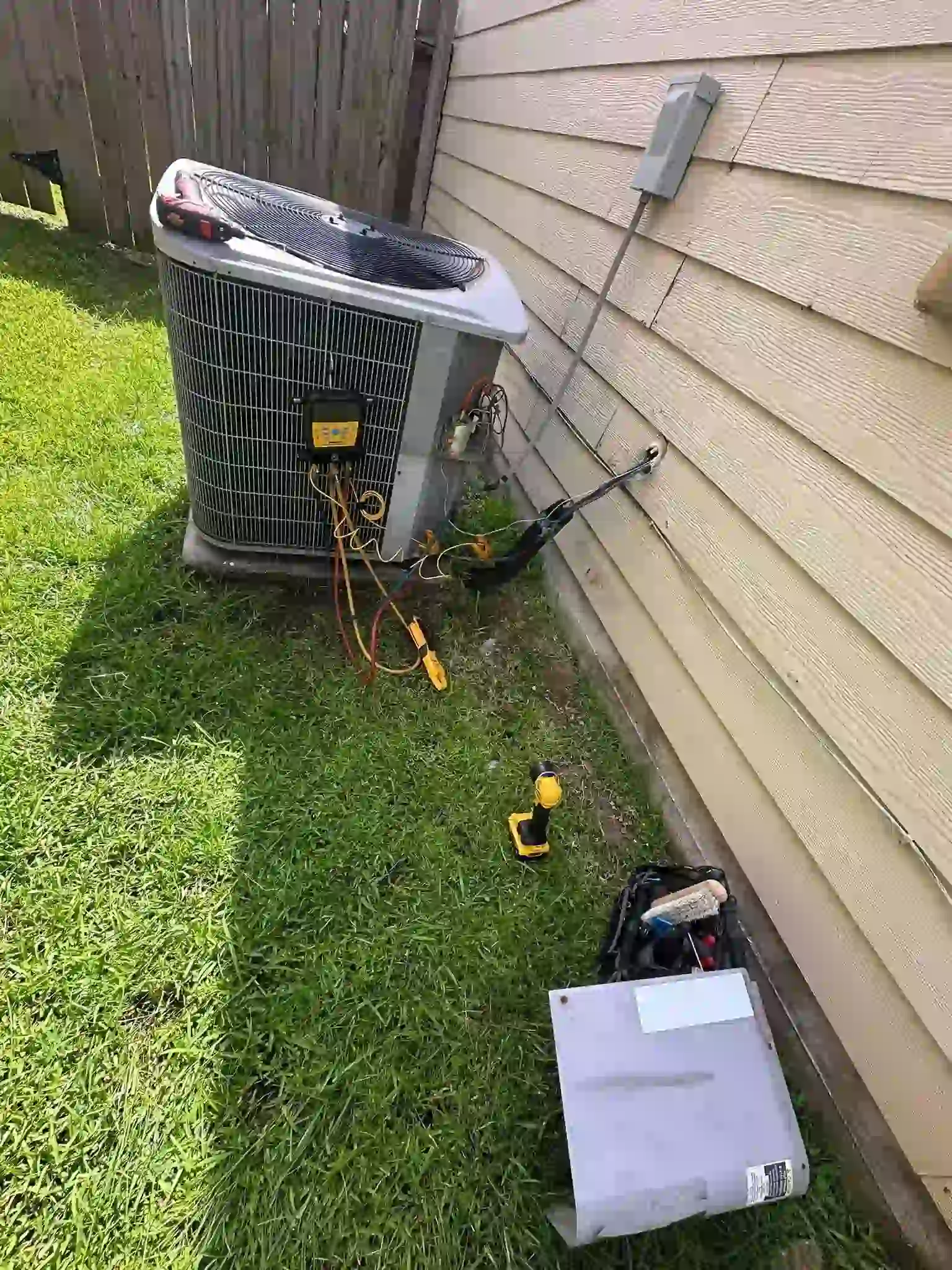
A Brooklyn HVAC and AC Leaks Project
Insurance Documentation for This Cause
Water Damage Restoration NYC Can Document:
- HVAC or AC unit location
- Reported leak history
- Apparent condensate or drain-pan source
- HVAC repair status
- Initial photographs
- Ceiling or mechanical-closet damage
- Rooms and floors inspected
- Moisture-reading locations
- Materials removed or retained
- Drying progress
- Remaining repair requirements
What the Service Includes and Does Not Include
HVAC and AC Leak Cleanup Can Include
- Water-damage assessment
- Condensate-to-damage moisture tracing
- Accessible water removal
- Mechanical-closet inspection
- Ceiling and insulation inspection
- Adjacent-room and lower-floor checks
- Selective wet-material removal
- Structural drying and monitoring
- Photo and moisture documentation
- Interior repair handoff
Not Automatically Included
- AC mechanical repair
- Refrigerant-system work
- Condensate-line repair
- Drain-pan replacement
- HVAC equipment replacement
- Electrical system clearance
- Lead or asbestos testing
- Separate mold remediation
- Major reconstruction
- Insurance coverage decisions
Why Choose Water Damage Restoration NYC?
1. We Trace the Leak Back to the HVAC System
2. We Look for Recurring Moisture
3. HVAC Repair and Water Restoration Stay Separate
4. Our Response Fits Brooklyn Buildings
Our estimated Brooklyn arrival is 1–2 hours, subject to traffic, weather, parking, building access and current emergency demand.
Frequently Asked Questions
Turn off the affected AC system when it is safe, stay away from wet electrical equipment and arrange HVAC repair plus water-damage cleanup. Call Water Damage Restoration NYC at +1 (917) 203-4372 if ceilings, walls or flooring are wet.
An HVAC professional normally handles the condensate drain, pan, pump, coil or recurring condensation problem. Water Damage Restoration NYC handles the resulting water-damaged building materials and drying.
We trace the HVAC location and condensate route using visual inspection, moisture readings and checks inside accessible ceiling, wall and mechanical-closet assemblies. Adjacent rooms and lower floors are inspected when the migration path supports it.
Materials that are physically damaged or cannot be effectively dried may require removal. Saturated insulation, deteriorated drywall, damaged ceiling tiles and swollen composite materials are common examples.
Yes. Water Damage Restoration NYC can document the reported HVAC source, photographs, moisture path, affected materials, drying progress and remaining repair requirements. Coverage decisions remain with the insurance carrier.