
WATER DAMAGE RESTORATION NYC
Sink and Bathtub Overflow Cleanup in Brooklyn
Water Damage Restoration NYC provides sink overflow cleanup in Brooklyn for overflowing sinks, bathtubs and bathroom fixtures. We remove released water, trace moisture beneath cabinets and flooring, inspect adjoining areas and begin verified drying, with an estimated 1–2 hour arrival.
- 24/7 Emergency Service
- Certified Team
- Rapid Response
- Insurance Assistance
Fixture-Overflow Response
1–2 Hour Estimated Arrival
Fixture-to-Damage Moisture Tracing
Floor and Cabinet Inspection
Documented Drying and Repair Handoff
Immediate Actions After Sink and Bathtub Overflows
Stop the water first and keep it from spreading into adjoining rooms.
- Turn off the faucet. If the fixture will not stop flowing, close the accessible fixture valve or property water supply when safe.
- Remove the drain stopper if the drain is open and functioning. Do not keep using a fixture with a blocked or backing-up drain.
- Keep towels and belongings out of the water path. Move dry rugs, toiletries, storage items and furniture before they become affected.
- Avoid electrical equipment. Do not use household vacuums, extension cords or appliances on a wet bathroom floor.
- Check outside the bathroom. Water may already have crossed the doorway or moved beneath continuous flooring.
- Look for signs below the fixture. In a multi-level property, check the ceiling below for staining or dripping without touching wet electrical fixtures.
- Arrange source repair when needed. A plumber handles the blocked drain, failed faucet, drain assembly or plumbing connection. Water Damage Restoration NYC handles the resulting property damage.
For an active Brooklyn overflow, call +1 (917) 203-4372.
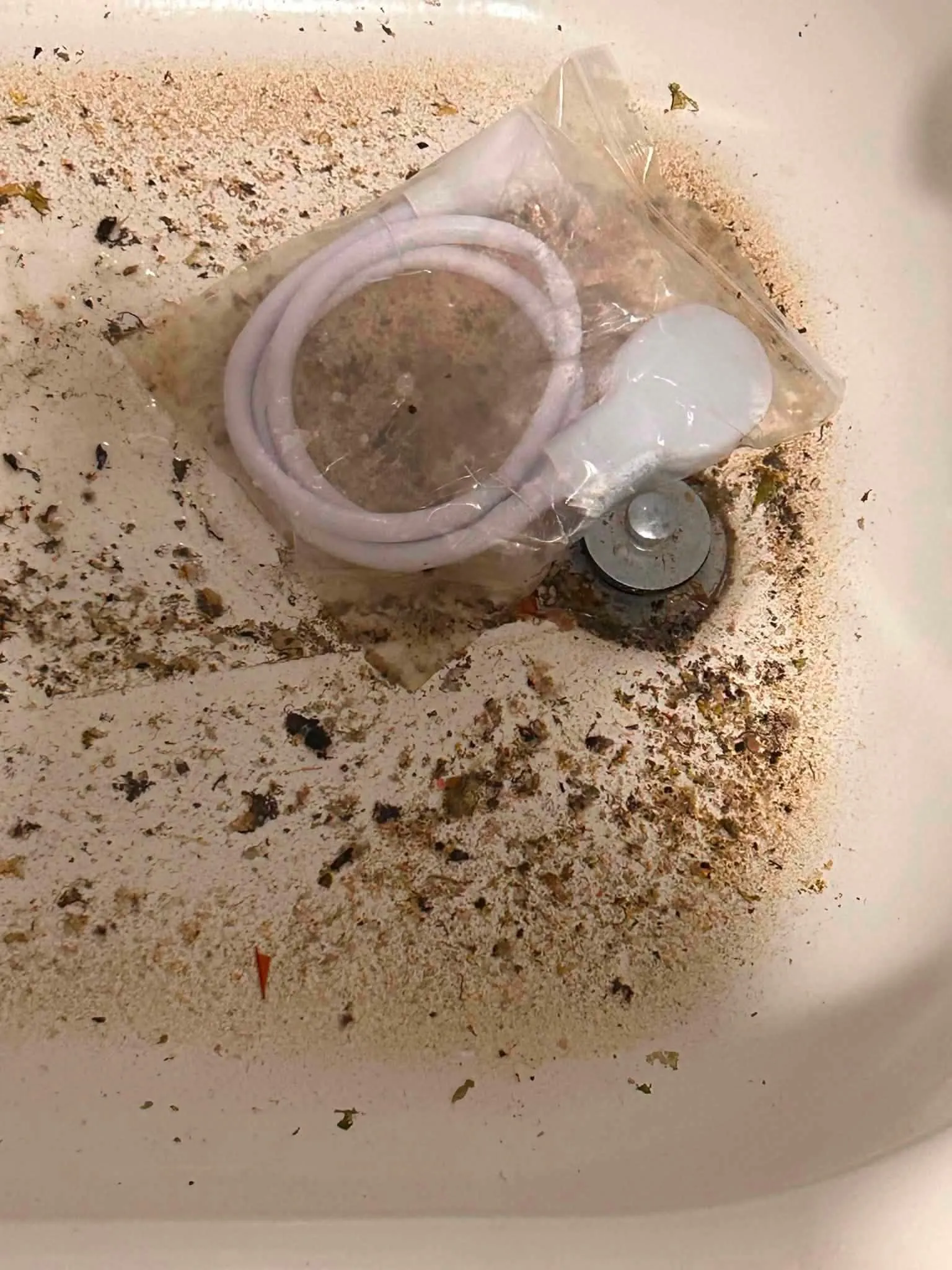
How Fixture Overflow Causes Water Damage
A sink or bathtub overflow usually begins in one of two ways: water enters the fixture faster than it can drain, or the fixture is left running long enough for water to cross the rim.
Common causes include:
- A faucet left running
- A partially or completely blocked sink drain
- A blocked bathtub drain
- A failed or ineffective overflow opening
- A closed bathtub stopper
- Hair, soap or debris restricting drainage
- A fixture or drain connection problem
- Water escaping around the fixture after the basin or tub fills
A sink or bathtub overflow involving clean supply water can begin as a lower-contamination water loss. Once that water contacts used bathwater, soap residue, dirty flooring, cabinet voids or other building materials, the actual condition of the loss must be assessed rather than assumed from the faucet alone. Water-damage classification also changes with the source, materials contacted and environmental conditions.
This is different from a toilet overflow or sewer backup. The purpose of this service is to restore damage caused by sink and bathtub fixture overflow, while drain or plumbing repair remains a separate responsibility.
Where the Water Usually Travels
Bathroom water follows seams, penetrations, floor slope and gravity. The visible puddle does not always show the full affected area.
First Affected Area
For a sink overflow, we inspect the countertop, vanity, cabinet interior, toe kick, wall base and flooring immediately around the fixture.
For a bathtub overflow, the first checks usually include:
- Tub perimeter
- Floor beside the tub
- Caulked transitions
- Tile and grout
- Baseboards
- Doorway
- Nearby vanity
- Pipe penetrations
The first wet surface establishes the starting point for the moisture inspection.
Hidden Cavities
Sink water can run behind a vanity or through openings around supply and drain piping. Bathtub water can enter wall-floor joints, flooring seams and gaps around the fixture.
Hidden moisture may be present:
- Behind vanity cabinets
- Beneath cabinet toe kicks
- Under tile or vinyl
- Beneath laminate or hardwood
- Inside underlayment
- In subflooring
- Behind baseboards
- Around wall plates
- Through plumbing penetrations
A dry surface does not automatically mean the material beneath it is dry.
Floor Below
Overflow water can move through floor penetrations, seams and framing openings before appearing on the level below.
In an apartment, brownstone or multi-story home, we may inspect the ceiling directly below the bathroom for:
- Water staining
- Dripping
- Wet plaster or drywall
- Moisture around light fixtures
- Damp wall tops
- Changes in ceiling finish
Brooklyn/Kings County had 1,141,824 housing units in 2025, while the owner-occupied housing rate was 29.5% during 2020–2024. That makes access coordination with tenants, landlords, superintendents, managers and lower-unit occupants especially relevant when bathroom water crosses between units.
Adjacent Rooms
Water can cross the bathroom threshold or move beneath continuous flooring into a hallway, closet, bedroom or adjoining room.
Our inspection follows the likely migration route rather than stopping at the room where the sink or bathtub overflow occurred.
Who Repairs the Source and Who Restores the Damage?
A plumber addresses the fixture or drain problem. Water Damage Restoration NYC restores the resulting water damage.
Plumbing Work May Include
- Clearing a sink or bathtub drain
- Repairing a faucet
- Repairing a drain assembly
- Correcting a failed overflow component
- Replacing damaged supply or waste connections
- Restoring normal fixture drainage
Water Damage Restoration NYC Focuses On
- Water-damage inspection
- Standing-water removal
- Moisture mapping
- Vanity and cabinet inspection
- Flooring and subfloor checks
- Adjacent-room inspection
- Ceiling-below inspection
- Selective material removal
- Structural drying
- Drying monitoring
- Damage documentation
- Interior repair planning
Clearing the drain does not dry a wet subfloor, and drying the bathroom does not correct a defective drain.
Restoration Plan: Trace Water Into Cabinets, Flooring, Adjacent Rooms and the Ceiling Below
1. Confirm the Overflow Has Stopped
We establish whether the faucet is off, the fixture has drained and any plumbing problem still requires professional repair.
2. Map the Visible Water Boundary
The fixture, cabinet, floor and bathroom doorway are checked first. The inspection then expands according to material construction and the direction of water movement.
3. Inspect Cabinets and Vanities
Sink overflows often enter cabinet seams, backs and toe kicks.
Composite cabinet materials can swell when water is retained, while solid wood components may remain suitable for drying depending on condition.
4. Inspect Flooring and Subflooring
Tile, grout, vinyl, hardwood and laminate can respond differently to the same overflow.
We check accessible edges and transitions to determine whether water remains beneath the finished surface.
5. Check Adjacent Rooms and the Ceiling Below
Where the water path supports it, the inspection extends across the bathroom doorway and to the level beneath the fixture.
6. Remove Accessible Water
Standing water is extracted from affected surfaces and suitable floor coverings.
Visible water removal is only the first stage.
7. Address Materials That Cannot Be Dried in Place
Wet insulation, deteriorated drywall, damaged padding or swollen composite materials may require selective removal.
Materials are evaluated according to exposure, condition and accessibility rather than removed automatically.
8. Dry and Monitor Retained Materials
Retained subflooring, framing, drywall, plaster and other assemblies are dried according to their moisture condition.
Wet materials should be dried promptly, while components that cannot be effectively cleaned and dried may require replacement.
9. Confirm the Repair Handoff
The drying stage is complete when retained materials reach the established drying condition and the remaining cabinet, flooring, wall or ceiling repairs are clearly identified.
Materials Commonly Affected
| Material | Fixture-Overflow Concern | Typical Restoration Decision |
|---|---|---|
| Vanity cabinet | Water in toe kicks, backs and seams | Dry or replace damaged components |
| Particleboard | Swelling and loss of strength | Replace affected sections |
| Tile | Water through joints or perimeter gaps | Clean and inspect supporting layers |
| Grout | Moisture movement through porous joints | Dry and assess condition |
| Vinyl | Water trapped beneath seams | Access, dry or replace |
| Laminate | Swollen fiber core | Replace affected sections where needed |
| Hardwood | Joint and subfloor moisture | Dry, monitor or repair |
| Drywall | Wet wall base or ceiling below | Dry, selectively open or replace |
| Plaster | Deeper moisture retention | Monitor and dry where stable |
| Subflooring | Hidden moisture beneath bathroom finishes | Dry and monitor when restorable |
A Brooklyn Sink and Bathtub Overflows Project
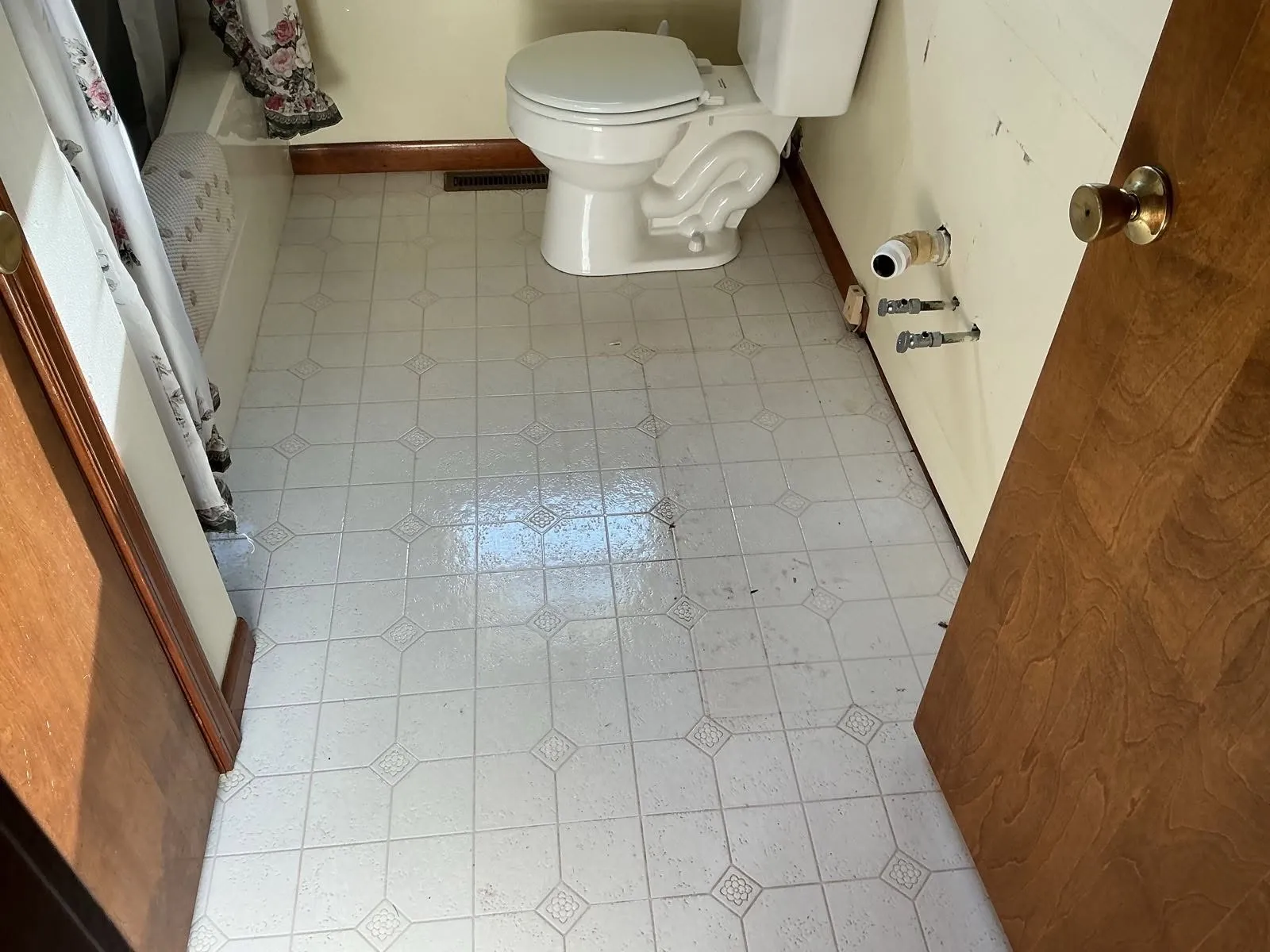
On a Brooklyn fixture-overflow project, we work outward from the sink or bathtub rather than treating the bathroom as one uniformly wet space.
With a sink overflow, the inspection begins at the basin, countertop and vanity. Moisture is then checked inside the cabinet, behind the toe kick, along the wall base and beneath nearby flooring.
With a bathtub overflow, the inspection follows the tub perimeter, bathroom floor, doorway and wall intersections. If the bathroom is above another occupied space, the ceiling below is included when the migration path indicates water may have passed through the floor assembly.
Accessible water is removed first. Wet materials are then separated into those that can remain and dry in place and those that require removal because of physical damage or inaccessible moisture.
Drying continues until retained materials meet the established target. The final scope identifies any cabinet, flooring, drywall, plaster, trim or ceiling repairs still required.
That gives the Brooklyn property owner, landlord or manager a defined restoration handoff instead of ending the job when the floor only looks dry.
Insurance Documentation for This Cause
Fixture-overflow documentation should connect the sink or bathtub event with the resulting material damage.
Water Damage Restoration NYC can document:
- Fixture involved
- Reported cause of the overflow
- Initial water boundary
- Plumbing-repair status
- Photographs
- Rooms and levels inspected
- Cabinet and flooring condition
- Moisture-reading locations
- Materials removed or retained
- Water extraction
- Drying progress
- Remaining repair requirements
Water Damage Restoration NYC documents the observed damage and work performed. The insurance carrier determines policy coverage, exclusions, deductibles, authorization and payment.
What the Service Includes and Does Not Include
Sink and Bathtub Overflow Cleanup Can Include
- ✓ Emergency water-damage assessment
- ✓ Standing-water removal
- ✓ Vanity and cabinet inspection
- ✓ Flooring and subfloor inspection
- ✓ Adjacent-room moisture checks
- ✓ Ceiling-below inspection
- ✓ Selective wet-material removal
- ✓ Structural drying and monitoring
- ✓ Photo and moisture documentation
- ✓ Interior repair-scope handoff
Not Automatically Included
- × Faucet or fixture repair
- × Drain clearing
- × Plumbing replacement
- × Bathtub replacement
- × Electrical clearance
- × Lead or asbestos testing
- × Unrelated mold remediation
- × Major reconstruction
- × Insurance coverage decisions
- × Work outside the confirmed damage boundary
Final scope depends on the fixture, amount of released water, materials affected, migration route, building access and inspection findings.
Why Choose Water Damage Restoration NYC?
We Follow Water Beyond the Fixture
A sink or bathtub may be where the overflow started, but the restoration boundary can extend into cabinets, floors, adjacent rooms or the level below.
We Separate Plumbing Repair From Restoration
The plumber fixes the drain, faucet or fixture problem. Water Damage Restoration NYC handles the resulting water damage and drying.
Drying Is Based on the Affected Material
We do not treat a dry-looking tile or vanity surface as proof that concealed materials have dried.
The Service Is Structured for Brooklyn Properties
Water Damage Restoration NYC provides water damage services across NYC, while this service is specifically focused on sink and bathtub overflow cleanup in Brooklyn apartments, brownstones, homes, multifamily buildings and commercial properties.
Our estimated Brooklyn arrival is 1–2 hours, subject to traffic, weather, parking, building access and current emergency demand.
Frequently Asked Questions
Turn off the water, stop using the fixture and move dry belongings away from the affected area. If water has spread beyond the bathroom or into another level, call Water Damage Restoration NYC at +1 (917) 203-4372.
A plumber handles the blocked drain, failed faucet, drain assembly or other fixture problem. Water Damage Restoration NYC handles the resulting water removal, moisture inspection, drying and interior restoration scope.
We follow the fixture-to-damage path using visual inspection, material moisture readings and checks at cabinet bases, flooring edges, wall intersections and adjoining areas. The ceiling below may also be inspected in multi-level properties.
Materials that are physically damaged or cannot be effectively dried in place may require removal. This can include swollen particleboard, damaged laminate, wet insulation, deteriorated drywall or affected carpet padding outside the bathroom.
Yes. We can document the fixture involved, water path, photographs, moisture readings, affected materials, drying work and remaining repair requirements. The insurance carrier makes the final coverage and payment decisions.
Call for Sink and Bathtub Overflow Cleanup in Brooklyn
Water from an overflowing sink or bathtub can move behind a vanity, beneath bathroom flooring, across a doorway and into the ceiling below before all of the damage becomes visible.
Call Water Damage Restoration NYC at +1 (917) 203-4372 or email info@waterdamagerestorationservicesnyc.com for sink and bathtub overflow cleanup in Brooklyn.
Our estimated arrival is 1–2 hours. We will identify the affected boundary, remove accessible water, inspect hidden moisture and establish the drying and repair requirements.